Common Parasites
With geographic ranges expanding, knowledge about the parasites that threaten our patients is as critical as ever. Knowing how to recognize parasitic infections, which tests to run, and what treatment and prevention options exist are important. Whether you are new to practice or a seasoned clinician, peruse this portal to brush up on your parasite know-how.
PARTNER RESOURCES

When a routine case turns into a surprising diagnosis with zoonotic implications, what’s the best plan of action? Follow Cashew’s case to learn more.

Offering top-notch veterinary care requires keeping your clinical knowledge up to date. Check out these upcoming webinars on topics from tick-borne disease prevention to pain management to sharpen your skills and earn CE while you’re at it.

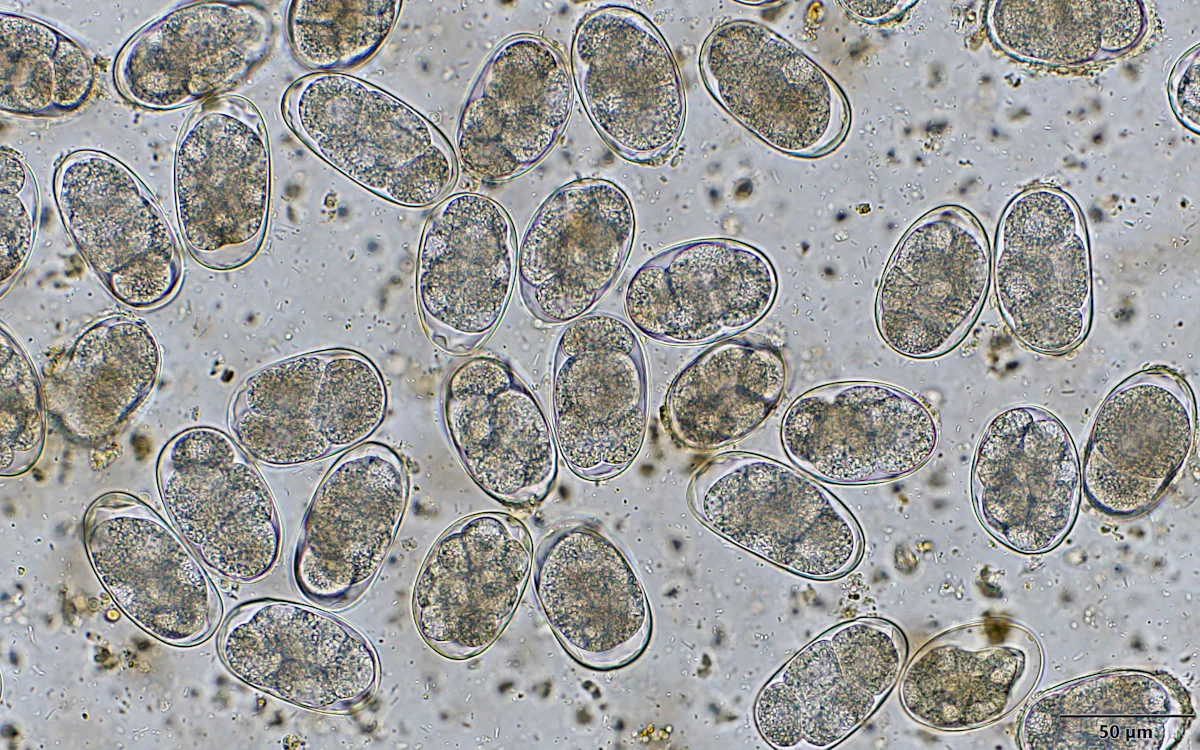
When Rascal, a 4-year-old rat terrier with a history of diarrhea, walks into your exam room, what’s your first move? Will your clinical decisions lead to the diagnosis and treatment he needs? Explore this interactive case now.

No 2 patients are the same—and neither are their tastes. This line of parasite coverage for dogs and cats is built to deliver ease and efficacy to help veterinary teams confidently fit the right product with the right client.
Explore More About Common Parasites

Lyme borreliosis continues to expand geographically, making clinical familiarity more important than ever. This article reviews current data on incidence and prevalence, pathophysiology, clinical signs, diagnostic strategies, treatment protocols, and prevention approaches.
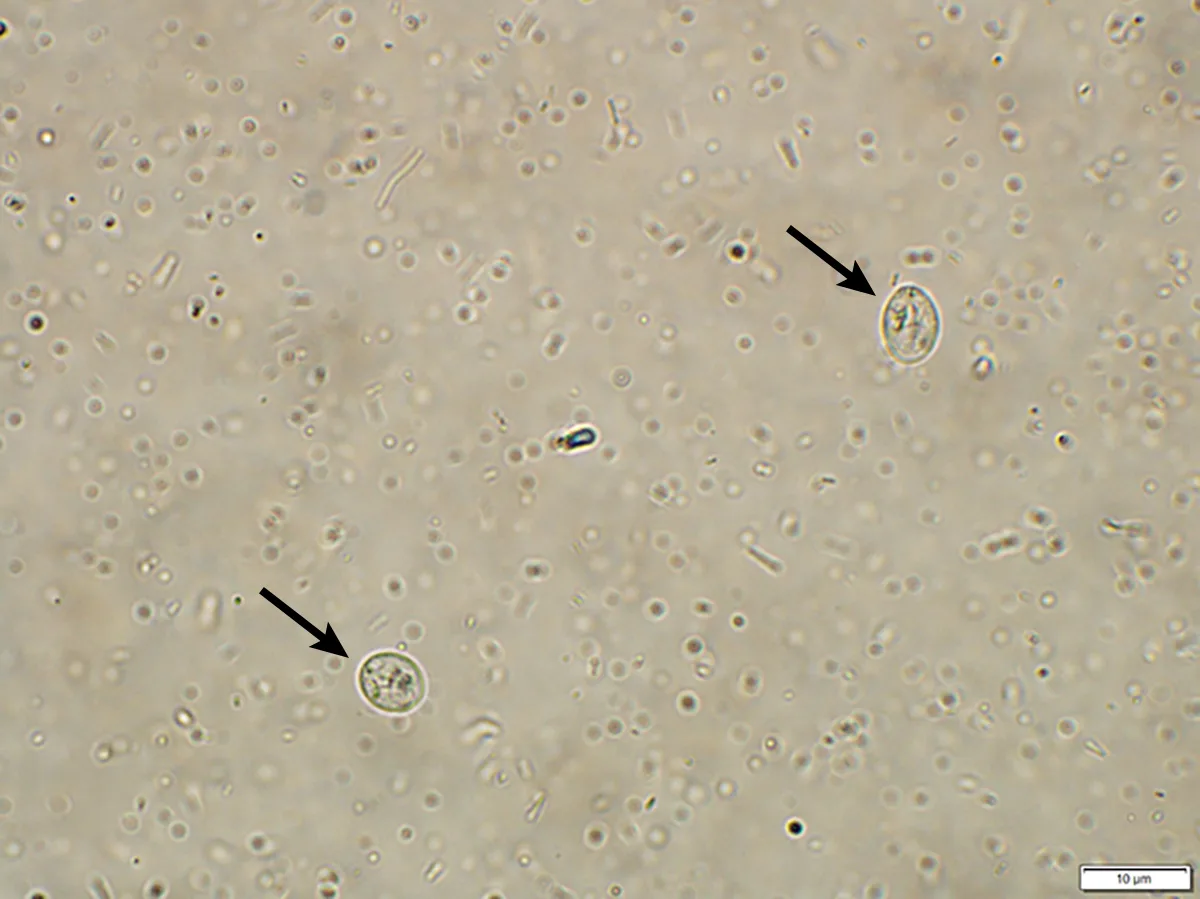
Test your knowledge on diagnosing, managing, and understanding zoonotic risks of Giardia spp in dogs and cats with this brief clinical quiz.
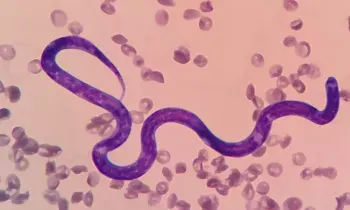
A multimodal approach to heartworm prevention should include both a macrocyclic lactone and vector control. Bookmark this page to quickly reference the essential drug facts you need when choosing a heartworm prevention protocol.
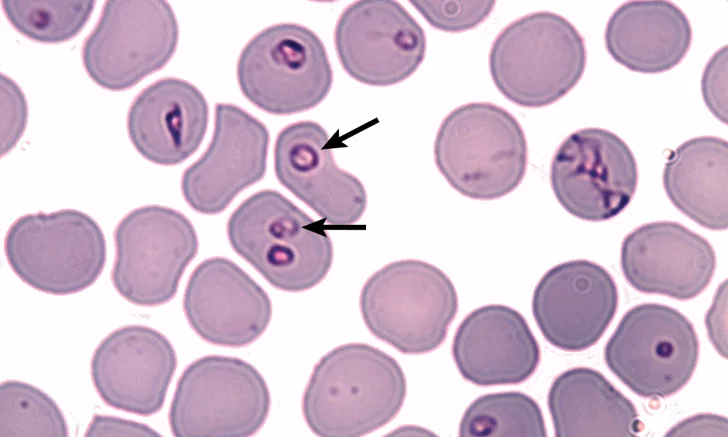
When parasites transmit transplacentally, the effect on neonates can range from subclinical to life-threatening. Spot the clinical signs of these atypical infections.
Test Yourself
Clinical Challenge
Poll
Quiz
Clinical Image
Fact or Fib?
Clinical Scenario

Listen In
Clinician's Brief Podcast

This new-to-us parasite is popping up more frequently in the Southeast region of the United States in both dogs and humans and can be challenging to diagnose and treat. Dr. Walden talks through what we know, what we don’t, and what we can do.

Dr. Moorhead provides more than just a refresher about foundational heartworm care. He covers updated recommendations and novel ideas, including testing guidelines, melarsomine protocols, and mechanisms of heartworm preventives that might surprise you.
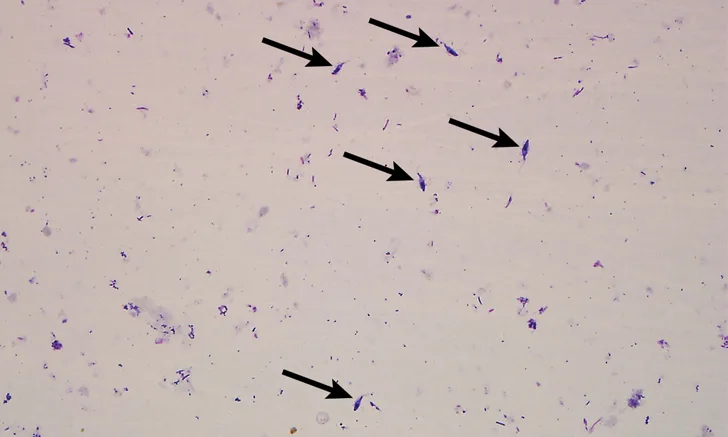
Dr. Pohlman talks about her diagnostic process when determining the cause of this cat’s diarrhea, with an emphasis on differentiating between Giardia spp and Tritrichomonas foetus. After determining a diagnosis of T foetus, Dr. Pohlman discusses treatment, patient monitoring, follow-up, and how to prevent spread.
Preview Plumb's
See how Plumb's can answer your treatment FAQs for common parasites.

Continuing Education
Get 1 hour of CE credit with this free course.

2-Minute Takeaways

Schistosomiasis in dogs is increasingly reported in the United States. Learn more about diagnosis, treatment, and outcomes for this potentially deadly disease.

Are cats with lower airway disease more likely to test positive for heartworm exposure? Get 3 takeaways from this prospective study.

Dog parks have become increasingly popular in the United States, but they may increase the risk for parasitic infection. Find out what this study uncovered.
Recommended Reading
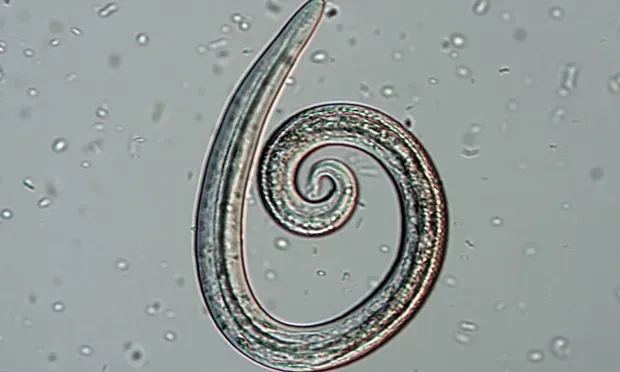
Routine fecal diagnostics are an integral part of wellness care, but some clients have difficulty understanding their importance. Get the talking points you need to convince clients to bring in a stool sample.
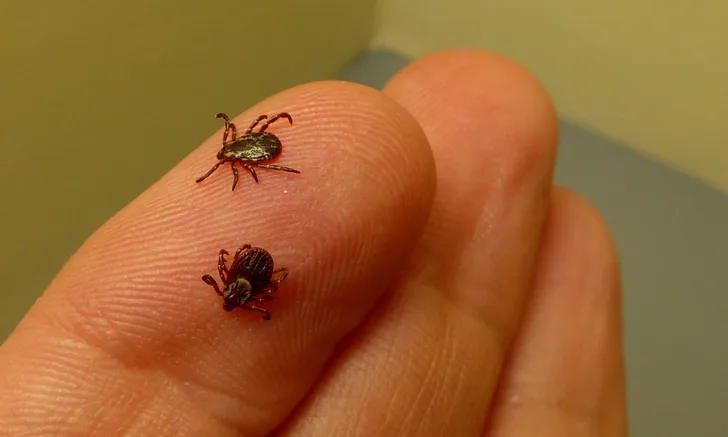
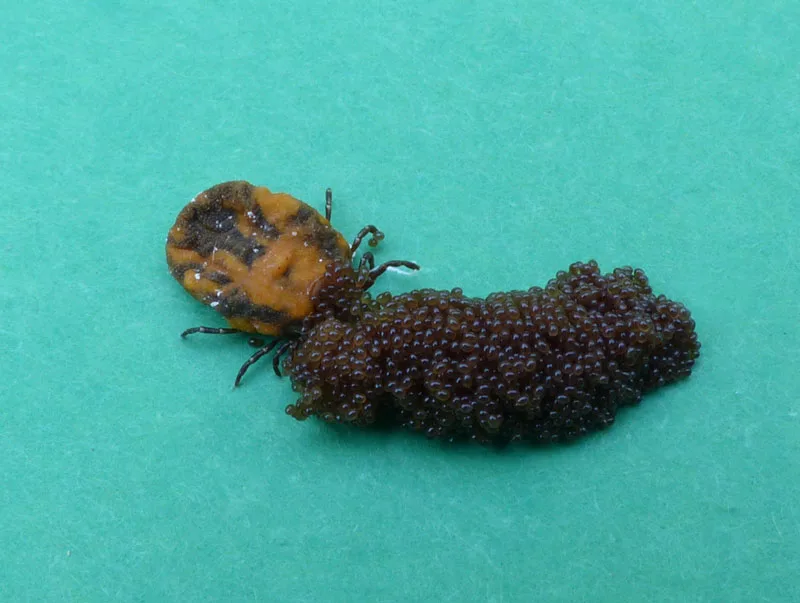
Can you name that tick? Test your identification skills with this comprehensive guide to ticks found in North America.
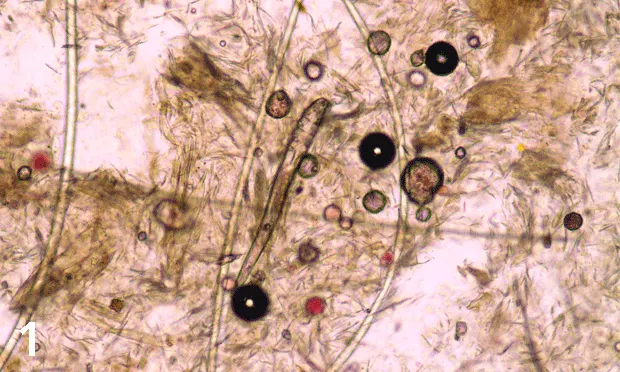
The first in a two-part series on demodicosis, this article explores diagnosis in dogs and cats—covering key clinical signs, diagnostic techniques, and how to differentiate Demodex spp.
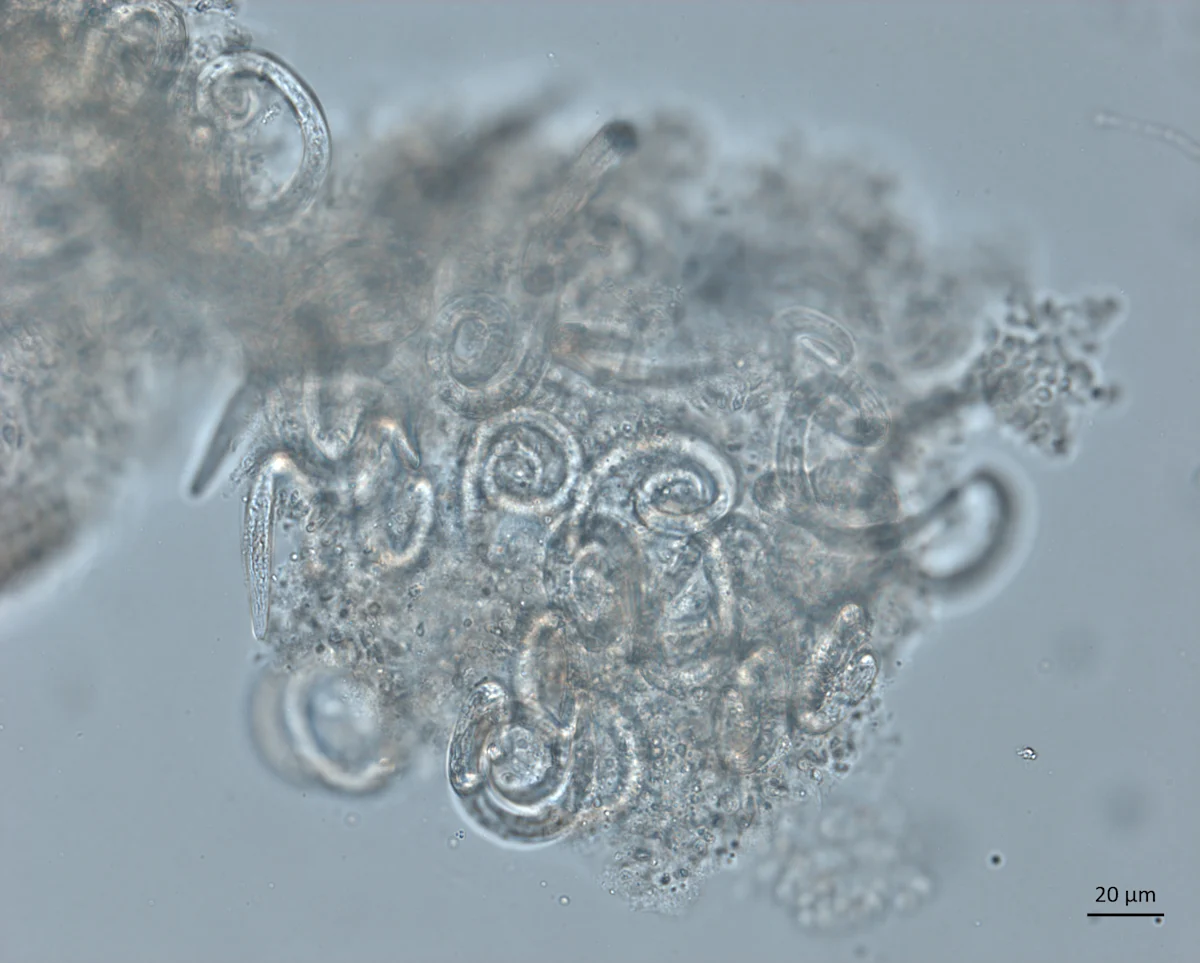
Rat lungworm can cause nonspecific neurologic signs in dogs. Learn about diagnosis and treatment of this lesser known parasite.