Quiz: Giardiasis Diagnosis & Treatment in Dogs & Cats
Daniel Felipe Barrantes Murillo, DVM, MS, PhD, DACVP (Anatomic) , Oklahoma State University
Kathryn Duncan, DVM, PhD, DACVM (Parasitology), Oklahoma State University
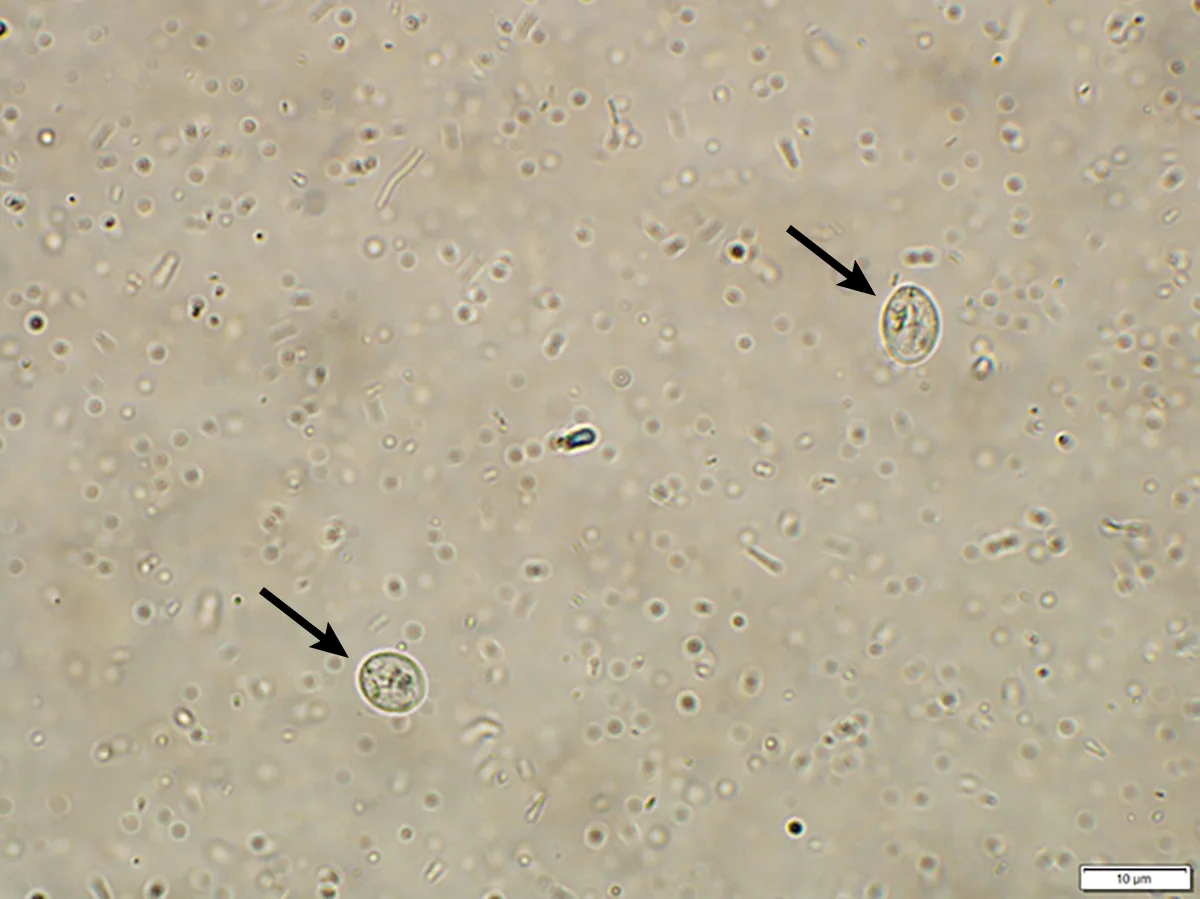
Giardiasis is an infection caused by the protozoan Giardia duodenalis that can occur in many species, including dogs and cats. According to parasite prevalence maps created by the Companion Animal Parasite Council, infections have been reported in ≈5.6% of dogs and 4.4% of cats.1,2 In a survey, Giardia spp were detected in up to 42% of dogs <1 year of age that visited metropolitan parks across the United States. Clinical signs are broad, ranging from mild abdominal pain to severe mucoid diarrhea; however, Giardia spp infection can be detected in otherwise healthy subclinical patients.3
Dogs and cats become infected when cysts in the feces from an infected host are ingested. The excysted trophozoites then colonize the small intestine and induce direct intestinal damage through several pathologic mechanisms, including the production of toxins, induction of inflammatory bowel disease, disruption of normal intestinal biota, blunting of microvilli, and induction of motility disorders.4 The majority of trophozoites become cysts prior to exiting the host via feces. Prompt diagnosis and control is crucial because perpetuated infection of hosts is common due to fecal–oral transmission. Zoonotic transmission is possible; however, risk is low in North America because of the moderate level of host specificity among assemblages of G duodenalis.3
Take the Quiz
Conclusion
Giardia spp infections in dogs and cats are common in North America, and management can be frustrating. Giardiasis is defined by the development of clinical signs (eg, diarrhea, flatulence) following infection with Giardia spp; however, some patients can develop a subclinical chronic infection and serve as potential reservoirs by exposing noninfected individuals to infective cysts.18 Appropriate fecal diagnostics should be selected based on patient presentation, pet owner financials, and current research. The primary principle of prevention relies on avoiding exposure to the infectious cysts in fresh animal feces and contaminated food and water.
Treatment should be made based on clinical signs, underlying infectious diseases, predisposing factors, failure of previous therapeutic plans, and potential zoonotic implications.4,8 Owner expectations should be managed during treatment, as reinfection is common and zoonotic transmission is possible.