Advocating for Fecal Diagnostics in Routine Preventive Care
Sarah Myers, DVM, Oklahoma State University
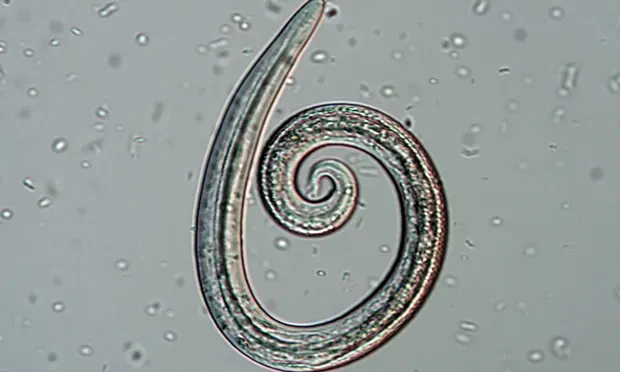
Parasitic infections are commonly diagnosed in veterinary practice, even with the availability of effective routine preventives. Improved communication may help clients understand that fecal diagnostic tests are quick, cost-effective, and sensitive and can prevent serious parasitic infections when incorporated in annual preventive care routines.
This article provides key discussion points when creating a parasitology diagnostic plan.
Assessing the Risk for Parasitic Infections
Understanding the risks for parasitism can encourage clients to pursue fecal diagnostics as part of a preventive care plan. Assessing risk for parasitic infection often relies on patient history, including geographic regions the patient has lived in or traveled to, and high-risk behaviors (eg, predation, coprophagy). Risk for infection may increase with changes in climate as patients travel to different geographic locations due to owner travel or movement among shelters.1
Key Points to Discuss
Fecal stewardship: Dogs may be exposed to parasites in yards, trails, and dog parks.2 Feces should be promptly disposed of in these areas and coprophagy discouraged.
Wildlife reservoirs: Wild animals can serve as reservoirs for many parasite species found in companion animals and contaminate areas like fenced yards where other domestic animals may not regularly have access.1
Preventive use: Fecal diagnostics can detect parasites outside the spectrum of efficacy of commonly used preventives. Routine diagnostics can also help determine whether these products are being administered properly and working as expected.
Regional parasites: Discussing parasites species local to the area the patient lives in or travels to is important, as patients are exposed to parasites in the environment in which they reside in or travel to, and parasite species vary between different regions and climates.
What a Conversation About Risk May Sound Like
Client: Rocky doesn’t go to the dog park and only has access to a fenced yard, so I don’t think he could have parasites.
Clinician: Dogs can be exposed to parasites in many different places, including yards where wild animals may defecate unnoticed and even on walks in a neighborhood or on trails.
Client: I already give him monthly preventives for intestinal parasites, what is the purpose of adding these diagnostic tests?
Clinician: Preventives are very effective for multiple parasite species, but they don’t cover all species. Fecal diagnostics can help detect parasites that are not treated with these products and help direct us to an effective treatment if needed.
Practicality of Fecal Diagnostics
Fecal diagnostics are an easily accessible, effective way to detect active intestinal parasites.2,3 Centrifugation fecal flotation is sensitive and can be performed in <10 minutes.4 For busy clinics, sending results to multiple fecal laboratories, including for PCR, coproantigen, and artificial-intelligence–driven fecal flotation that detects many common parasite species, can help provide results within 24 hours. Fecal diagnostics should be performed in all patients, even those without clinical signs, at least twice per year.5 If left untreated, parasites can begin to cause severe clinical signs, including GI upset and decreased body condition.
Key Points to Discuss
Subclinical parasitism: Not all patients exhibit signs when infected with parasites. Parasite burden and tolerance can vary. Routine fecal diagnostics can help detect parasites before signs occur and prevent contamination of the environment from subclinical patients.
Zoonotic parasites: Many species of parasites found in companion animals, including helminths and protozoans, are zoonotic. Some of these (eg, Echinococcus spp, Toxoplasma gondii) may produce few to no clinical signs in dogs and cats but can be a risk to human health.
Cost & time: Fecal diagnostics are an inexpensive addition to routine preventive care plans and require simple, noninvasive sample collection methods. These tests can be performed quickly, providing clients with rapid results.
Reducing additional diagnostic costs: Many parasitic diseases produce signs that mimic other conditions. For example, Trichuris vulpis produces signs (ie, abnormalities on serum chemistry profile) similar to hypoadrenocorticism.6 Fecal diagnostics are an inexpensive way to rule out parasitic differentials and avoid costly diagnostic plans.
What a Conversation About Diagnostics May Sound Like
Clinician: We recommend all pets receive routine fecal examinations at least once a year to help detect parasites that may not cause noticeable signs but still pose a health risk.
Client: Rocky already seems healthy. Why do I need to pay to for fecal testing?
Clinician: Fecal diagnostics can help keep you and your pet healthy by detecting parasites before they become a significant problem. Thankfully, fecal testing is relatively inexpensive and can provide results quickly.
Educational Tools
Recommendations for proper diagnostic testing procedures are available, as well as geographic prevalence of common parasites and a county-level map (see Suggested Reading) that may help clients with awareness of parasites in their area and how this has changed over time.