Triage & Trauma
Some clinicians thrive on the adrenaline rush of working an emergency case, while others might dread the thought. Whichever part of the spectrum you might fall on, however, emergency presentations are inevitable and being prepared is key. This resource presents some of these scenarios and offers insights on how to best manage them.
Explore More About Triage & Trauma
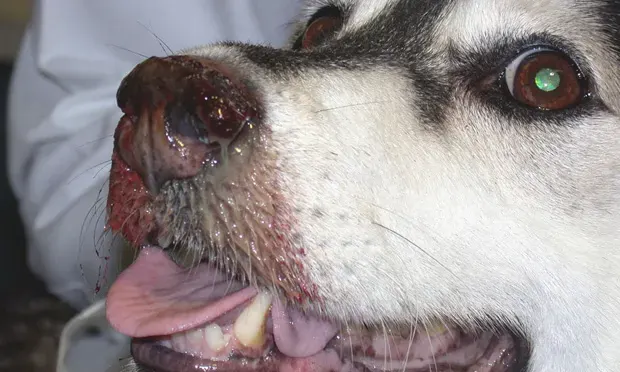
The physical examination is an important diagnostic tool when assessing patients for distributive shock. Rapidly identify key features of this life-threatening syndrome.
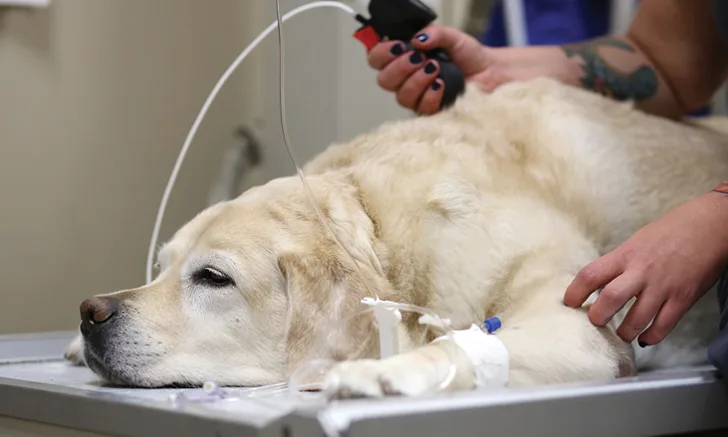
From causes and clinical clues to fluid selection and resuscitation end points, this expert guide walks you through the recognition and management of hypovolemic shock in cats and dogs.

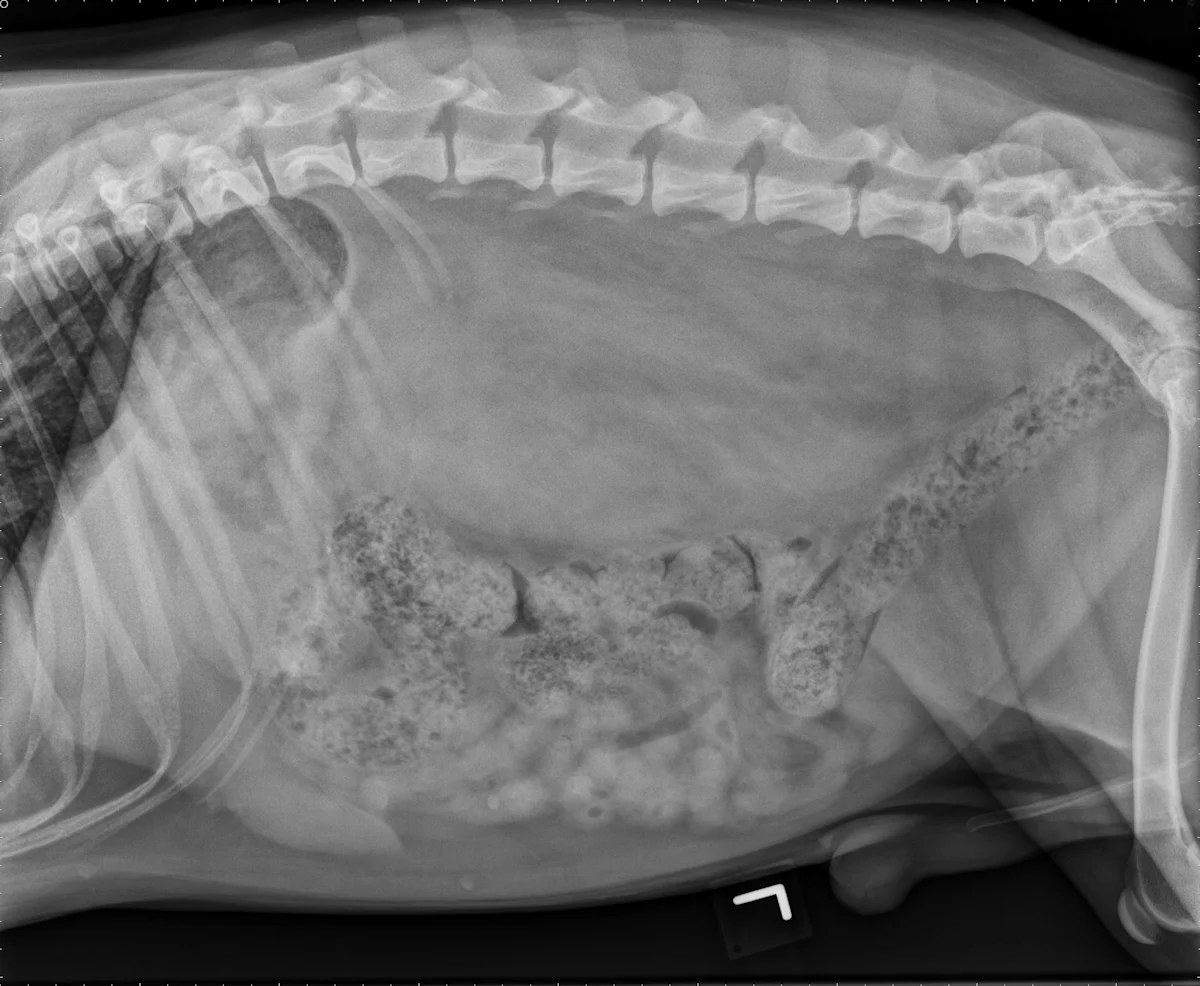
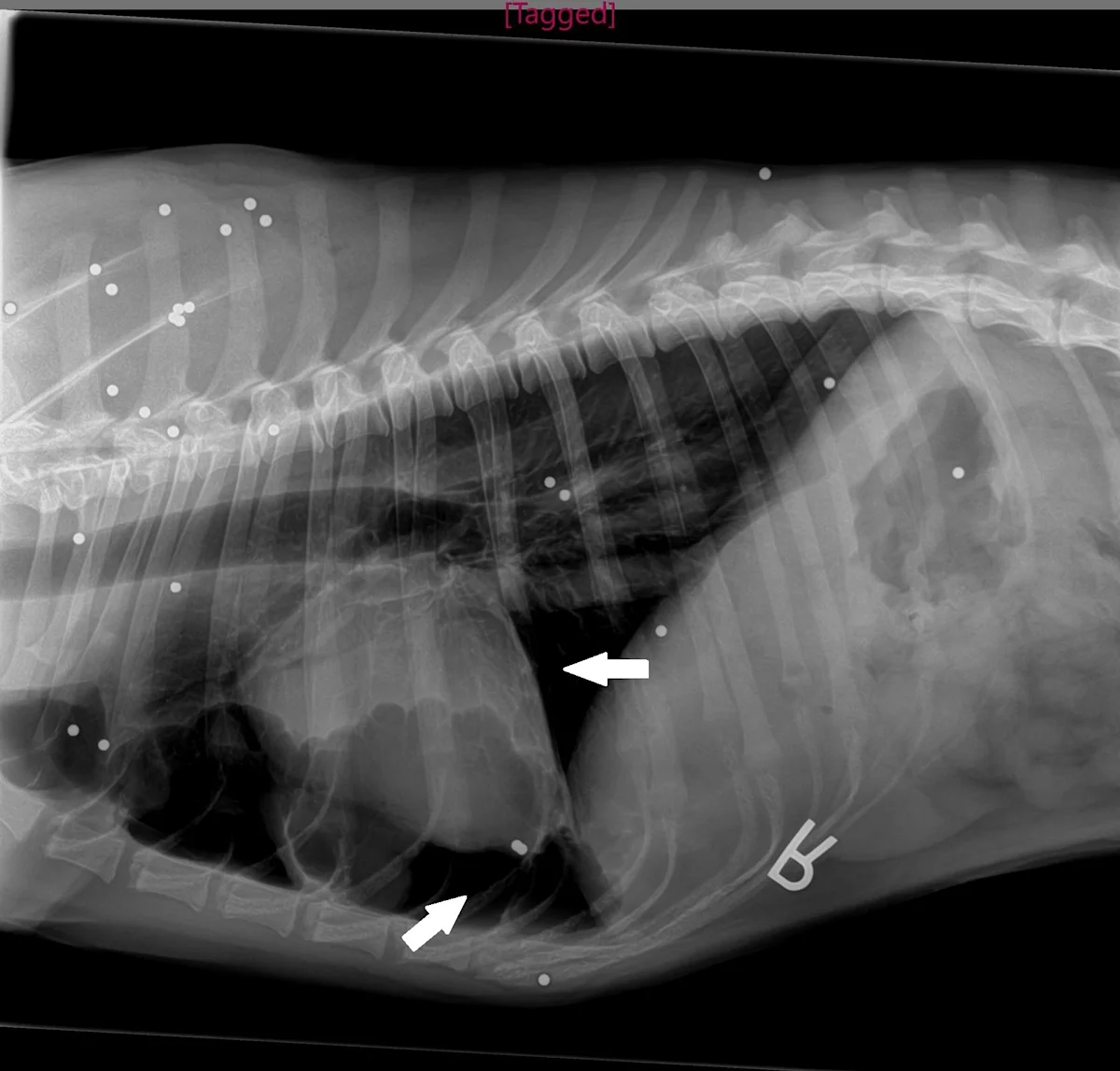
Gastric dilatation-volvulus (GDV) most commonly affects large dogs, with mortality rates ranging from 10% to 33%. Confirm how to diagnose, treat, and prevent GDV.

A puppy was presented for collapse after chewing on an electric cord. Follow this case to learn the effects of electrocution and how to determine a treatment plan.
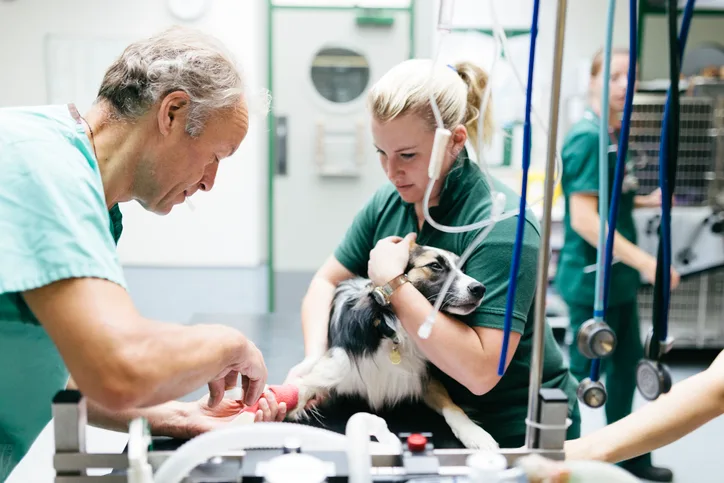
Rapid evaluation and damage control resuscitation are essential for maximizing the likelihood of survival in vehicular trauma patients. Implement these guidelines in your hit-by-car stabilization protocol to help more patients successfully reach referral to a tertiary facility.
Test Yourself
Clinical Challenge
Poll
Quiz
Clinical Image
Fact or Fib?
Clinical Scenario

Listen In
Clinician's Brief Podcast
Listen In

These critical “surprises” can really throw a day off. Dr. Boatright shares her practical approach to handling emergency cases, even when you’ve got a smaller team and a fuller schedule.

Dr. Musulin details how and when—or when not—to autotransfuse and shares several expert tips and a few pitfalls to avoid.

Dr. Wolf, one of the authors for the 2024 RECOVER guidelines update, reviews the important changes covered in the update, including compressions, capnography, and epinephrine dosing. He also shares how we can all implement them in practice.
Preview Plumb's
See how Plumb's can answer your treatment FAQs for Osteoarthritis.

Continuing Education
Earn CE credit with these free courses.

In this webinar, Dr. Elizabeth Rozanski will review how to investigate and treat endocrine emergencies, with a particular focus on diabetic ketoacidosis and concurrent pancreatitis, hypoadrenocorticism, and thyroid and calcium abnormalities.

Join Dr. Philippa Pavia in this dynamic webinar tailored specifically for emergency veterinarians and general practitioners who are not just performing surgery but also on the first line of defense in triage and initial evaluations.
2-Minute Takeaways

Treatment of DKA in cats typically involves intermittent boluses or CRI of regular insulin, but this alternative protocol may lead to faster clinical improvement.

Prolonged urethral obstruction in cats can lead to postrenal azotemia and other complications. Discover what this study found when evaluating decompressive cystocentesis as a means to facilitate urethral catheterization.

Surgical removal of intestinal foreign bodies has inherent risks. Compare the risks of enterotomy and intestinal resection and anastomosis, and learn what to look for in patients undergoing these procedures.

Given the lack of canine-specific tests for marijuana exposure, many clinicians use a human version, but are the results reliable? Researchers examined urine and serum samples of 19 dogs with suspected or confirmed marijuana toxicosis to find the answer.
Recommended Reading

Corticosteroids have an important place in emergency medicine. Here are 5 conditions that require steroids, stat.
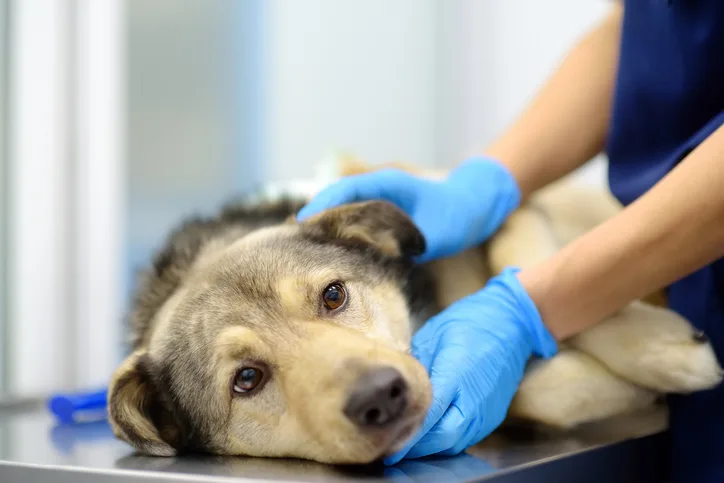
Emergencies can be intimidating for primary care veterinary teams, but a systematic approach, proactive communication, and asking for help when you need it can make emergency stabilization less stressful and more rewarding.
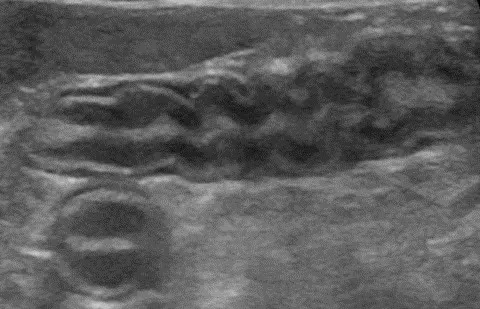
Review the clinical application of abdominal ultrasonography in diagnosing gastrointestinal foreign bodies and resultant obstructive patterns.
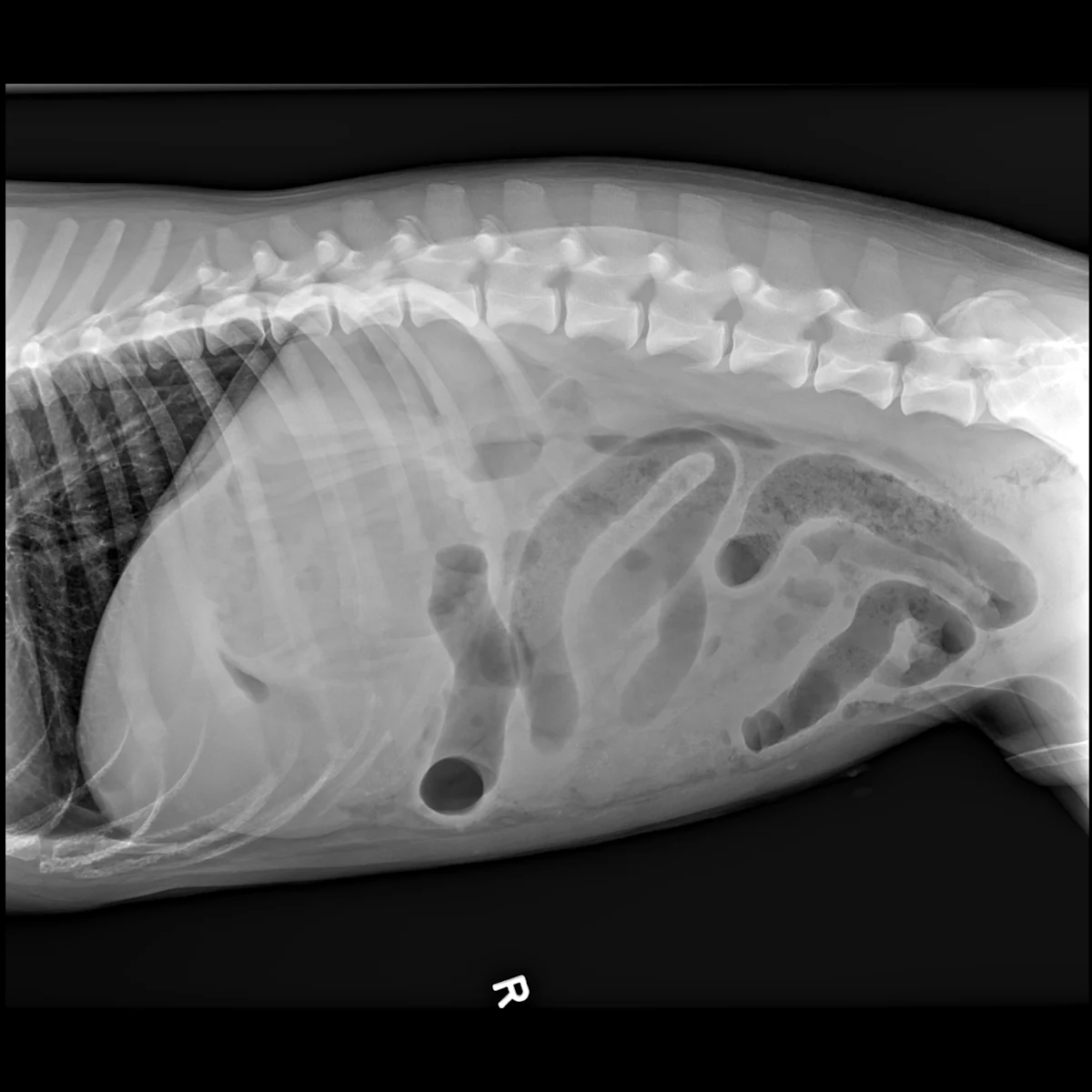
Abdominal radiography can be an excellent screening tool to diagnose foreign body obstructions.