Osteoarthritis
Osteoarthritis is extremely common in dogs and cats and, although it occurs more commonly in older patients, younger patients can be affected as well. Pain and subsequent decreased mobility can negatively impact quality of life; however, multimodal treatment and availability of newer drugs can help. This resource can enhance understanding of osteoarthritis and aid in the development of effective treatment protocols.
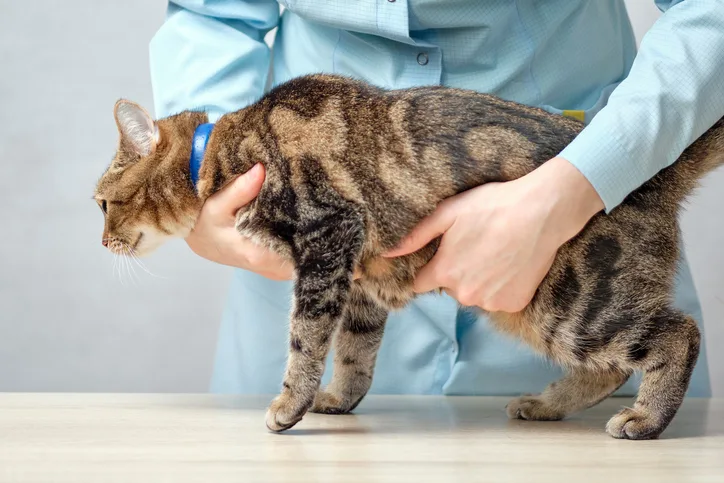
Explore More About Osteoarthritis

Treating cats with chronic osteoarthritis pain can be challenging given how often NSAIDs are off the table. Follow the case of this Maine Coon, and review the different treatment options you should consider with your next painful feline patient.

This article explores five key OA treatments and features a dietary calculator to help clinicians personalize weight loss and supplement plans for senior dogs.
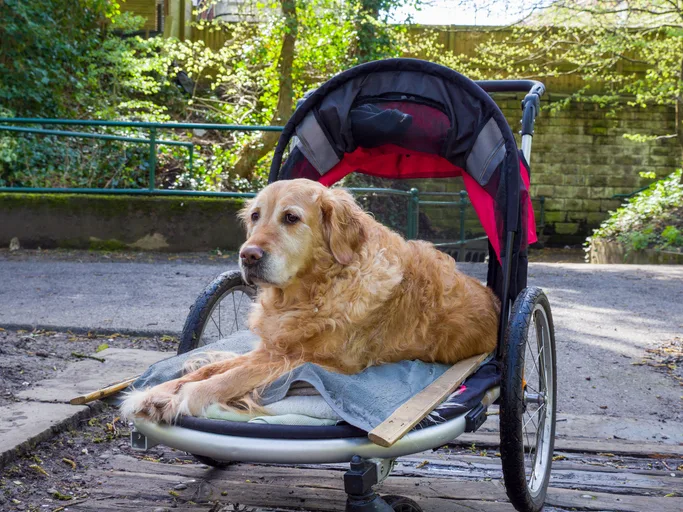
Osteoarthritis of the digits is an often underrecognized cause of pain and gait abnormalities in dogs. This review presents a deep-dive into pathogenesis, diagnosis, and management of this common condition.
PARTNER RESOURCES

OA pain may develop gradually, but its impact can be profound. This expert-led discussion explores how early detection and advances in therapy are transforming canine OA pain management and improving long-term patient comfort and function.

Even the best pet owner can have trouble sticking to a home medication routine, but OA doesn’t take a break. To see how Ernest went from a young dog with significant mobility challenges to a happier, more active member of the family, check out this case study.

Although OA can have significant impacts on patient quality of life, lifestyle modifications and effective pain relief can provide patients with a chance to return to a more active lifestyle. With this downloadable handout, equip pet owners with the skills they need to help their pet as best they can.

Postapproval data play a critical role in understanding how therapies perform across diverse patient populations and real-world clinical settings. Review pharmacovigilance insights on Librela (bedinvetmab injection) to deepen your perspective on long-term safety and clinical use.

It’s time to turn toward a whole-team approach to tackling canine OA pain. Explore this comprehensive guide with strategies for getting every member of the care team involved.
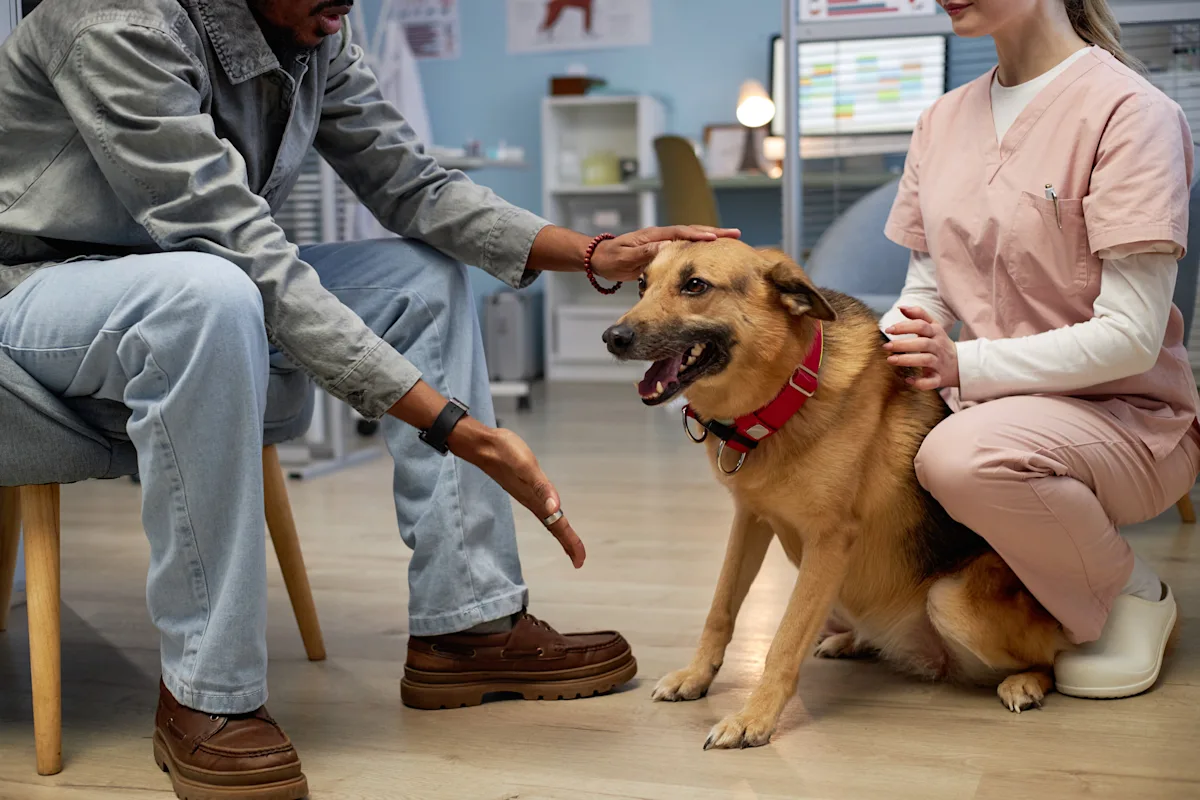
Determining whether a patient’s mobility issues are orthopedic or neurologic in origin starts with careful observation, history, and targeted examination. Watch this webinar to strengthen your ability to evaluate and localize the underlying cause—and earn CE!

From confusion surrounding the age of disease onset to differing opinions on patient treatments, the facts about canine OA aren’t always very clear, especially for pet owners. Check out these 5 debunked myths to help empower pet owners with accurate information.
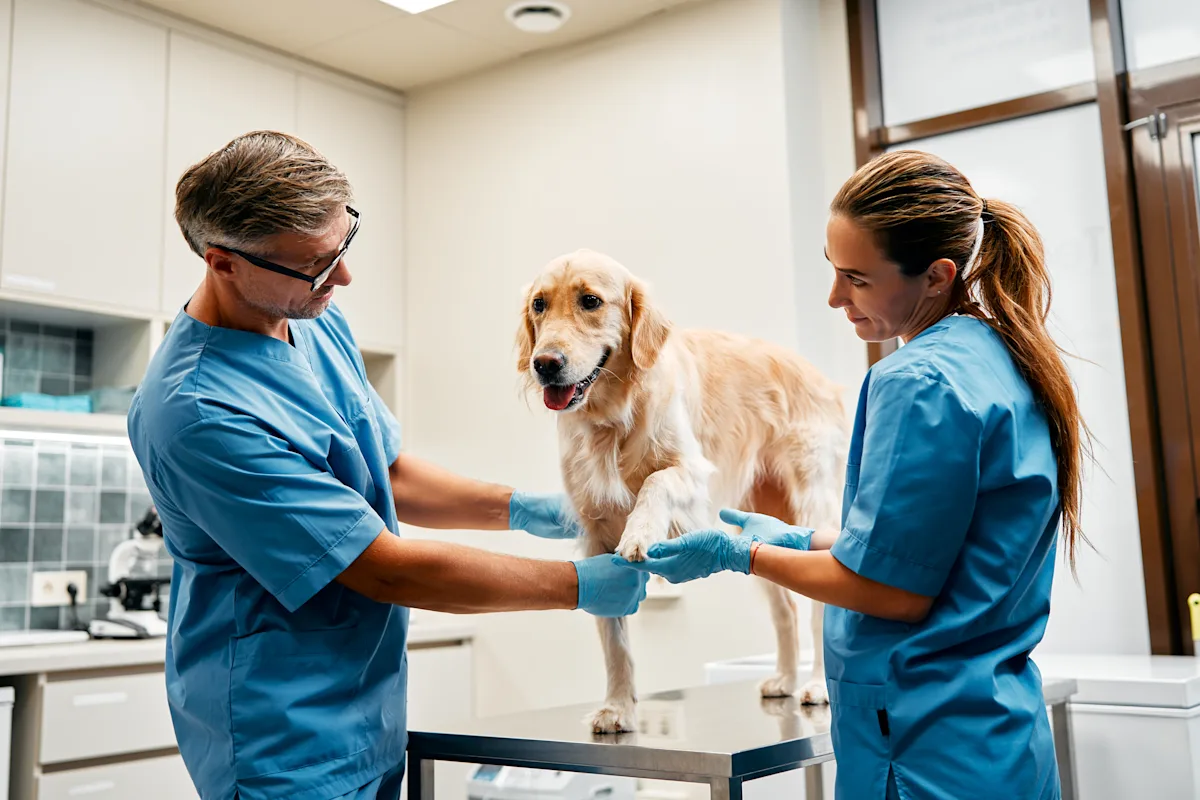
Osteoarthritis is a common, progressive source of pain in dogs that often goes unrecognized, making early identification and thorough orthopedic evaluation critical for effective management. Check out this video for helpful examination tips, and while you’re at it, download a standardized form to streamline your orthopedic evaluation.
Test Yourself
Clinical Challenge
Poll
Quiz
Clinical Image
Fact or Fib?
Clinical Scenario

Listen In
Clinician's Brief Podcast
NSAIDs have long been the go-to pharmaceutical for managing canine OA pain, but is there another first-line option? In this podcast episode, Dr. John Innes breaks down the latest research on what having a monoclonal antibody targeting canine OA pain means for his approach to managing these patients.

Dr. Barnes imparts a feline-centric view on medications, supplements, weight loss, and even surgery, to help our creaky, old cats.

Dr. Bleedorn and Dr. Talsma each share their evidence and experience to guide us on how body condition, drugs, supplements, and exercise can positively impact these painful old pups.
Preview Plumb's
See how Plumb's can answer your treatment FAQs for Osteoarthritis.

Continuing Education
Earn CE credit with these free courses.
Learn about how the monoclonal antibody Librela™ works and share clinical case recommendations for its use in the management of pain associated with chronic OA

In this webinar, Drs. Melina Zimmerman and Brian Neumann will provide a framework for improving the diagnosis and treatment of canine OA pain and discuss the benefits of a team approach.

In this free CE webinar, get expert advice on how to recognize the link between pain and behavior to more effectively help your patients and their owners.
2-Minute Takeaways
Mesotherapy is a minimally invasive therapy for osteoarthritis pain involving intradermal injections of microdoses of medication. Find out if mesotherapy gave working dogs the relief they needed in this double-blinded study.
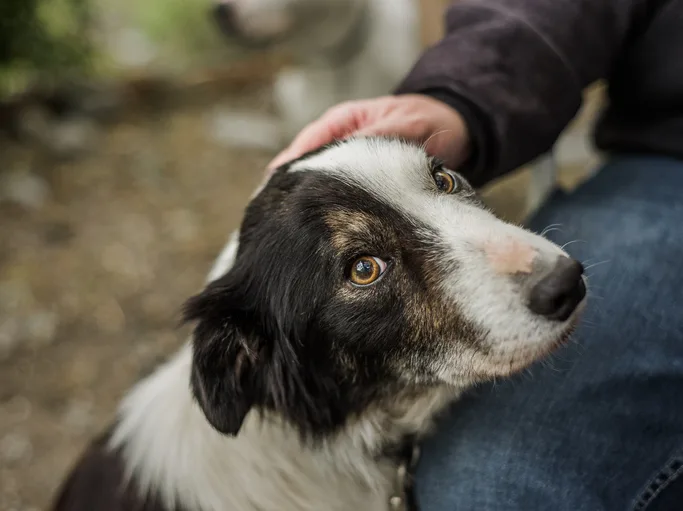
Most owners want their pets to be pain free, but they may not always know what that looks like. A recent study asked owners how they perceived different scenarios before and after education on recognizing the signs of pain.

Oral gabapentin is often prescribed to treat stress and pain in cats, but administration can be challenging for owners. Discover whether transdermal gabapentin shows promise in this pilot study that measured serum concentrations after transdermal application.
Recommended Reading
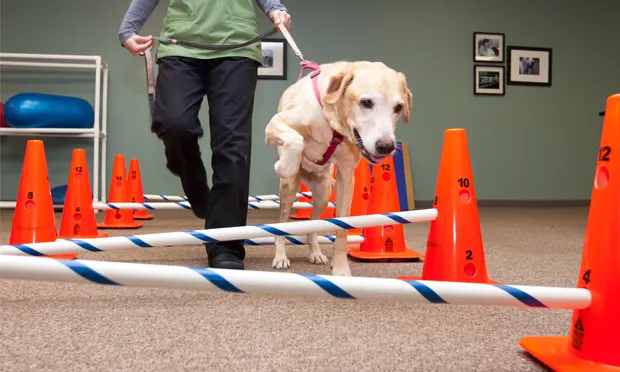
Veterinary physical rehabilitation encompasses a whole-body approach to patient assessment and treatment, and the foundation of treatment is therapeutic exercise. Explore these 5 therapeutic exercises in detail.
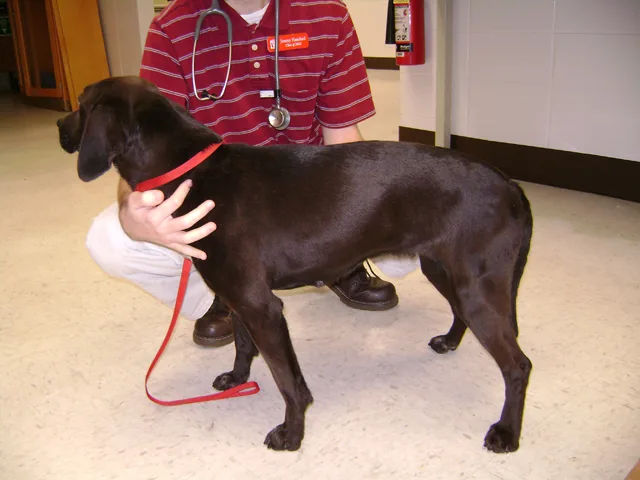
Assessing BCS is a subjective and semiquantitative method for evaluating body fat that combines visual assessment and palpation to assess adipose tissue mass.

Localizing thoracic limb lameness in dogs can be tricky thanks to complex local anatomy and a host of possible underlying problems. Confidently work your way from gait to recumbent evaluation and from manus to shoulder with the help of this step-by-step guide.
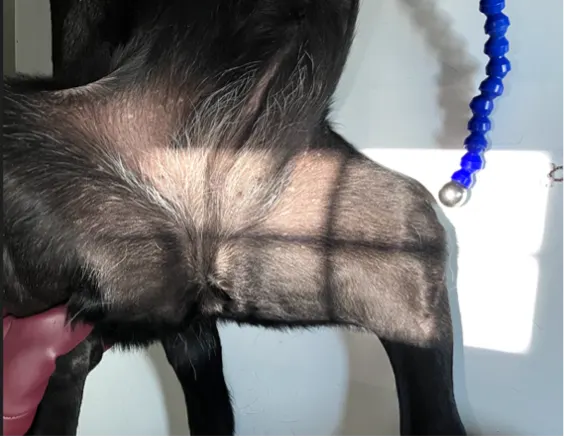
This procedural walks you through proper positioning techniques for pelvic limb radiography—complete with visuals and tips to keep your shots straight every time.
LIBRELA IMPORTANT SAFETY INFORMATION
Librela is for use in dogs only. Women who are pregnant, trying to conceive or breastfeeding should take extreme care to avoid self-injection. Hypersensitivity reactions, including anaphylaxis, could potentially occur with self-injection. Librela should not be used in breeding, pregnant, or lactating dogs. Librela should not be administered to dogs with known hypersensitivity to bedinvetmab. Adverse events reported post-approval include ataxia (lack of balance/coordination), anorexia (loss of appetite), lethargy (tiredness), emesis (vomiting), and polydipsia (increased drinking). The most common adverse events reported in a clinical study were urinary tract infections, bacterial skin infections and dermatitis (skin irritation/inflammation). See full prescribing information at LibrelaPI.com.