Clinical Portals
Dive deeper into the conditions impacting the patients you see everyday with Clinical Portals from Clinician's Brief. Each portal has cases, quizzes, and more, touching each aspect of care.
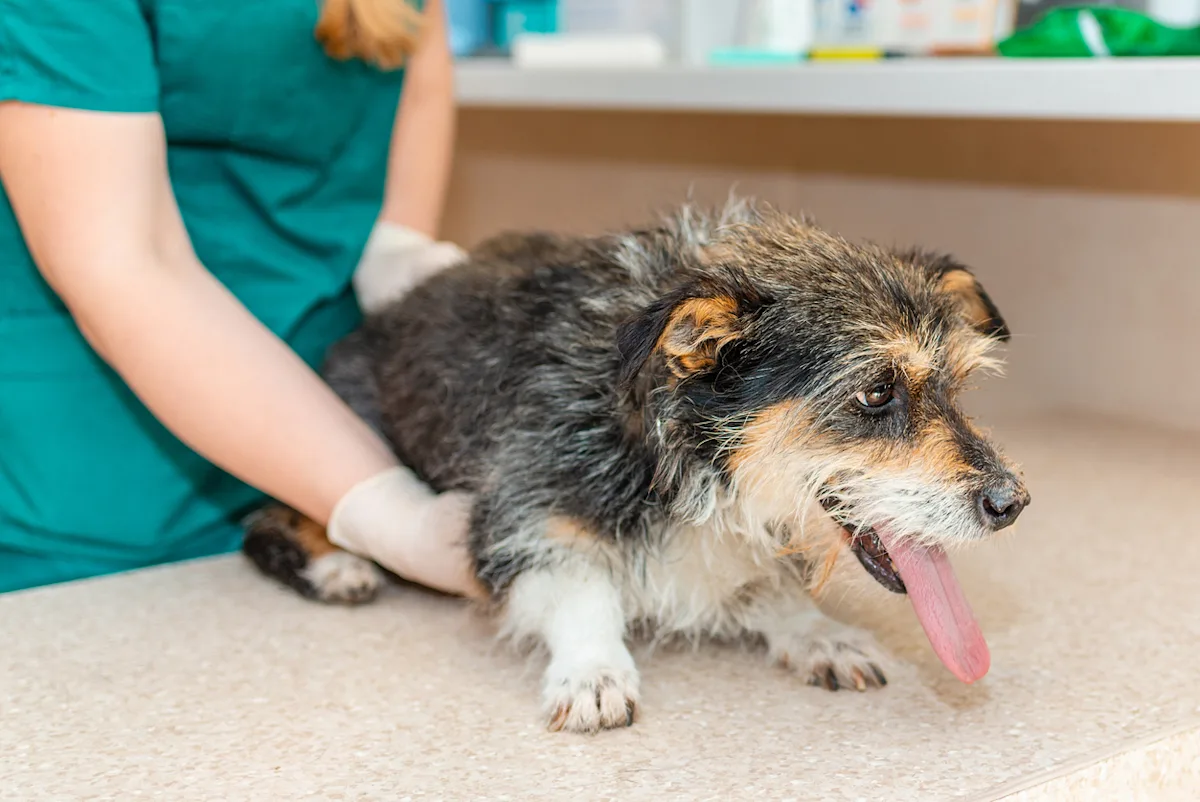
Clinical Portals
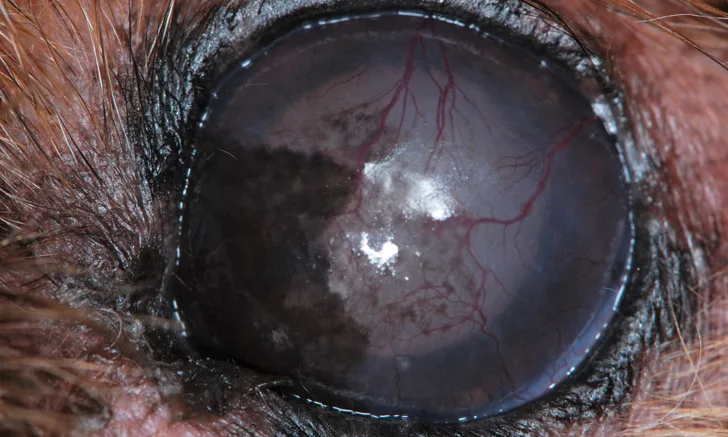
Similar to diseases of the skin, ocular disorders can provide a window into a patient’s underlying health. Primary diseases of the eye are common and often detected by owners; however, many conditions can result in secondary ocular signs that can provide a clinician with hints on what diagnostic paths should be taken.

Osteoarthritis is extremely common in dogs and cats. Although OA occurs more commonly in older patients, younger patients can be affected as well. Pain and subsequent decreased mobility can negatively impact quality of life; however, multimodal treatment and availability of newer drugs can help.

From blocked cats to incontinent dogs, a myriad of urinary tract disorders can require attention, whether for emergent treatment or chronic management. This resource provides practical guidance to help navigate these common clinical problems.
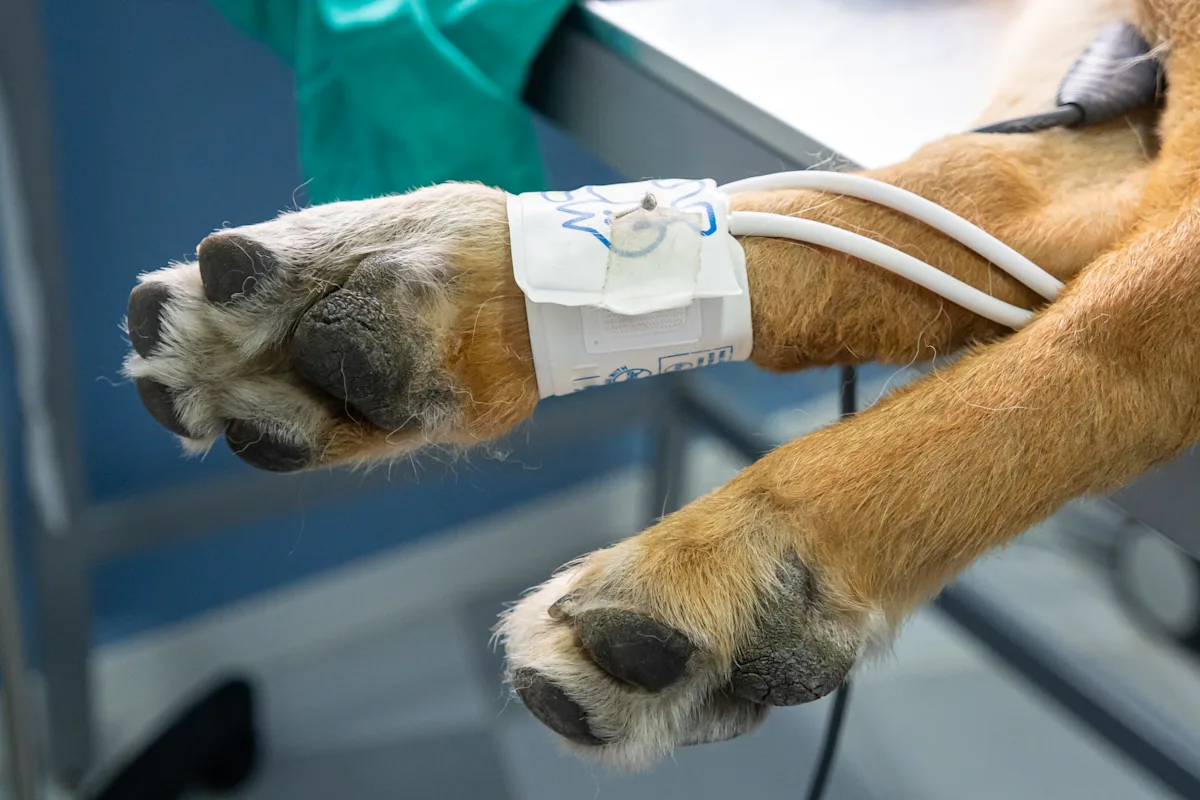
Some clinicians thrive on the adrenaline rush of working an emergency case, while others might dread the thought. Whichever part of the spectrum you might fall on, however, emergency presentations are inevitable and being prepared is key. This resource presents some of these scenarios and offers insights on how to best manage them.
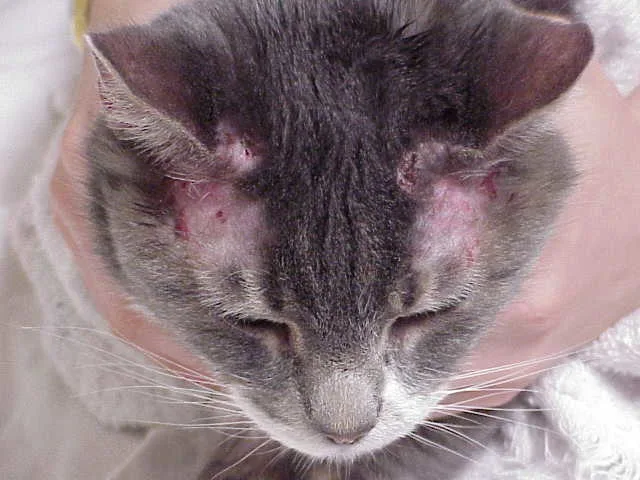
From insidious onset to dramatic acute collapse, endocrine diseases in dogs and cats present some of the most challenging diagnostic and management dilemmas in clinical practice. Nothing about these diseases is easy, and keeping up with the latest recommendations for testing and treatment is paramount for patient health. This clinical resource can help guide you toward this goal.
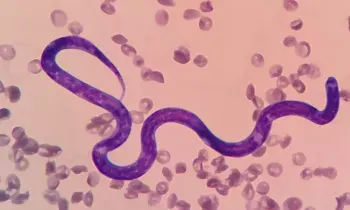
With geographic ranges expanding, knowledge about the parasites that threaten our patients is as critical as ever. Knowing how to recognize parasitic infections, which tests to run, and what treatment and prevention options exist are important. Whether you are new to practice or a seasoned clinician, peruse this portal to brush up on your parasite know-how.

Orthopedic referral is not always feasible or even necessary. There are many opportunities to practice your orthopedic skills in general practice. Explore this resource to learn more about managing fractures in dogs and cats.

Although heart disease in cats and dogs is common, advancements in treatment have enabled these patients to live longer and have a better quality of life. This resource can help you navigate diagnosis and management of heart disease in your patients.

Anxiety can cause distress for both pets and owners and may result in destructive behavior and sometimes injury. This resource can help with understanding patient anxiety and other behavioral issues and provides tips on behavioral modification techniques and pharmacologic options.
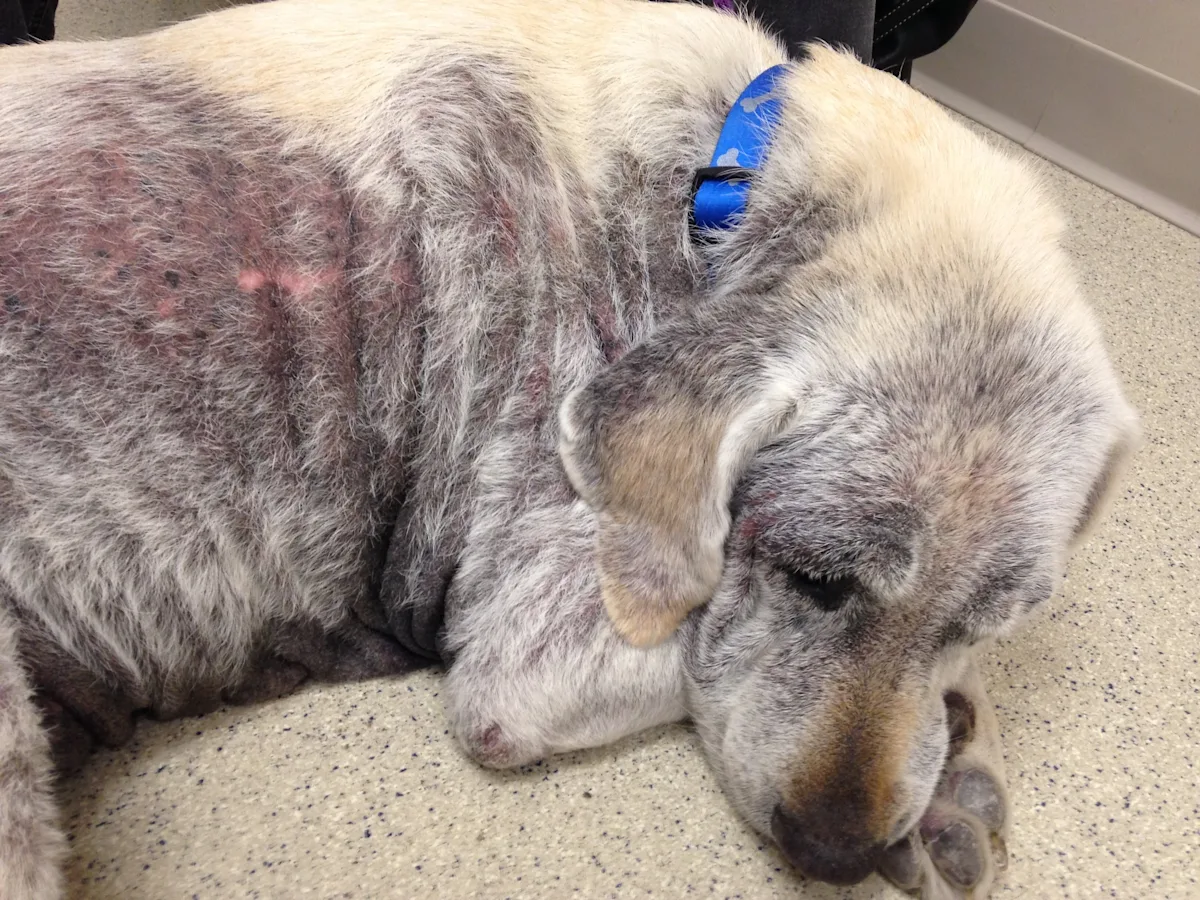
There is not a day in the clinic without an itchy dog on the schedule, but options for managing these cases have widened in recent years. This resource can help with identification and effective management of dogs with atopy and related conditions, allowing the best treatment tailored for every patient.