Hyperadrenocorticism & Other Endocrinopathies
From insidious onset to dramatic acute collapse, endocrine diseases in dogs and cats present some of the most challenging diagnostic and management dilemmas in clinical practice. Nothing about these diseases is easy, and keeping up with the latest recommendations for testing and treatment is paramount for patient health. This clinical resource can help guide you toward this goal.
Explore More About Hyperadrenocorticism & Other Endocrinopathies
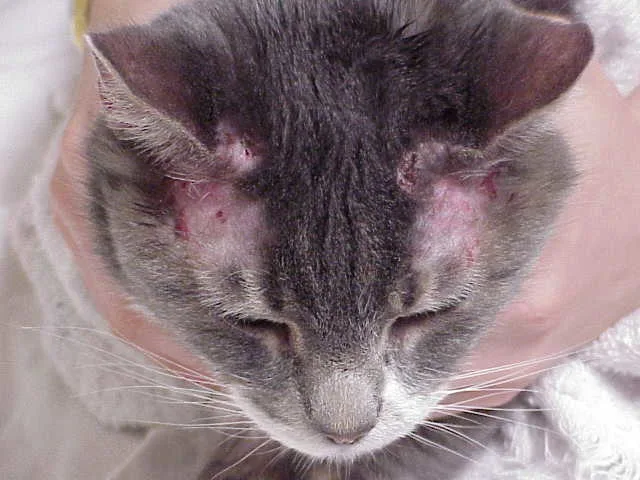
This overview discusses diagnosis, treatment, and follow-up strategies for feline hyperthyroidism.

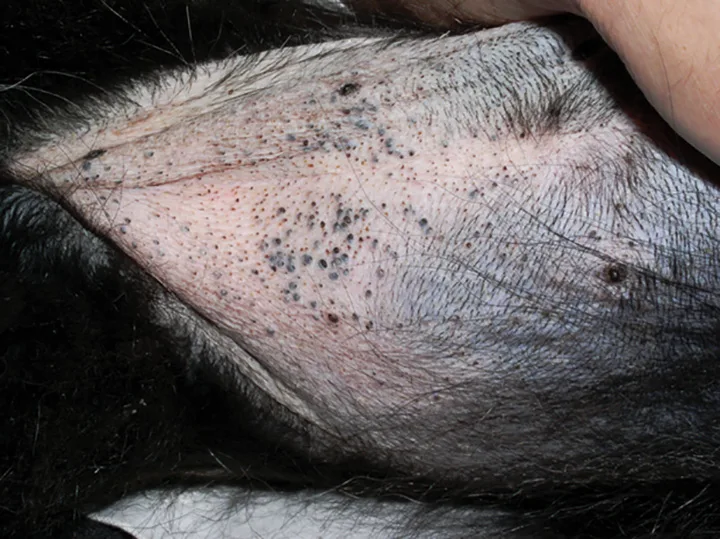
Hyperadrenocorticism can affect multiple organs and metabolic pathways in dogs. Not all cases are the same, and there are numerous possible testing modalities. This quiz-based case study covers all the options from screening through diagnosis and treatment monitoring.

Trilostane therapy can have life-threatening complications. Successful management of canine hyperadrenocorticism with trilostane can be simplified with these 5 indicators.
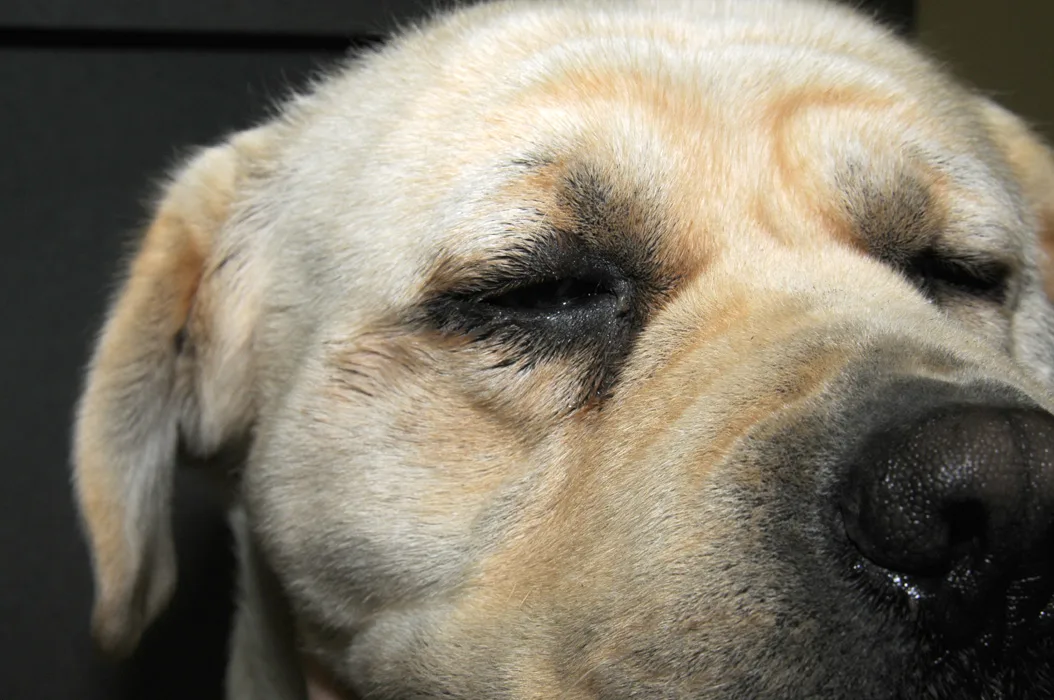
This review of canine hyperthyroidism outlines the causes, signs, diagnostics, and treatment options.
Test Yourself
Clinical Challenge
Poll
Quiz
Clinical Image
Fact or Fib?
Clinical Scenario

Listen In
Clinician's Brief Podcast

Preview Plumb's
See how Plumb's can answer your treatment FAQs for urinary tract diseases


Continuing Education
Earn CE credit with these free courses.
2-Minute Takeaways
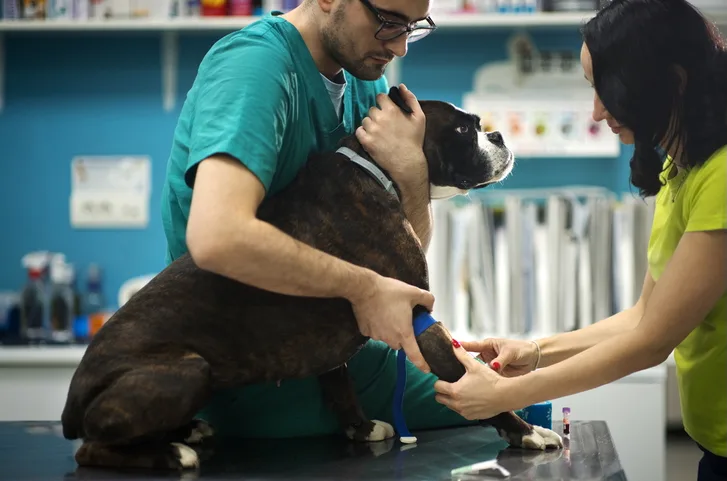
Do initial ACTH stimulation test results of dogs with hyperadrenocorticism predict a need for higher doses of trilostane? This retrospective study compared initial and final doses of trilostane in dogs with hyperadrenocorticism to get the answer.
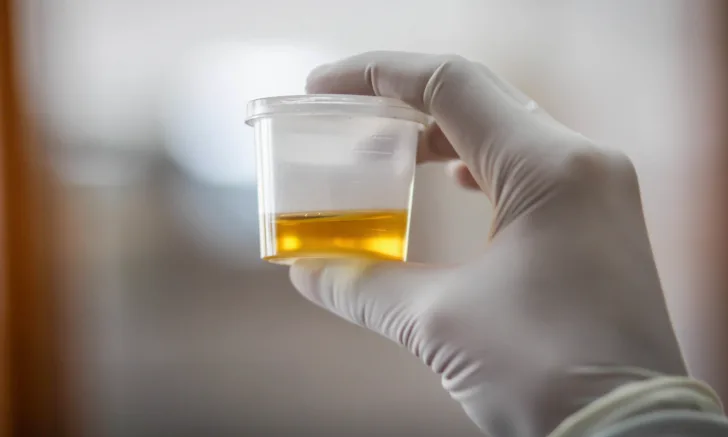
Diagnosing hypoadrenocorticism via ACTH stimulation testing can be costly. A new study asks whether urine cortisol:creatinine ratio is an effective option to screen for this serious disease.
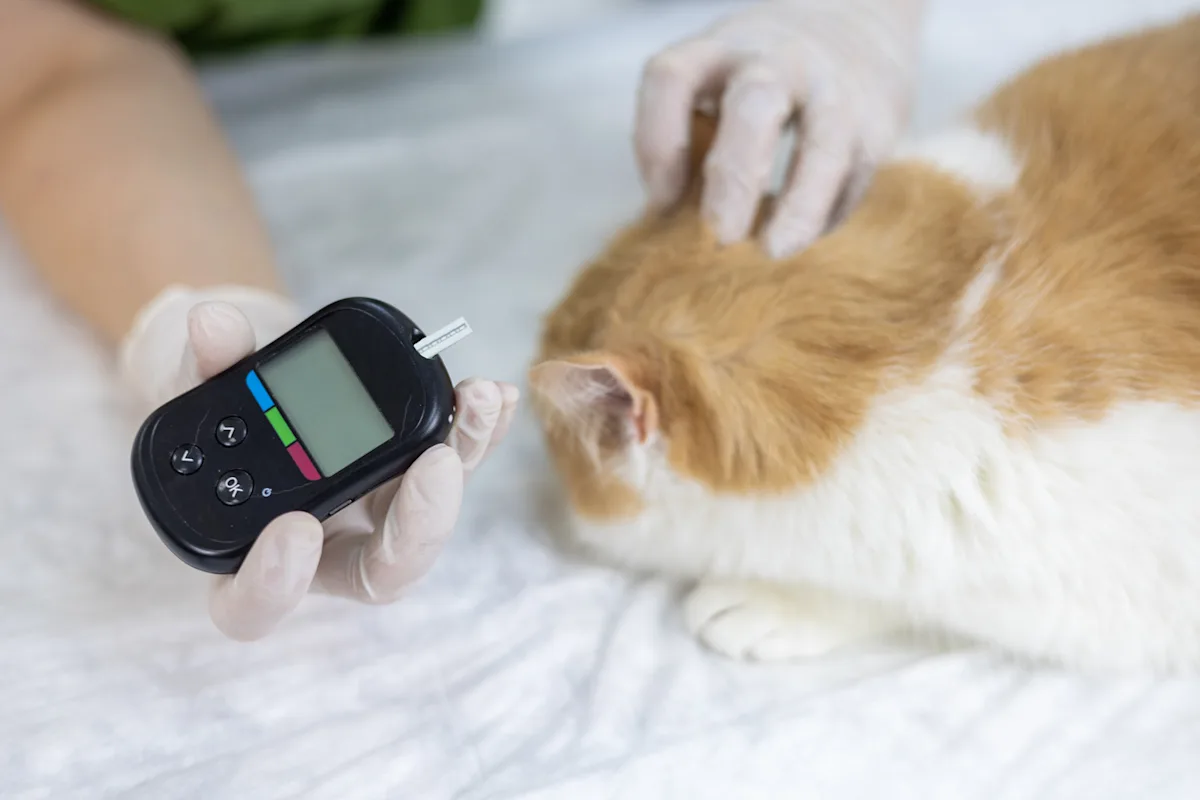
Diabetic ketoacidosis is potentially life-threatening, so prompt diagnosis is crucial. This retrospective study asks how many cases of DKA are missed when using traditional criteria.

Total thyroxine (T4) values in the reference range do not necessarily rule out hyperthyroidism in cats. Consider a new way to look at thyroid testing.
Recommended Reading
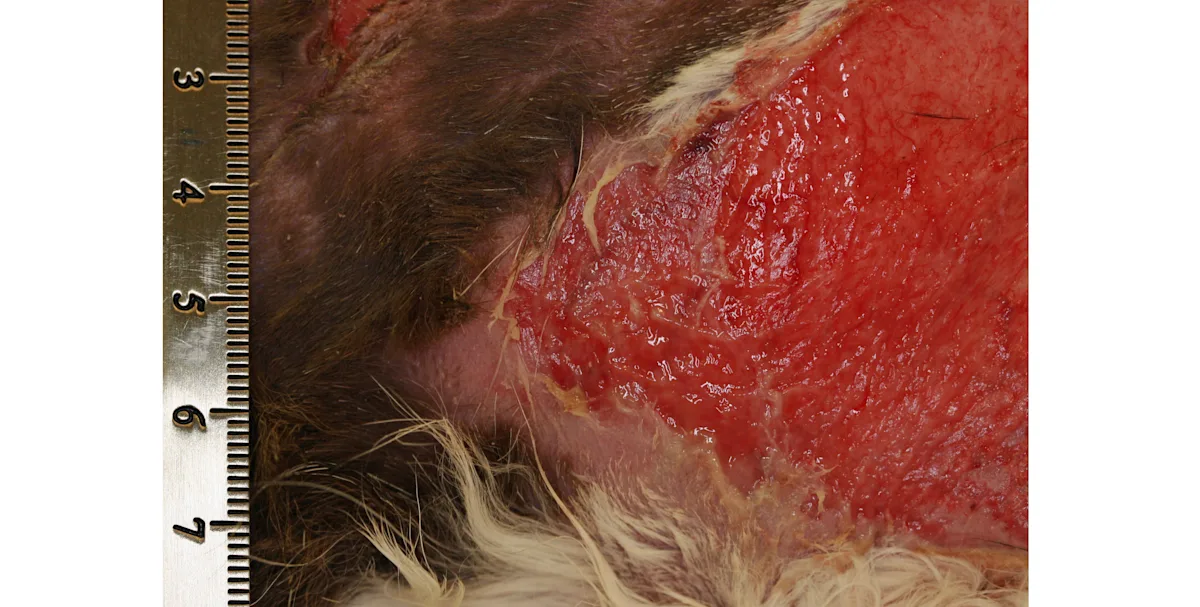
View clinical photos of feline skin fragility syndrome (FSFS) and gain insights into prognosis, differential diagnoses, and more of this dermatologic emergency.

When insulin adjustments fail to achieve glycemic control, something else is usually driving the problem. Follow this case to see how comorbidities and daily management challenges contributed to poor diabetes regulation.

Radioiodine (I131) is highly successful for treatment of feline hyperthyroidism, but failures do occur. Follow these guidelines for monitoring and managing I131 treatment failures.

Diabetic patients require multiple special considerations. See how your treatment strategies compare with this expert's top 5 management goals of treatment for dogs and cats.