Urinary Tract Disease
From blocked cats to incontinent dogs, there are a myriad of urinary tract disorders that require a clinician’s attention, whether it be for emergent treatment or chronic management. This helpful resource provides practical guidance to help clinicians navigate these common clinical problems.
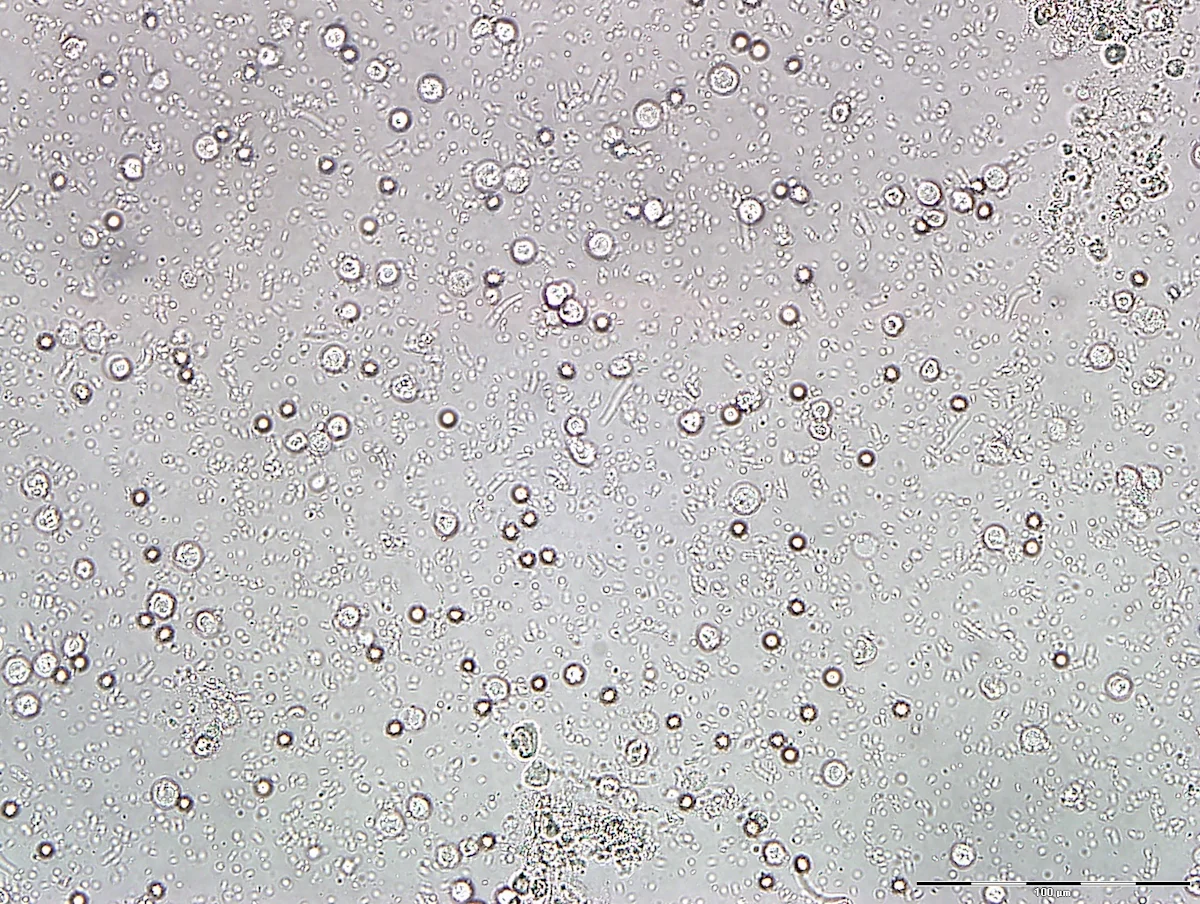
Explore More Urinary Tract Disease

Performing a cystotomy? This step-by-step guide offers tips on everything from positioning and entry to catheterization and suture techniques so you can operate with confidence.
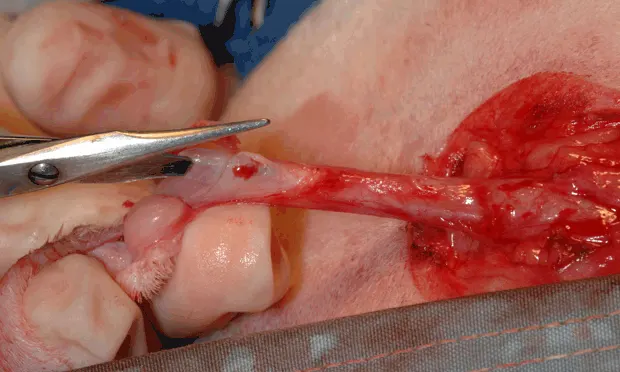
Perineal urethrostomy is indicated in cats with irresolvable or recurrent urethral obstructions. Review this step-by-step surgical guide.
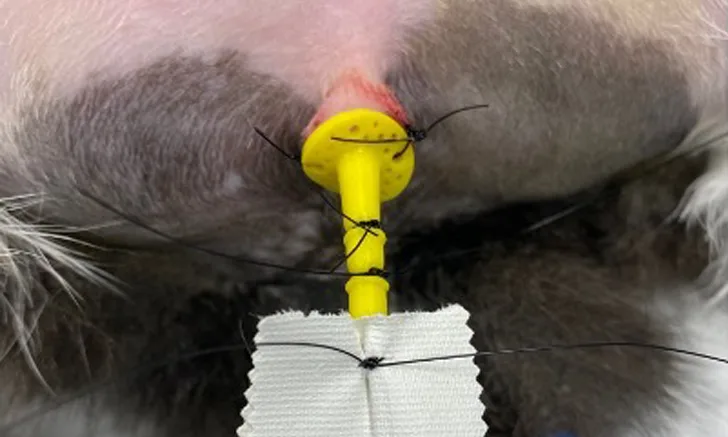
Indwelling urinary catheters can result in significant patient morbidity and mortality at an incidence rate of up to 50%. Discover the most common complications and the placement and management strategies to help prevent them.
Test Yourself
Clinical Challenge
Poll
Quiz
Clinical Image
Fact or Fib?
Clinical Scenario

Listen In
Clinician's Brief Podcast
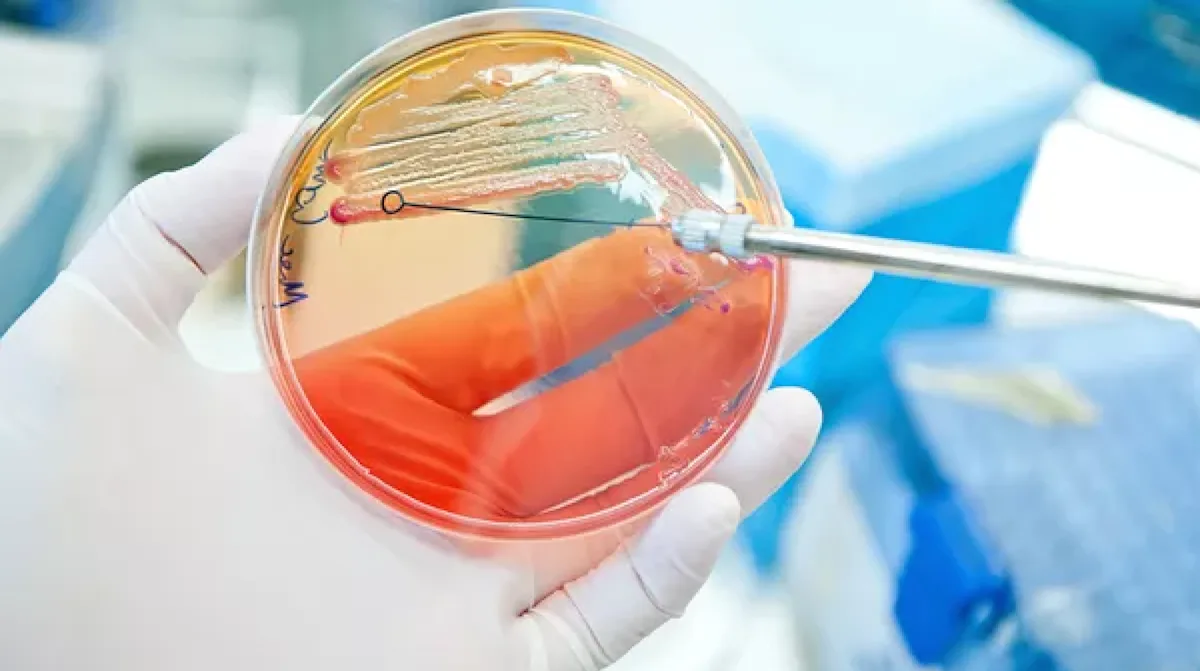
Dr. Dowling breaks down the diagnosis of bacterial cystitis—including how it may be overdiagnosed—and reviews the current categories of sporadic versus recurrent bacterial cystitis. She also provides useful details about why amoxicillin is the go-to first-choice treatment and shares other antibiotic options to choose from, if you must.
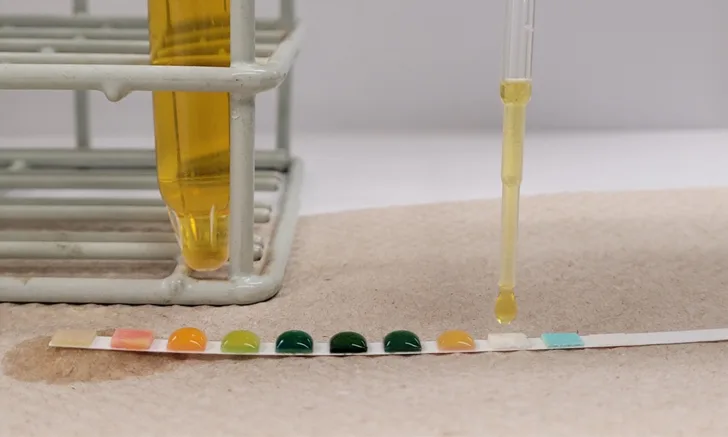
Dr. Chu discusses the most common reasons veterinarians skip this vital diagnostic step and how to perform in-house urinalysis both more efficiently and accurately.
Preview Plumb's
See how Plumb's can answer your treatment FAQs for urinary tract diseases

Continuing Education
Get 1 hour of CE credit with this free course.
2-Minute Takeaways
UTIs can negatively impact glycemic control in diabetic dogs, but does bacteriuria always equal infection? A retrospective study aimed to uncover rates of subclinical bacteriuria in diabetic dogs.
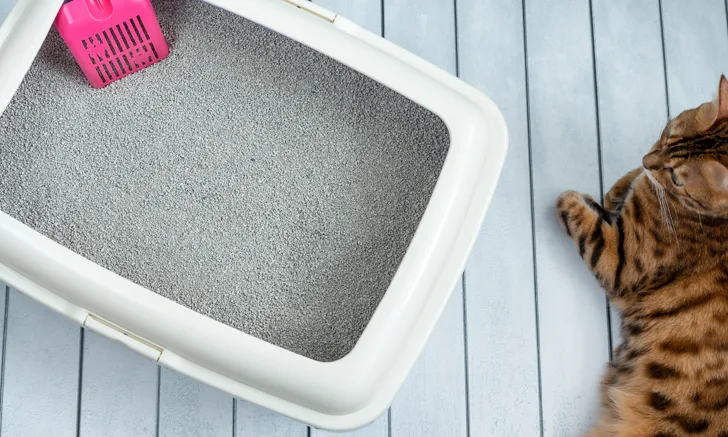
Although feline idiopathic cystitis (FIC) usually self-resolves, periuria and recurrence may lead to extreme outcomes (eg, surrender, euthanasia). Discover the long-term rates of recurrence and mortality in cats diagnosed with FIC.
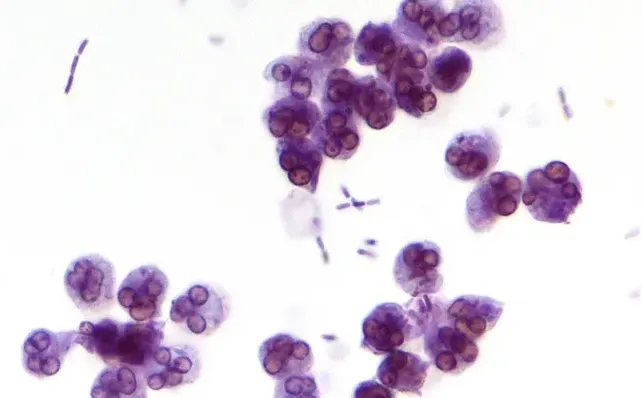
Antimicrobial resistance remains an ongoing issue in veterinary medicine. Find out what this study uncovered regarding the problem of resistance in cases of canine UTI.
Prolonged urethral obstruction in cats can lead to postrenal azotemia and other complications. Discover what this study found when evaluating decompressive cystocentesis as a means to facilitate urethral catheterization.
Recommended Reading
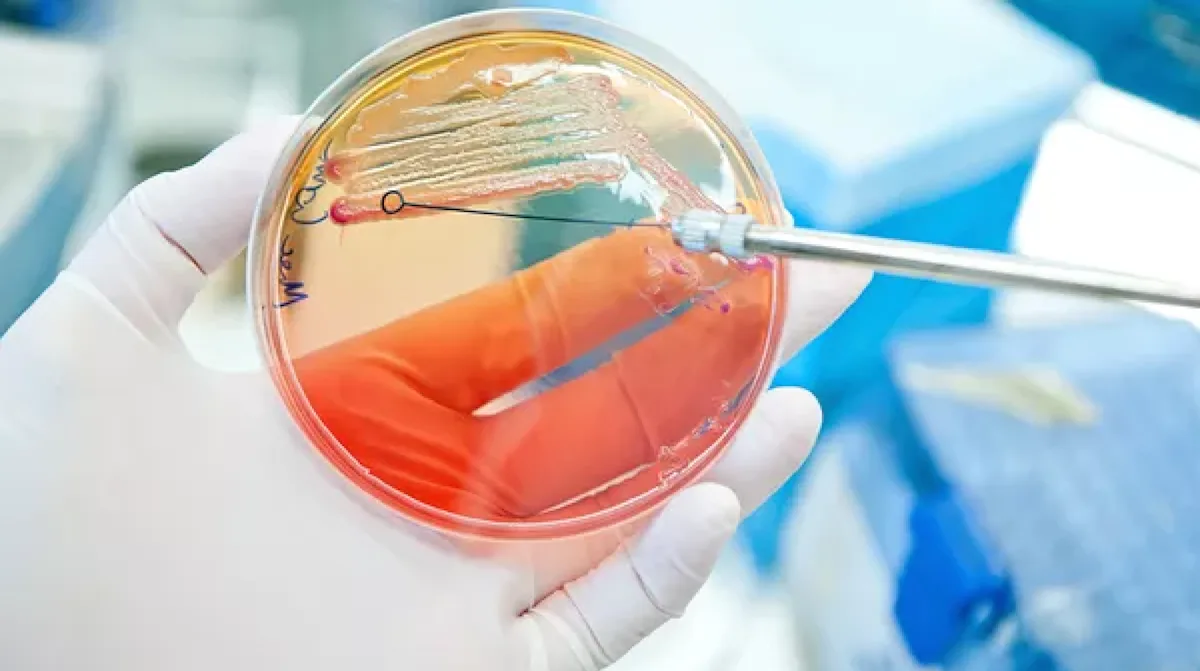
Updated antimicrobial stewardship standards require accurate diagnosis and an appropriate treatment regimen when treating UTIs in dogs and cats. Use this guide to ensure your protocol is in line with best practices.

Renal disease and lower urinary tract disorders are common in both general practice and specialty care, with therapeutic options that are evolving and expanding. Test your knowledge of current best practice through a case-based quiz.
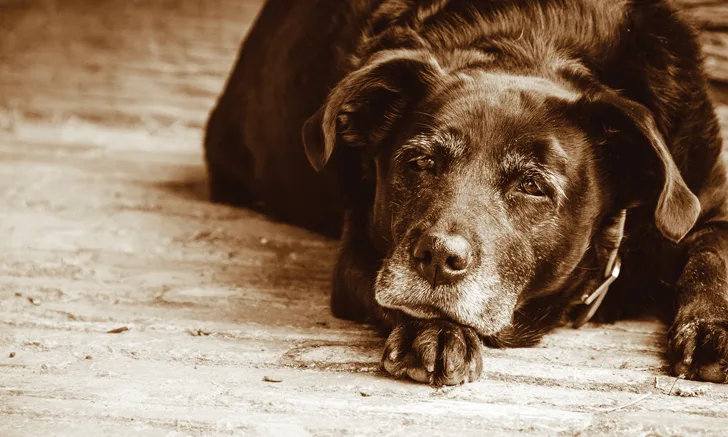
Review key therapeutic options to manage urinary incontinence in dogs and cats.
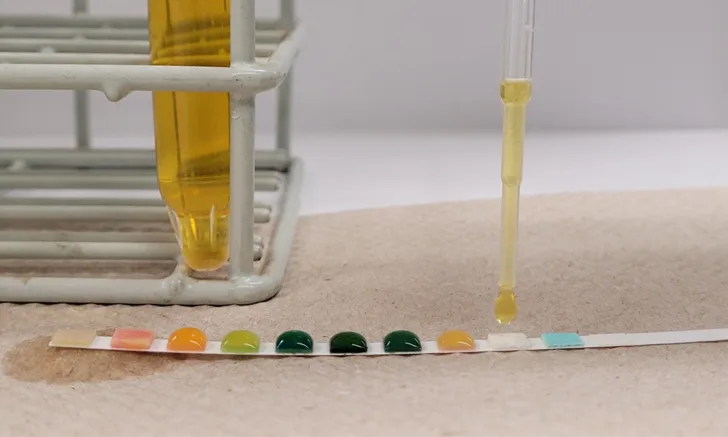
Although urinalysis is easily performed in house and requires minimal specialized equipment, errors in sample handling and results interpretation are not uncommon. Avoid these top 5 pitfalls to ensure accurate and artifact-free results.