Canine Atopic Dermatitis
There is not a day in the clinic without an itchy dog on the schedule, but options for managing these cases have widened in recent years. This resource can help with identification and effective management of dogs with atopy and related conditions, allowing the best treatment tailored for every patient.
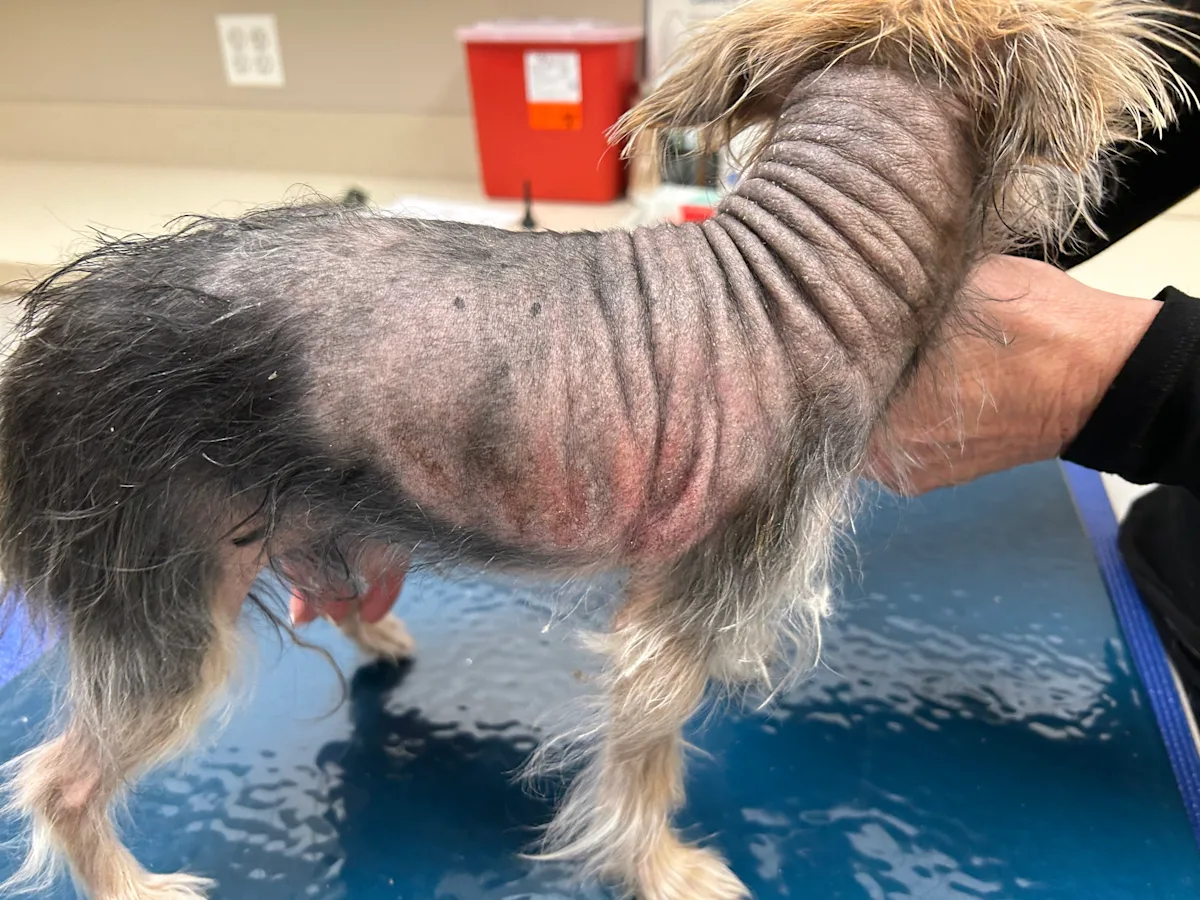
Explore More About Canine Atopic Dermatitis

Pruritus in dogs and cats has many causes. Recognizing these triggers is key to identifying the underlying etiology and tailoring treatment.
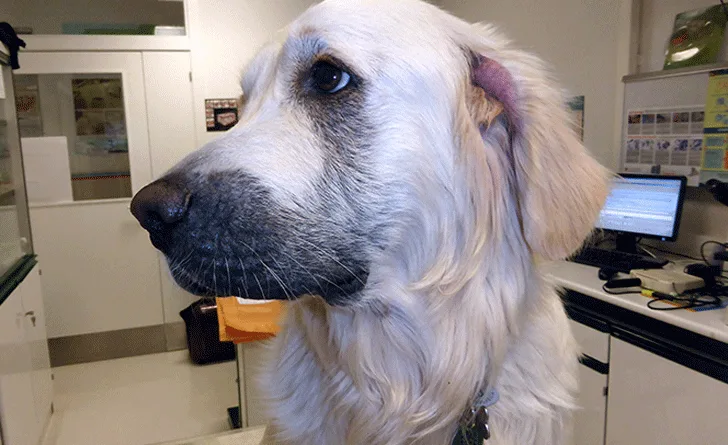
Canine atopic dermatitis is a common but complex disease. Test yourself on the clinical signs and diagnosis.
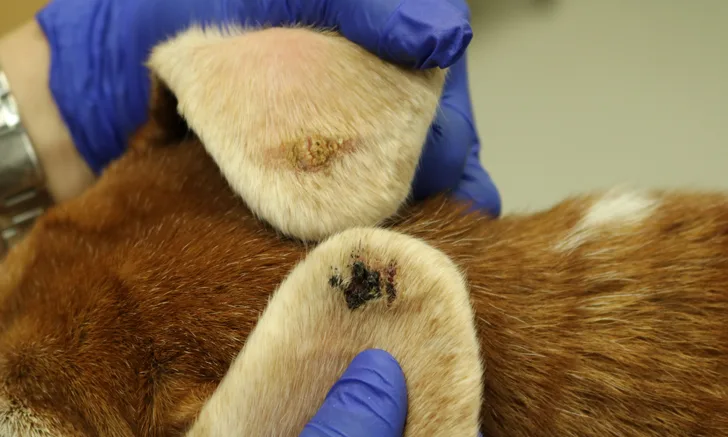
Pentoxifylline has many uses in veterinary medicine. Delve into these 5 common indications for pentoxifylline in dermatology.
Test Yourself
Clinical Challenge
Poll
Quiz
Clinical Image
Fact or Fib?
Clinical Scenario

Listen In
Clinician's Brief Podcast
Preview Plumb's
See how Plumb's can answer your treatment FAQs for GI diseases.

Continuing Education Opportunities

Anal sac issues are messy—but managing them doesn’t have to be. Get expert answers to your toughest questions in this free, interactive webinar powered by Standards of Care™.
2-Minute Takeaways
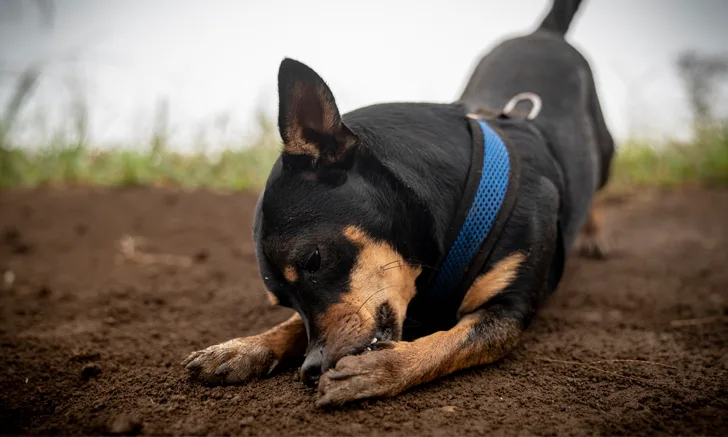
Allergen-specific immunotherapy is the only therapy for atopic dermatitis that can reduce allergic reactivity, making it an invaluable primary treatment. Discover its efficacy in controlling clinical signs and reducing concurrent use of antipruritic drugs in atopic dogs.

Oclacitinib provides effective itch relief for many dogs with atopic dermatitis, but rebound pruritus often occurs at once-a-day dosing. Researchers asked if short-term coadministration with prednisolone can help.

Pet owners may experience caregiver burden when complex treatments are recommended for allergic patients. Read an expert analysis on how this potentially affects the patient and what you can do to prevent it.
Recommended Reading

A Chihuahua is presented for recurrent anal sacculitis and facial pruritus that are nonresponsive to management. What would you try next?
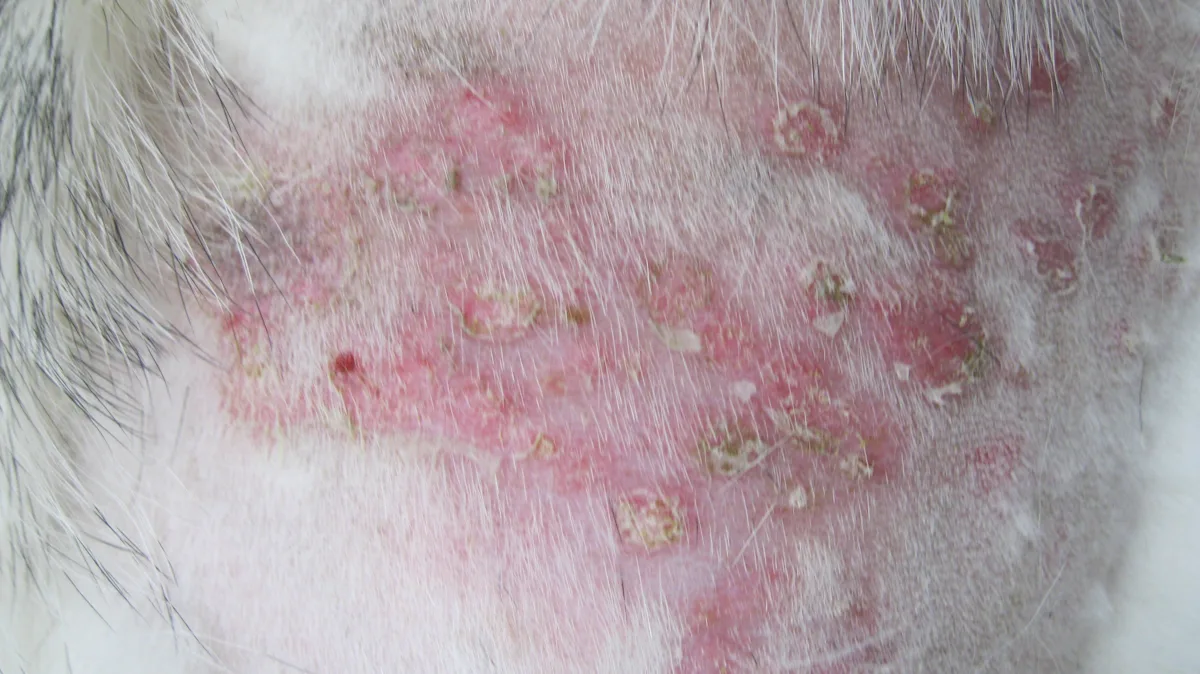
Skin infections in veterinary patients are commonly treated with systemic antibiotics, but topical therapies can be used as well. Try these top five options.

Allergen-specific immunotherapy is the only treatment that alters the course of canine atopic dermatitis but can take up to a year to produce results. Researchers asked if accelerated induction protocols can achieve the same response in less time.