Heart Failure
Although heart disease in cats and dogs is common, advancements in treatment have enabled these patients to live longer and have a better quality of life. This resource can help you navigate diagnosis and management of heart disease in your patients.
Explore More About Heart Failure

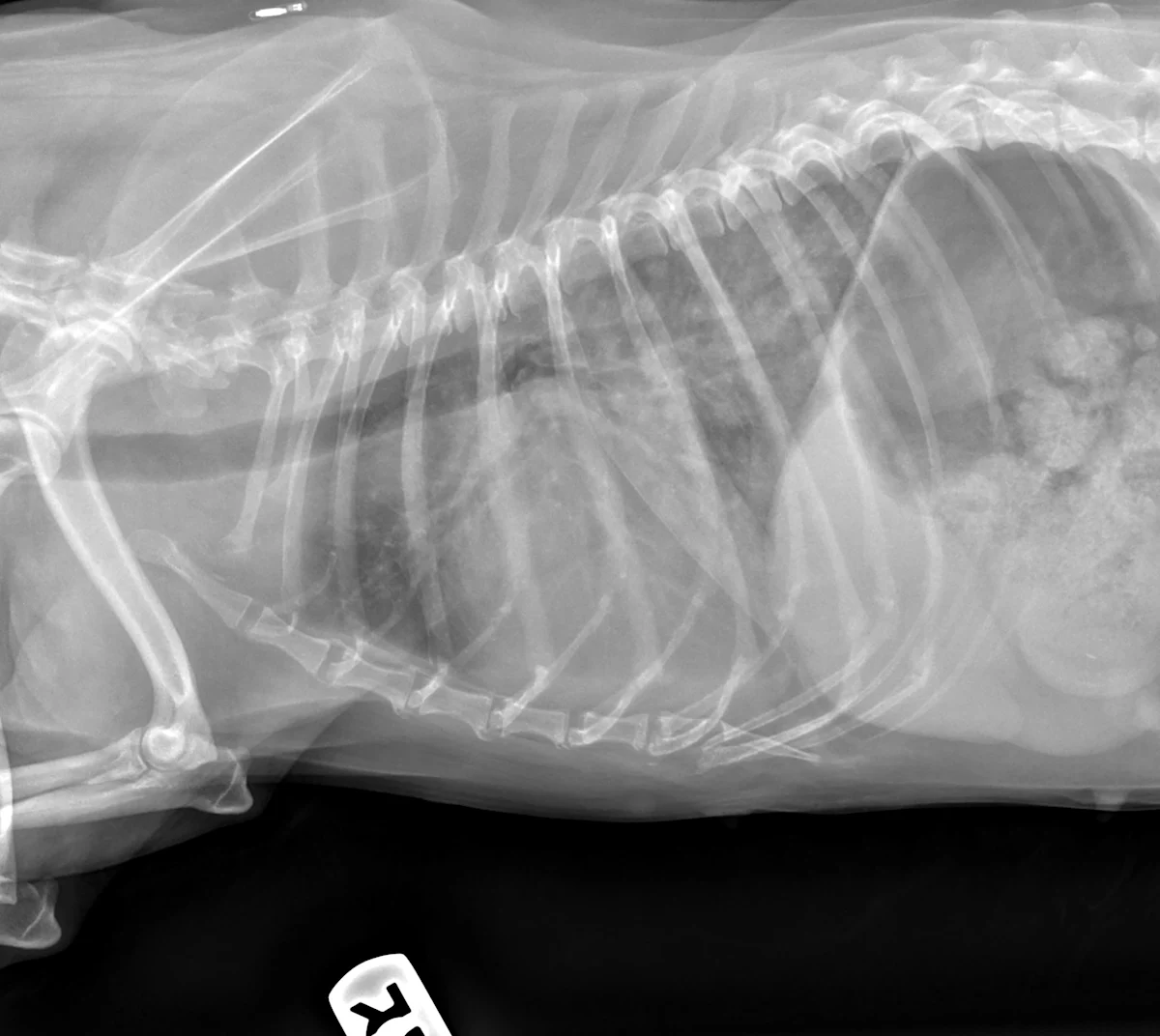
The fact that pericardial effusion is relatively uncommon underscores the need to review its causes, clinical signs, examination findings, and management.
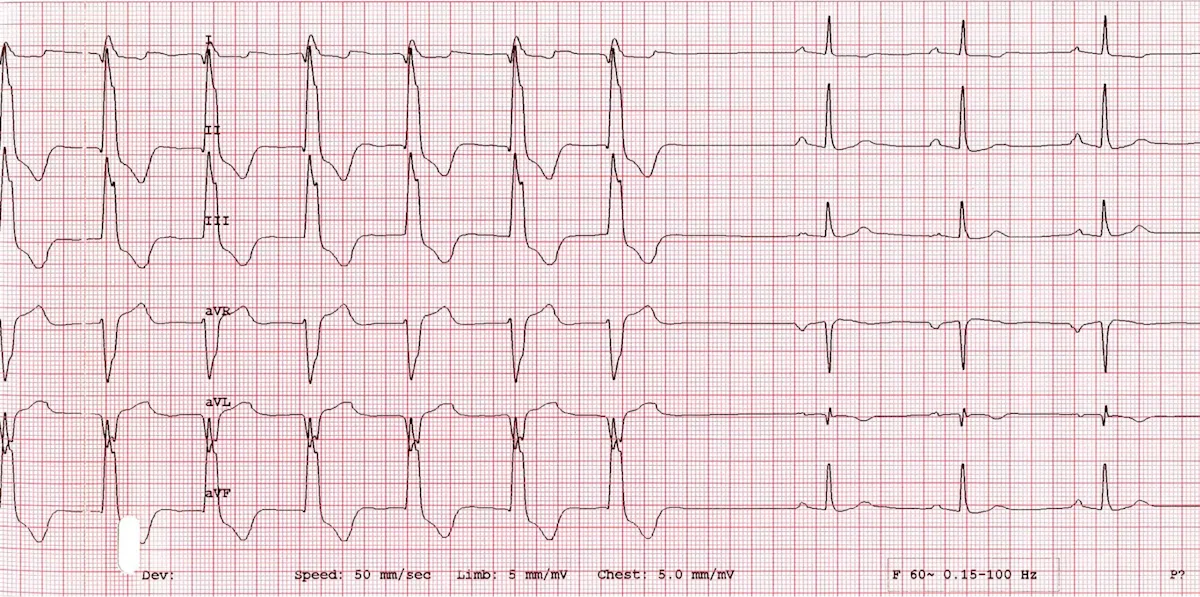
Correctly identifying an arrhythmia starts with understanding cardiac conduction. Review normal cardiac conductivity and waveforms as well as what happens when abnormalities in this system lead to arrhythmias.
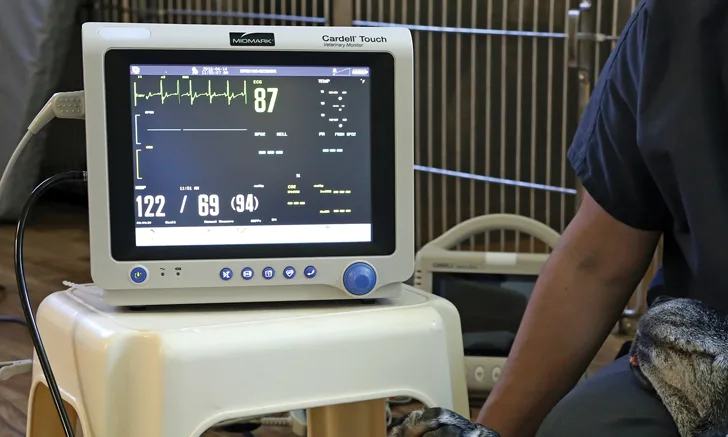
Obtaining a complete history is an essential step in a cardiac workup, and answers to these key questions will facilitate the diagnostic process.
Test Yourself
Clinical Challenge
Poll
Quiz
Clinical Image
Fact or Fib?
Clinical Scenario

Listen In
Clinician's Brief Podcast

Dr. Eriksson De Rezende covers a variety of presentations, the full list of diagnostics (including NT-proBNP), the virtues of sedation, and therapies ranging from the mainstays to that new sirolimus drug.

Dr. Estrada shares how to effectively use ECG in general practice and reviews a comprehensive list of arrhythmias that clinician's may encounter, including those that could mean trouble.
Preview Plumb's
See how Plumb's can answer your treatment FAQs for heart failure.


2-Minute Takeaways

Inhibition of the renin–angiotensin–aldosterone system is a critical part of treatment for congestive heart failure in dogs. Could combining an aldosterone antagonist with an ACE inhibitor improve outcomes?

Do you recommend a recheck or immediate echocardiography for a cat with a new murmur? Researchers looked for an objective marker on thoracic radiographs to help answer this question.
Recommended Reading
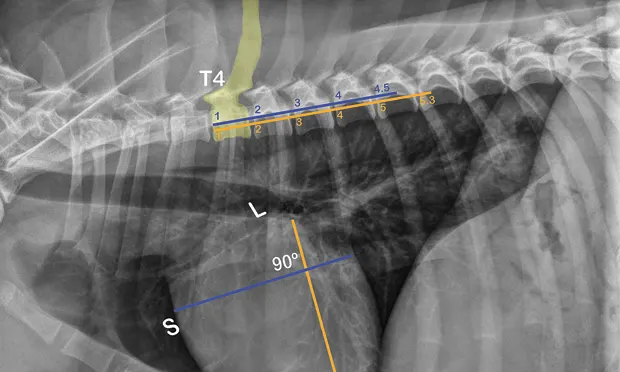
This cardiologist guides you through calculating a vertebral heart scale, its uses, and interpreting findings.
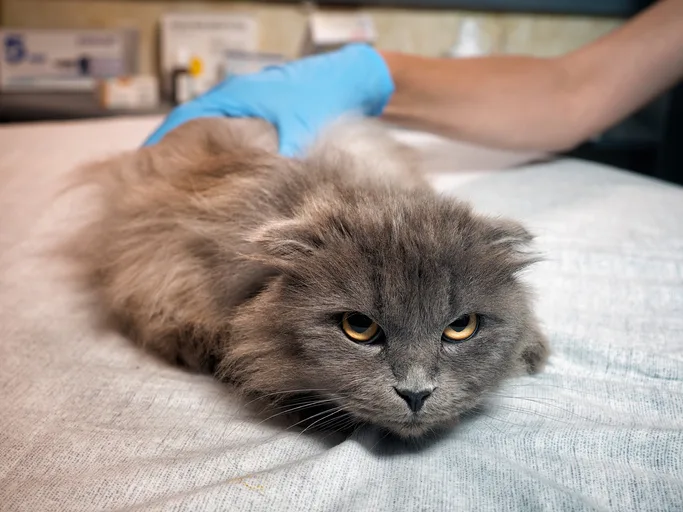
Cardiac troponin I is a biomarker of myocardial cell injury. How useful is cTnI testing when assessing risk for hypertrophic cardiomyopathy in cats?
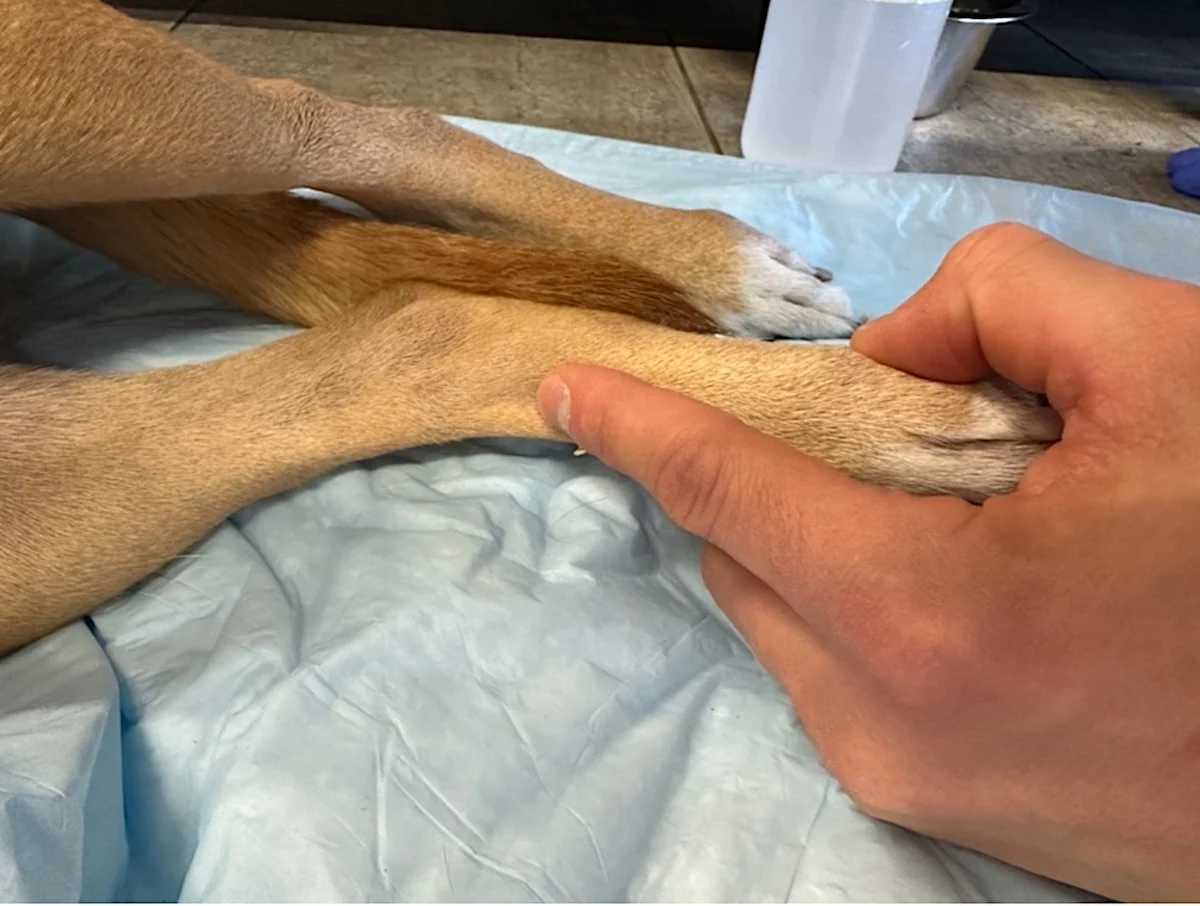
Pulse assessment is a crucial part of every patient’s physical examination. Learning the proper methods for obtaining an accurate heart rate, rhythm, and pulse quality is crucial for the assessment of systemic health and treatment recommendations.