Fractures
Orthopedic referral is not always feasible or even necessary. There are many opportunities to practice your orthopedic skills in general practice. Explore this resource to learn more about managing fractures in dogs and cats.
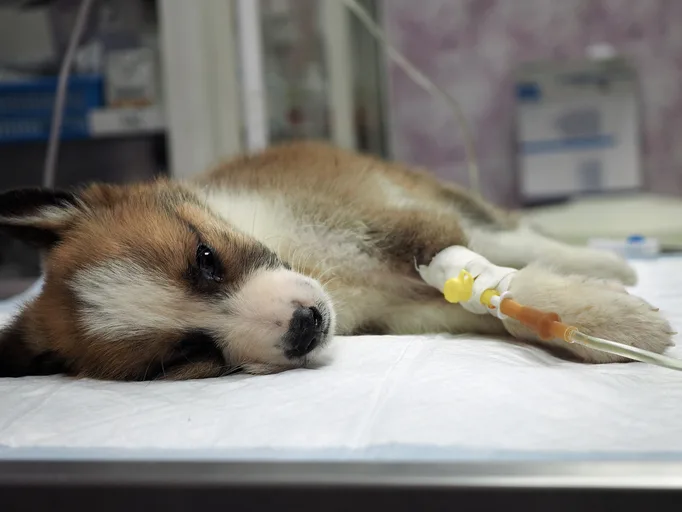
Explore More About Fractures

These 9 steps demonstrate a thoracic limb amputation procedure that does not require bone cutting and carries low risk for pressure necrosis.

Pelvic fractures can have a good prognosis with treatment. Discover how to diagnose these fractures and select the best treatment for your patients.
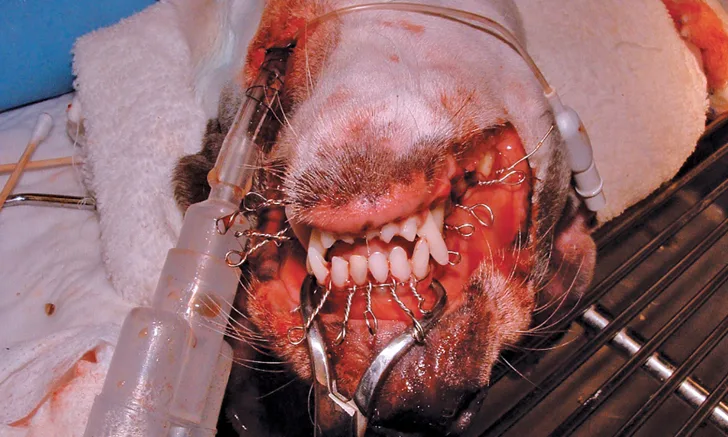
Trauma from motor vehicles, bites, or falls can result in maxillary and mandibular fractures. Review common causes, diagnostic methods, and treatment options for jaw fractures.
Test Yourself
Clinical Challenge
Quiz
Clinical Image
Fact or Fib?
Clinical Scenario

Listen In
Clinician's Brief Podcast
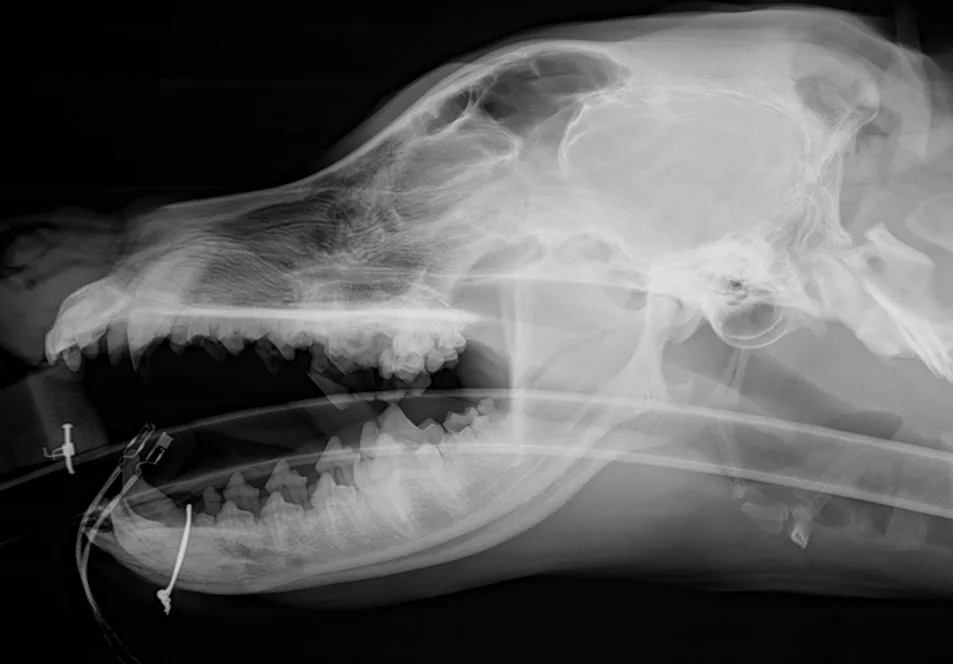
Although not common, this podcast reviews the situations typically associated with jaw fractures, explains why jaw fractures are challenging for clients to notice and veterinarians to diagnose, and discusses treatment options and postoperative care.
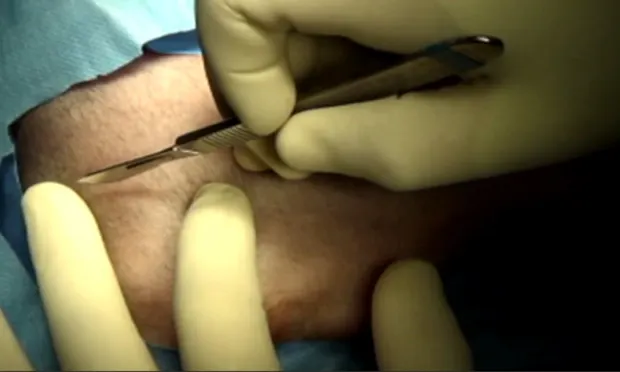
This video demonstrates surgical guidance, techniques, and important anatomic landmarks for performing a femoral head osteotomy.
Preview Plumb's
See how Plumb's can answer your treatment FAQs for fractures.


2-Minute Takeaways
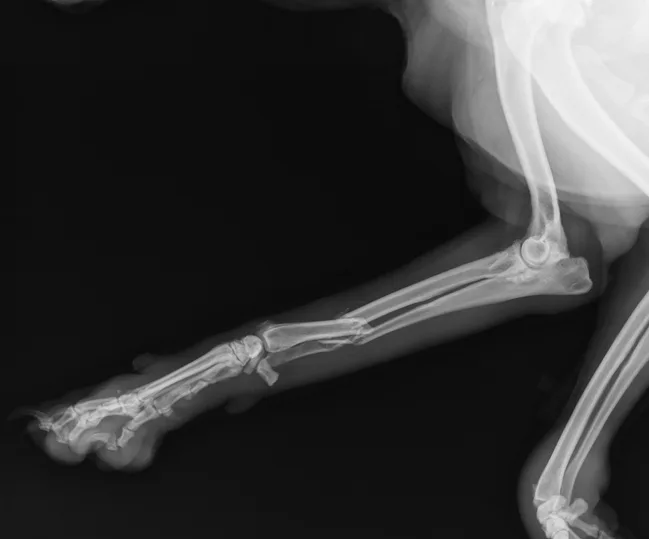
Delayed union and nonunion of fractures are serious complications of bone healing. A recent retrospective study looked at 442 dogs with appendicular, vertebral, and mandibular fractures to identify risk factors for poor healing.

Pelvic fractures are common in feline patients. Discover what this study found when examining pelvic fracture types, concurrent injuries, and outcomes.

Bone fractures in rabbits are relatively common, and managing them can be challenging. Use the right approach when handling these fragile patients.

External fixators are helpful in correcting certain feline fractures but are not without complications. One study evaluated the most common issues surrounding this method of treatment.
Recommended Reading
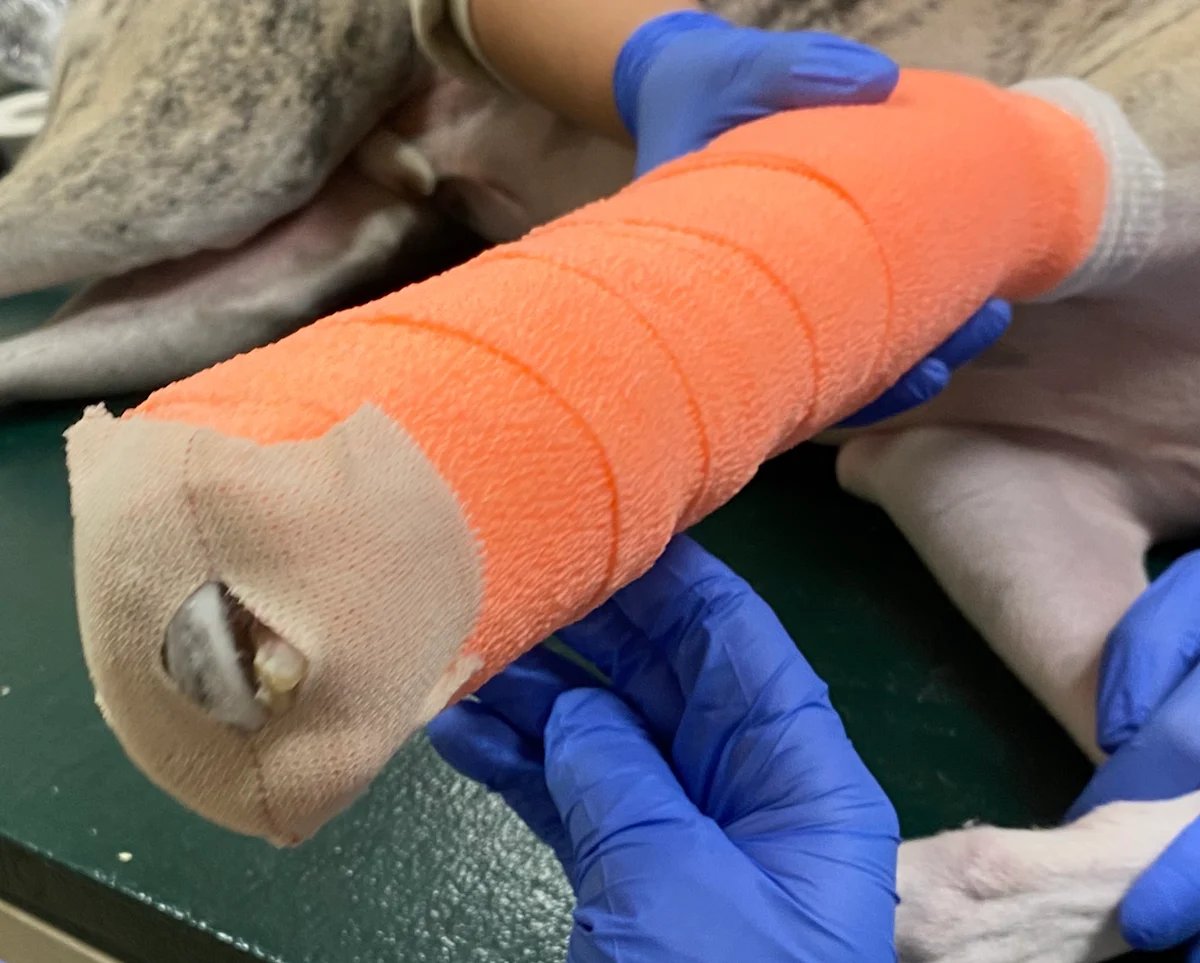
To prevent soft tissue complications, splints must be applied with careful attention to detail and technique. Improve your outcomes with expert tips and advice from a board-certified surgeon in this step-by-step guide.

A multimodal approach to analgesia provided optimal pain management for a dog with a femoral fracture. Explore a variety of techniques to help keep your patients comfortable.
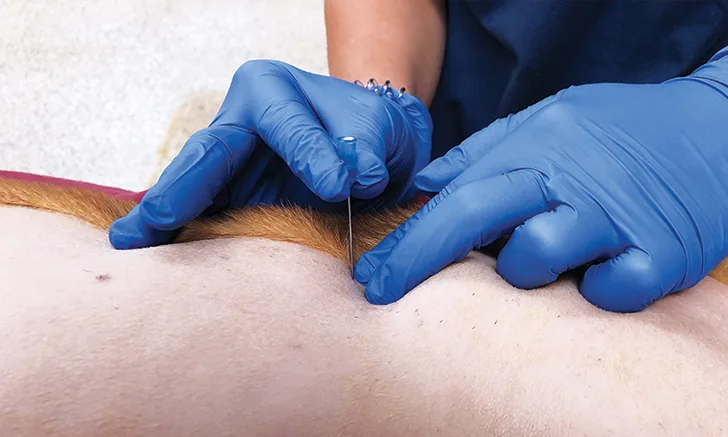
Follow this step-by-step guide to provide safe and effective local analgesia to patients with rib fractures.
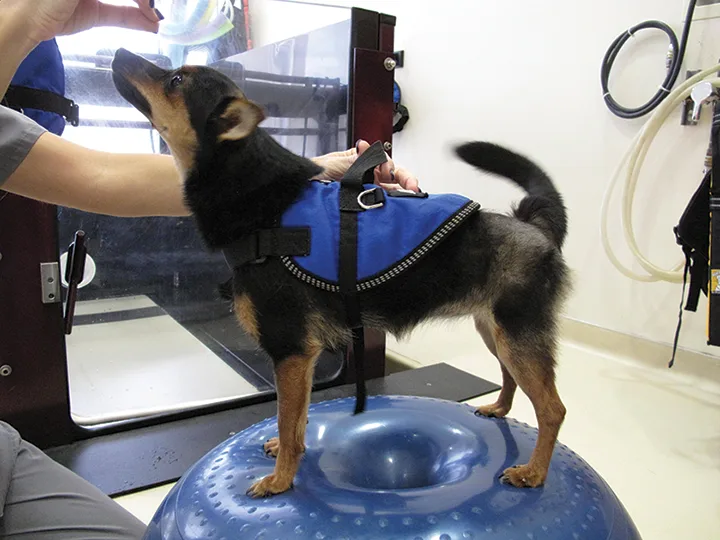
There are many physical rehabilitation exercises that help restore function and prevent reinjury. Which therapy should you use and when?