Urinary Tract Diseases: A Brief Review of Medication Therapies
Jim Budde, PharmD, RPh, DICVP, FACVP, Chief Pharmacy Officer, Instinct Science
Background
There are many causes of urinary tract disease. In most conditions, the underlying etiology is multifactorial, and definitive treatment should be directed toward identifying and managing causative factors. The medical management of several urinary tract diseases in dogs and cats is highlighted below.
Bladder Disease
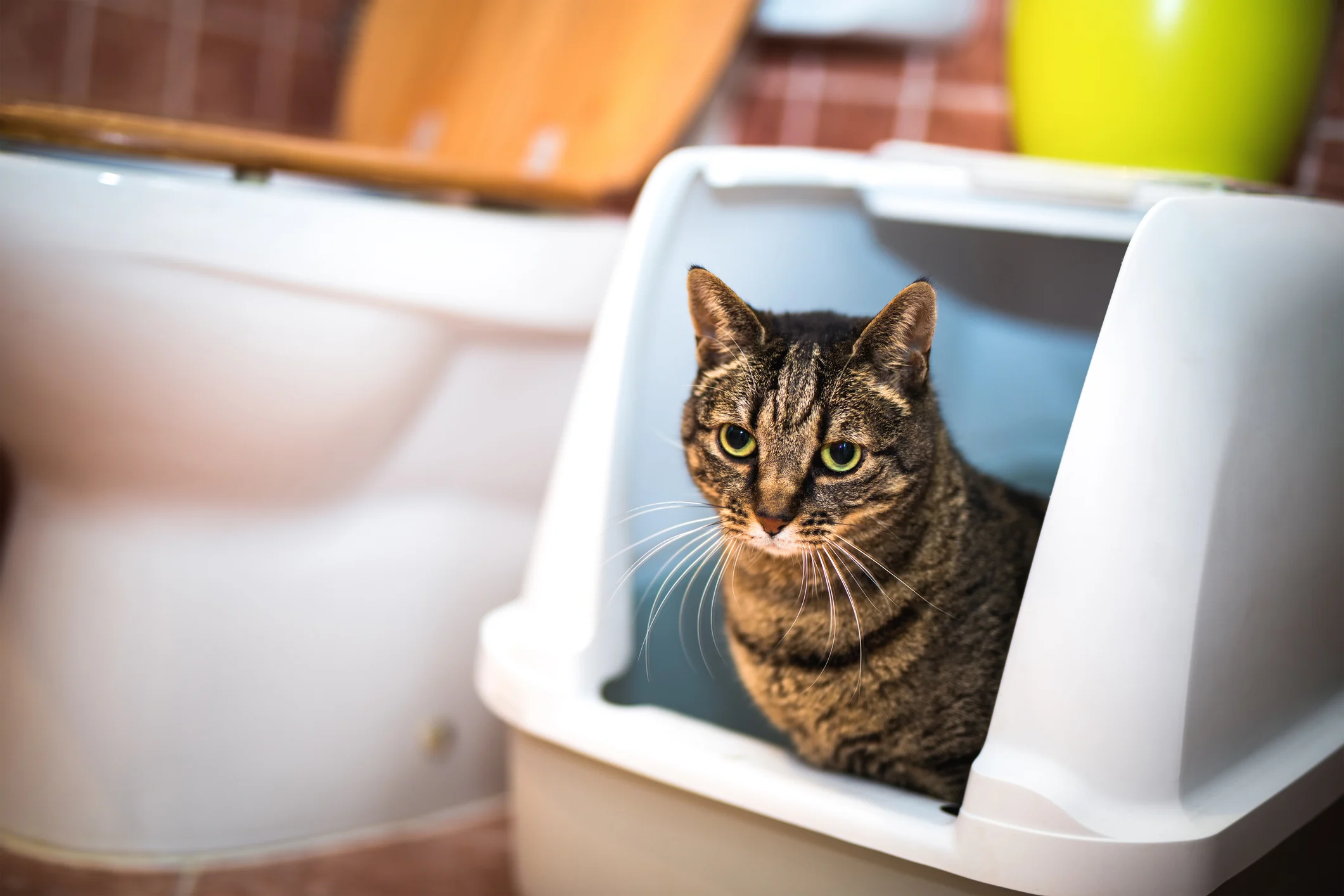
In cats, feline interstitial cystitis (FIC) is the most common cause of lower urinary tract disease, and in young male cats, feline urethral obstruction may be caused by FIC or urolithiasis.1-7 Acute medical treatment of both conditions may include analgesics (eg, buprenorphine and/or NSAIDs [eg, meloxicam, robenacoxib]) to improve comfort and potentially gabapentin or benzodiazepines (eg, alprazolam) to reduce anxiety. In certain cats with chronic FIC, selective serotonin reuptake inhibitors (eg, fluoxetine) or tricyclic antidepressants (eg, amitriptyline, clomipramine) may be needed to reduce urine spraying/marking.8-13
Benzodiazepines also relax urethral skeletal muscle, and although they are not expected to contribute to resolution of the acute obstruction, lorazepam has been shown to prevent recurrent obstruction in male cats.14 Historically, prazosin was prescribed to prevent recurrence of urethral obstruction, but studies have demonstrated that prazosin does not lessen the severity or prevent recurrence of urethral obstruction in male cats and may increase the likelihood of recurrent urethral obstruction.15-17
Another underlying cause for inappropriate elimination is bacterial cystitis, which appears to be a more common cause of clinical signs for dogs than for cats.18,19 Treatment for 3 to 5 days with amoxicillin, amoxicillin/clavulanic acid, or sulfa-/trimethoprim is recommended for sporadic cases20; other antibiotics can be considered based on urine culture results.
Urethral Disease
Acquired urethral sphincter mechanism incompetence (USMI) is the most common cause of incontinence in adult female dogs. Phenylpropanolamine or an estrogen (eg, estriol) is recommended for initial treatment.21 Phenylpropanolamine is recommended as the initial treatment for USMI in male dogs.
Prostatic Disease
In male dogs with benign prostatic hyperplasia, finasteride is often considered the medical treatment of choice. Alpha-1 adrenergic antagonists (eg, tamsulosin), progestogens (eg, medroxyprogesterone) and, in some countries, the anti-androgenic agent osaterone acetate can also be considered.
Management of various urinary tract diseases is continually evolving. Understanding how therapies differ in mechanism, onset, and safety is essential for tailoring treatment to each patient. Detailed information on agent selection and use is available through Plumb’s.