Research Notes
From clinical findings to therapeutic developments, review this quarter's latest research summaries:
Latest Research Notes
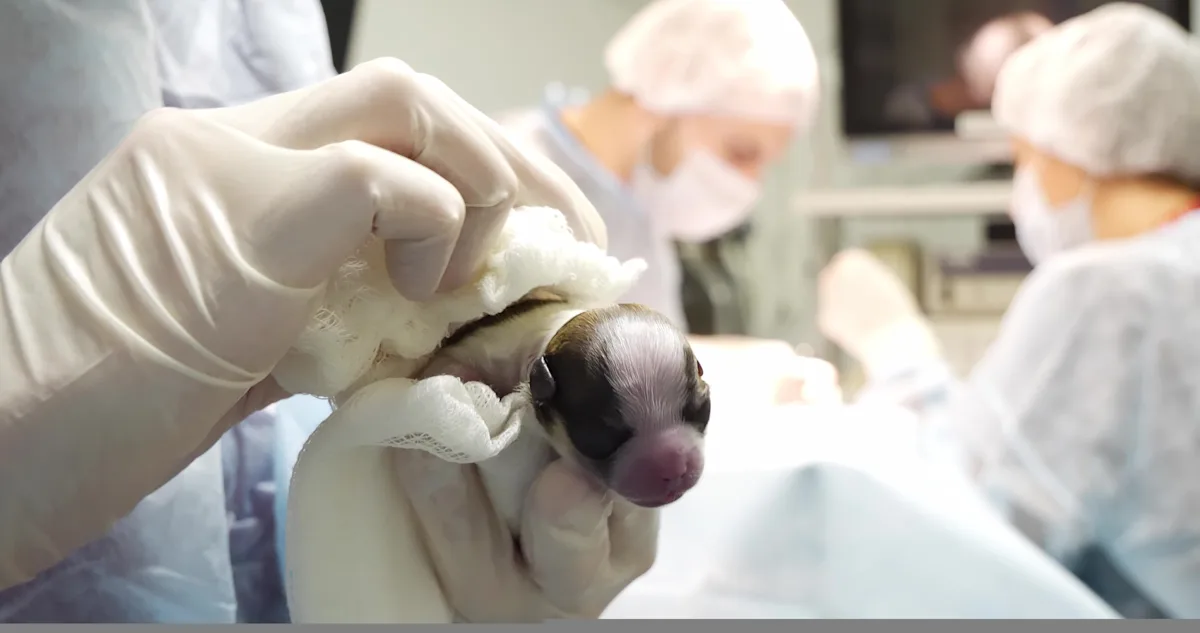
Compare propofol and alfaxalone for anesthetic induction in pregnant dogs and their effects on maternal and neonatal outcomes during cesarean delivery.
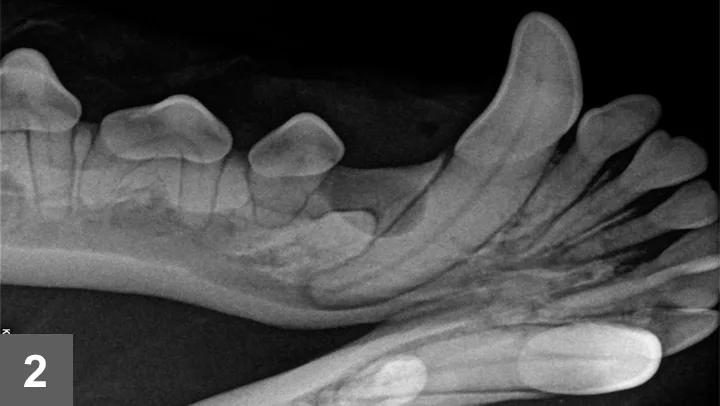
Learn how dentigerous cysts form around unerupted teeth in adult dogs, plus the imaging, diagnosis, and surgical treatment clinicians need to manage them.
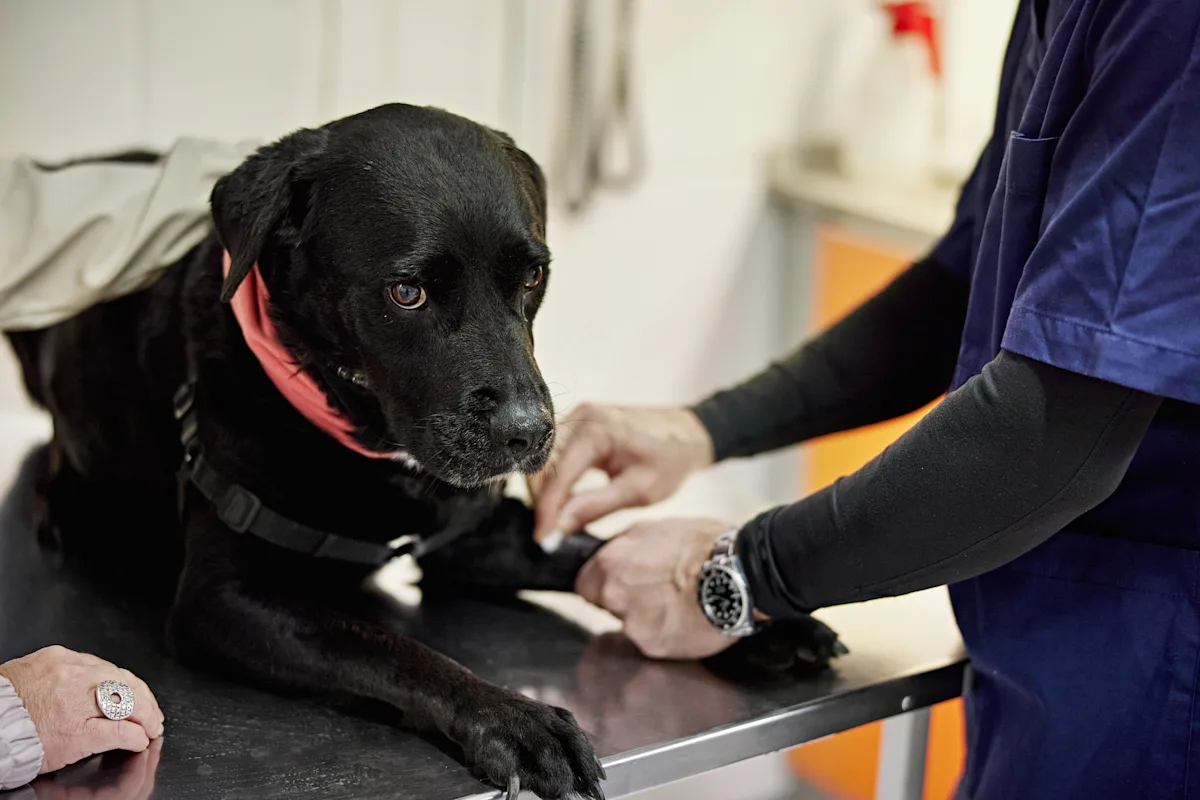
This study evaluated whether results of a veterinary cartridge-based point-of-care viscoelastic coagulation monitor were affected by the blood collection system, sampling site, hematologic parameters, and difficulty of blood sampling.
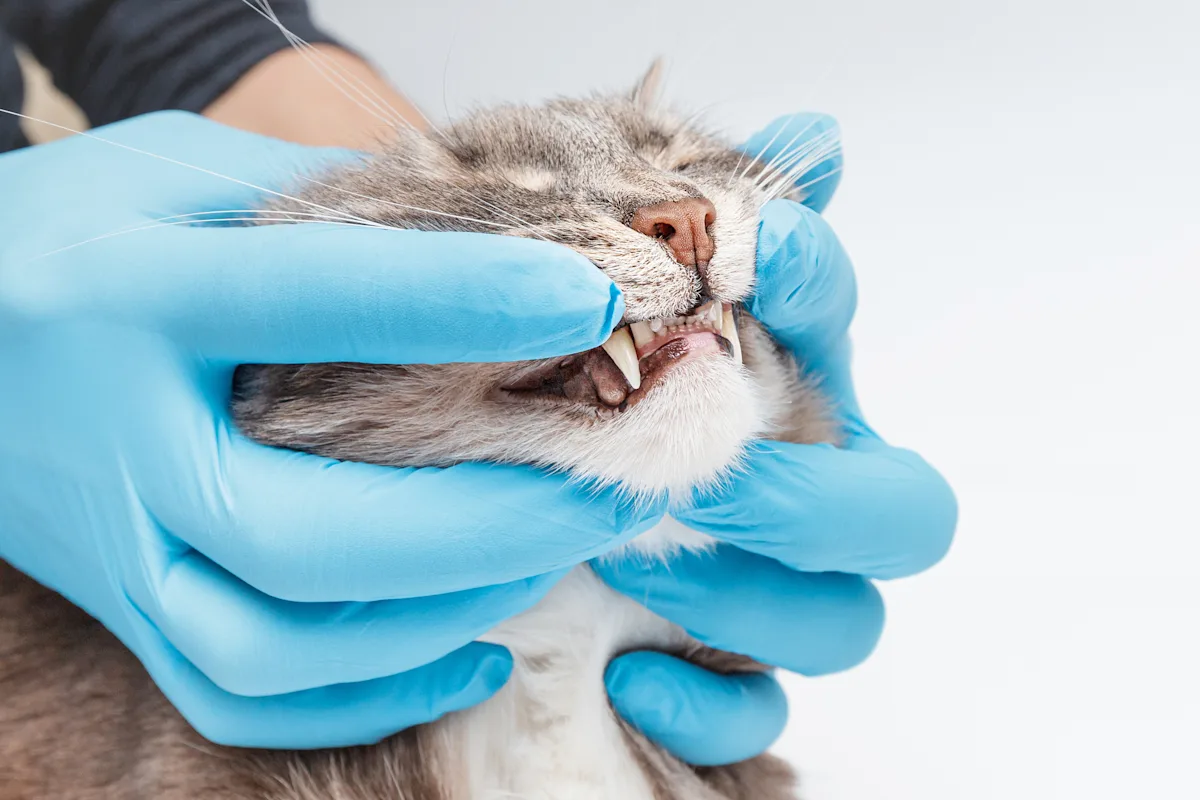
This study evaluated whether therapeutic ultrasound alone or in combination with chlorhexidine can reduce gingivitis, pain, plaque accumulation, and periodontal pocket depth in cats with early-stage periodontal disease.
Read More Research Notes
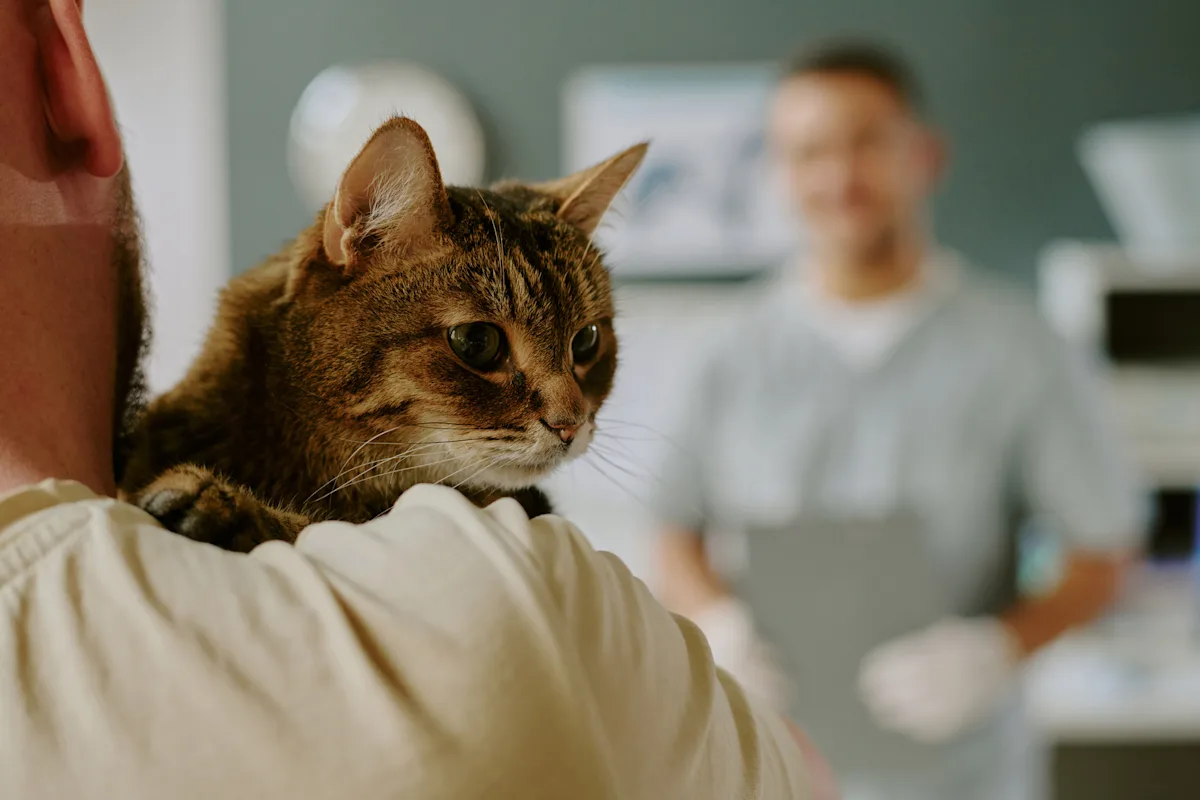
This retrospective study reported on a small cohort of cats with hyperthyroidism presented with clinical signs consistent with paroxysmal dyskinesia, including diagnostic findings, treatment, and outcomes.
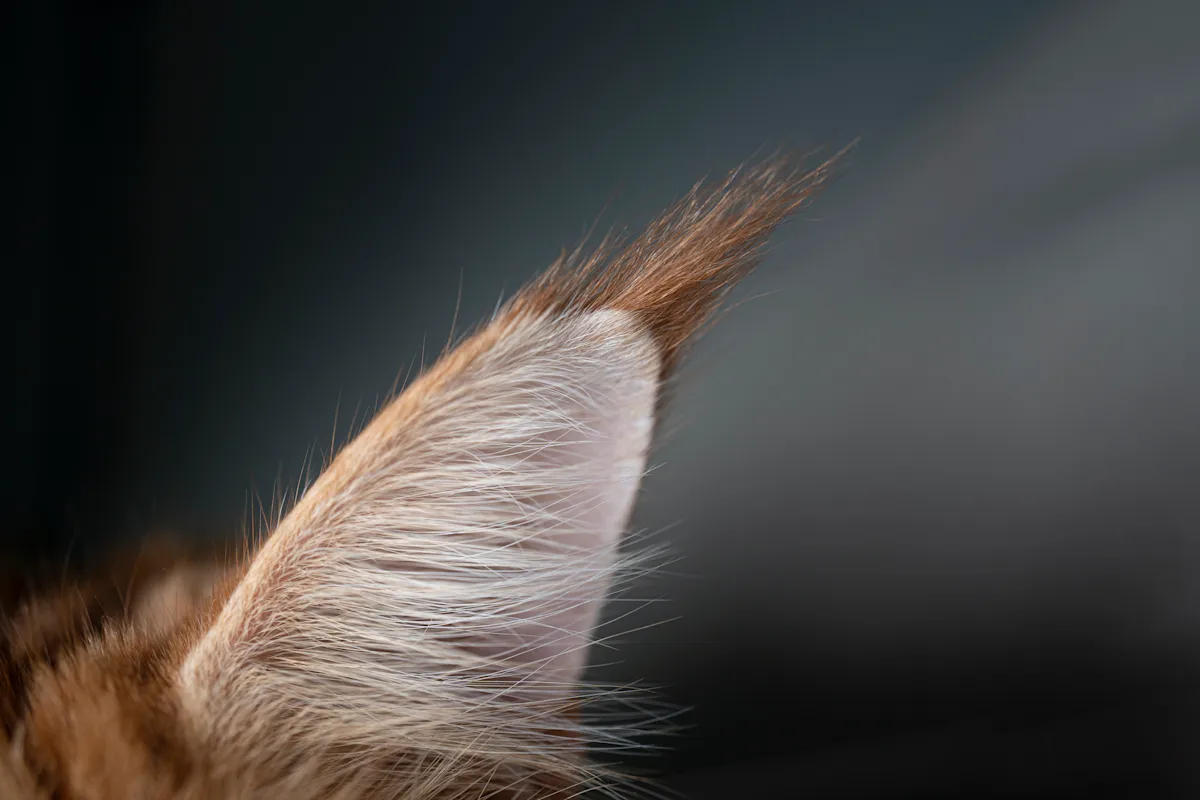
Ensuring complete removal of diseased tissue and residual epithelial lining in ear surgeries can be challenging, but is important to avoid postoperative complications.
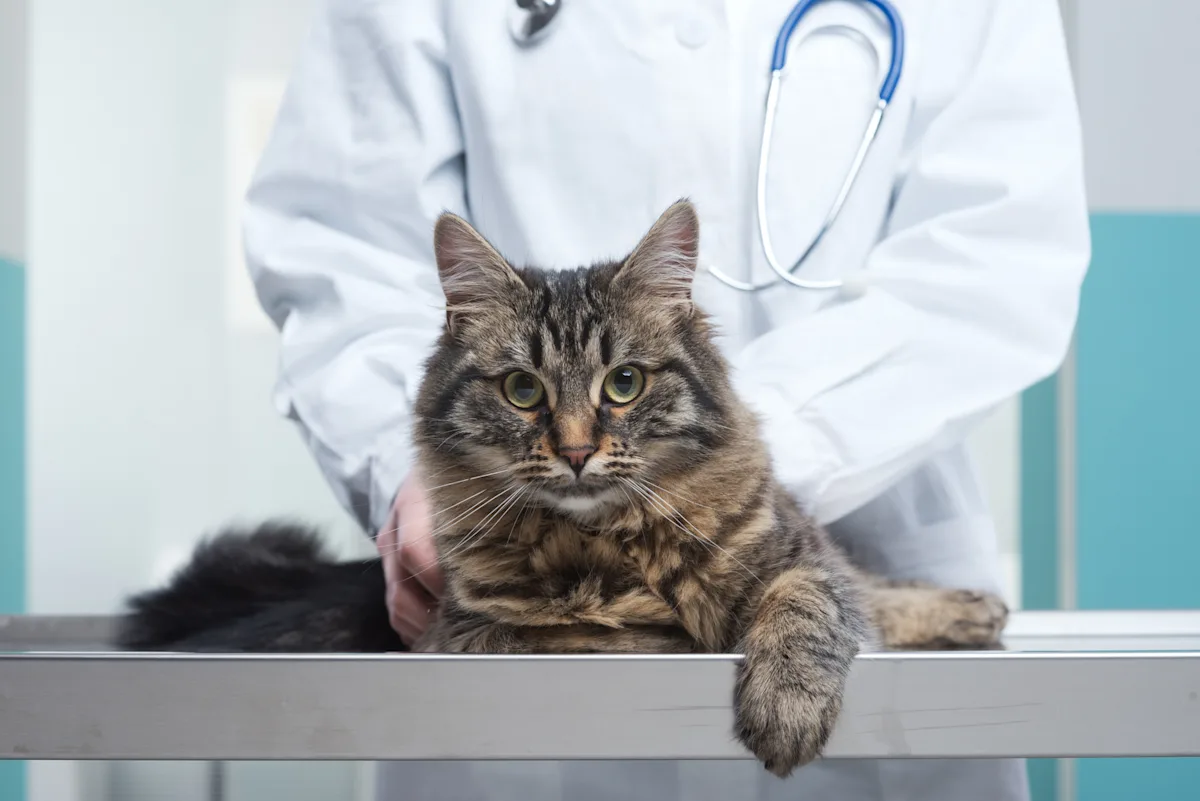
Feline chronic enteropathy includes feline lymphocytic lymphoma (FLL), chronic inflammatory enteropathy (CIE), and food-responsive enteropathies. In this study, abdominal radiation therapy was administered to 14 cats with no previous history of corticosteroid or chemotherapy treatment.
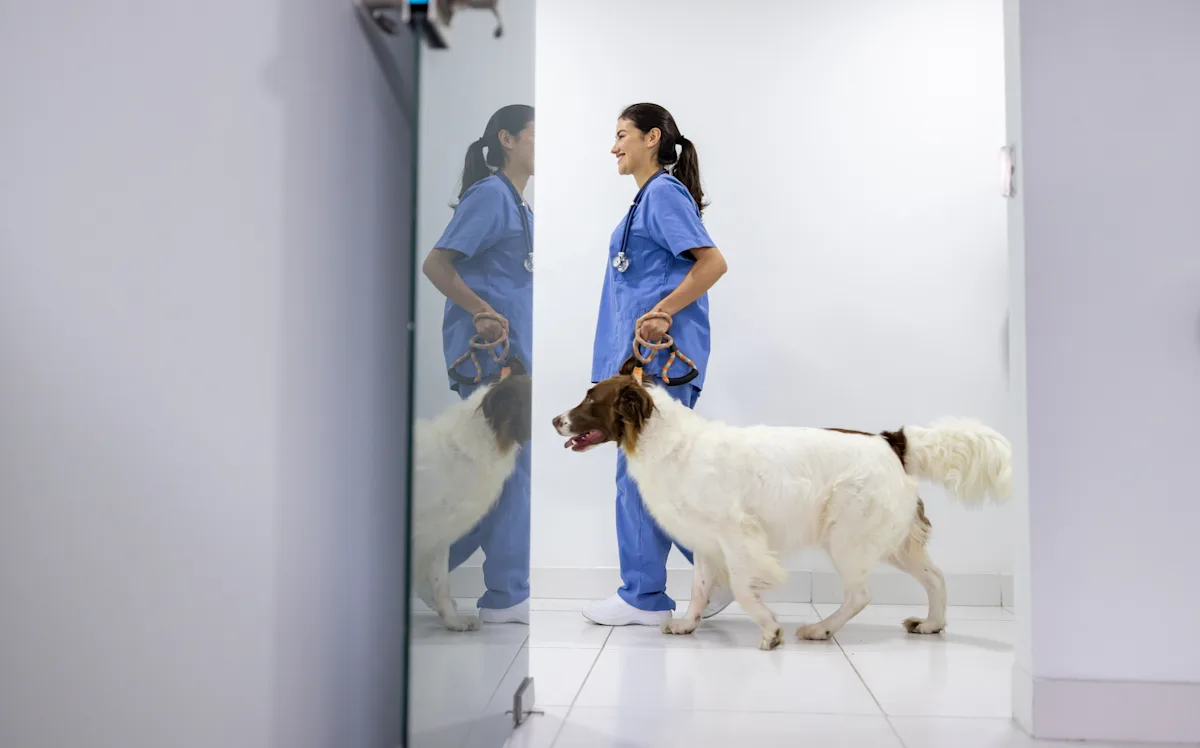
Subjective visual assessment of gait analysis is prone to observer bias and variability among evaluators. This study trained and validated a deep learning–based markerless gait analysis model for use in dogs.
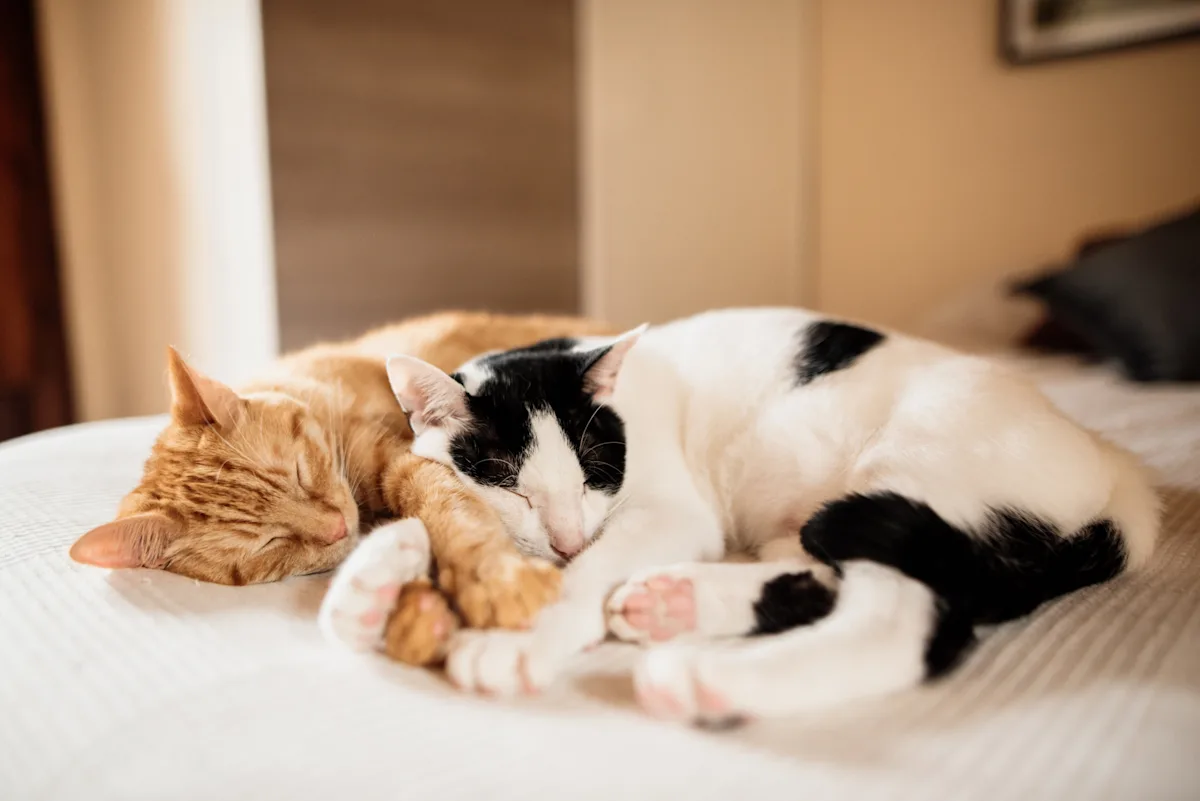
This report assessed whether hair cortisol concentration (HCC) differed between varying hair colors in multicolored cats, as well as whether individual factors (eg, age, sex) and behaviors impacted HCC.
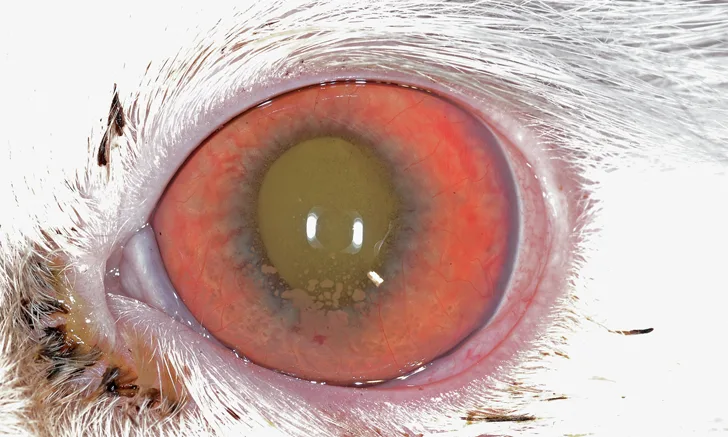
Ocular and neurologic involvement of FIP is seen more frequently in its noneffusive (ie, dry) form and occurs in up to 36% of cases. FIP can be treated with GS-441524; data, however, are limited regarding use of GS-441524 or remdesivir for treatment of ocular forms of FIP.
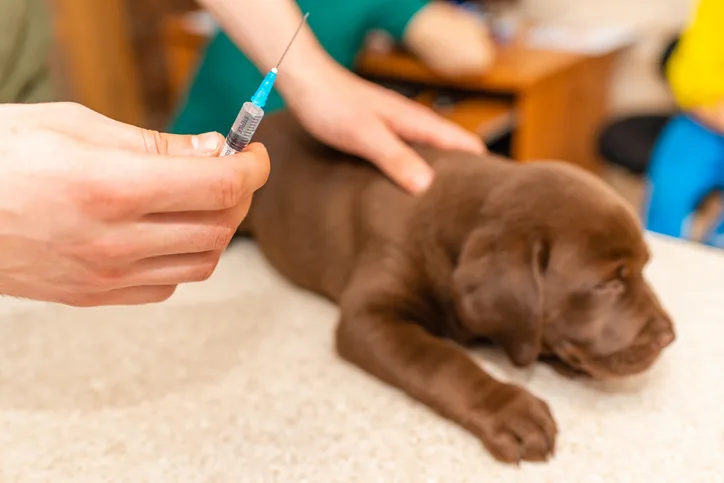
Effectiveness of modified-live viral (MLV) vaccines against canine parvovirus (CPV)-2 depends on the ability of the vaccinal strain to infect the vaccinated dog; antibody-mediated blockade can lead to vaccine failure.
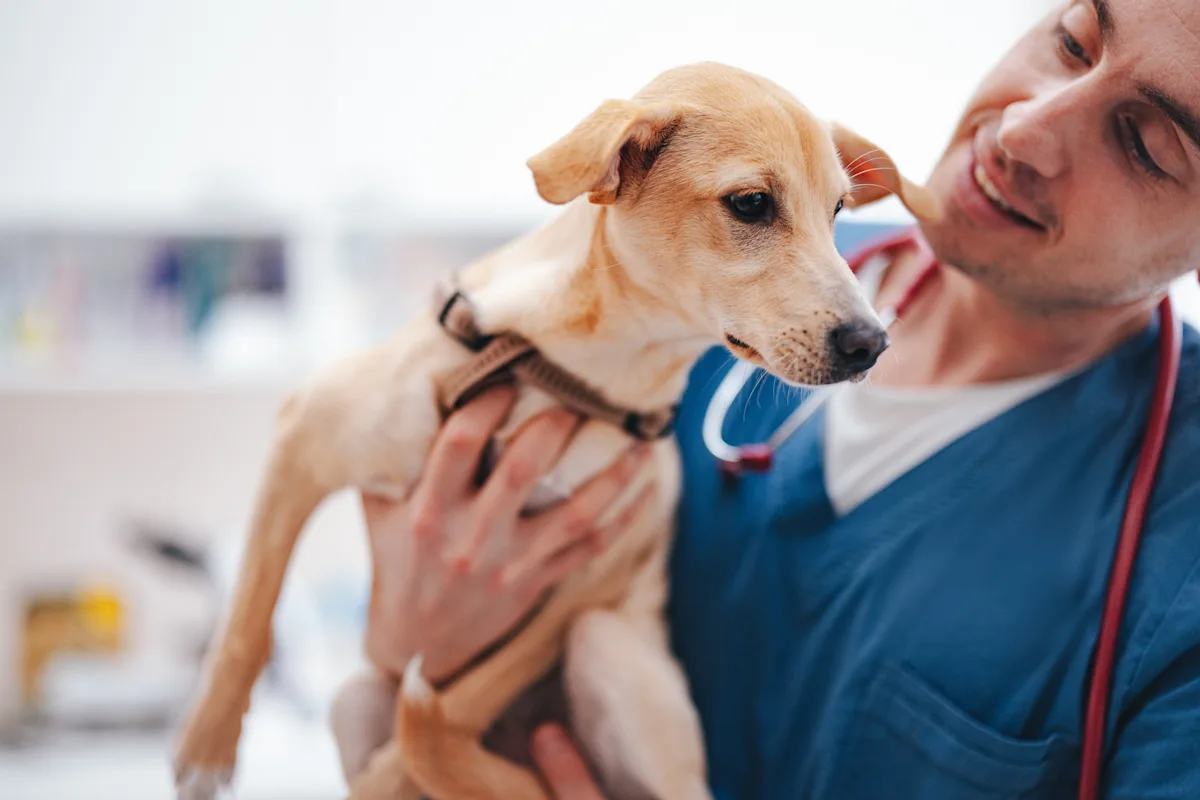
In human medicine, the hair apposition technique (HAT) is a technique in which hair is brought together and glued to allow for tissue apposition when repairing scalp lacerations.