Research Note: Coat Color & Hair Cortisol Concentration in Cats
Source
Nutter KL, Cooke AS. Coat color and other factors influencing hair cortisol concentration in domestic cats. J Vet Diagn Invest. 2025;38(1):93-99. doi:10.1177/10406387251384320
Research Note
Cortisol measurement is a potentially valuable biomarker of long-term stress because cortisol can accumulate in hair over time. Studies have suggested hair color may affect cortisol concentration; however, results have been variable,1-4 and few studies have been designed to specifically evaluate the effect of hair color on hair cortisol.
This report assessed whether hair cortisol concentration (HCC) differed between varying hair colors in multicolored cats, as well as whether individual factors (eg, age, sex) and behaviors impacted HCC.
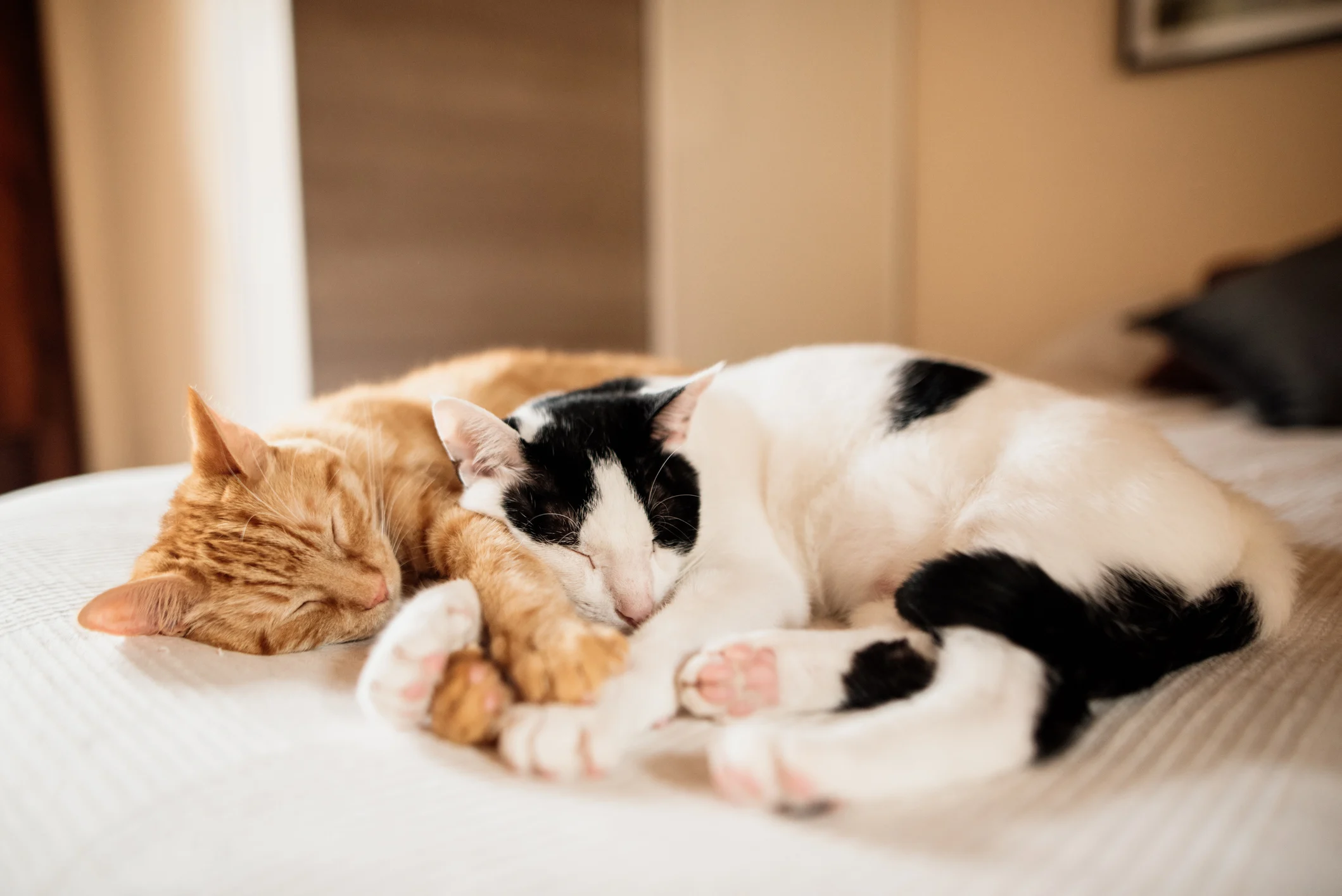
Owners of black-and-white (n = 15) and orange-and-white (n = 12) cats were asked to collect 1 sample of orange or black hair and 1 sample of white hair using scissors to cut as close to the skin as possible. The owners were then asked to complete a questionnaire that included their cats’ breed, age, sex, coloring, and hair length; health; household (eg, indoor/outdoor access, other pets); and behavior (eg, aggression, hyperactivity).
Cortisol measurements in sampled black hairs were significantly greater than those of sampled white hairs; measurements in sampled orange hairs were nonsignificantly greater than sampled white hairs. HCC did not differ significantly among individual factors, but a positive association was found between the number of reported behavioral issues and HCC. Three behaviors positively associated with white HCC were consumption of inedible objects, attacking the handler during play, and excessive vocalization. Furniture scratching was negatively associated with white HCC. A definitive explanation has not been determined for differences in HCC due to hair color.
You are reading Research Notes, a research summary resource presented by Clinician's Brief. Clinician's Brief does not conduct primary research.