Research Note: Effect of Blood Sampling Methods on Viscoelastic Test Results
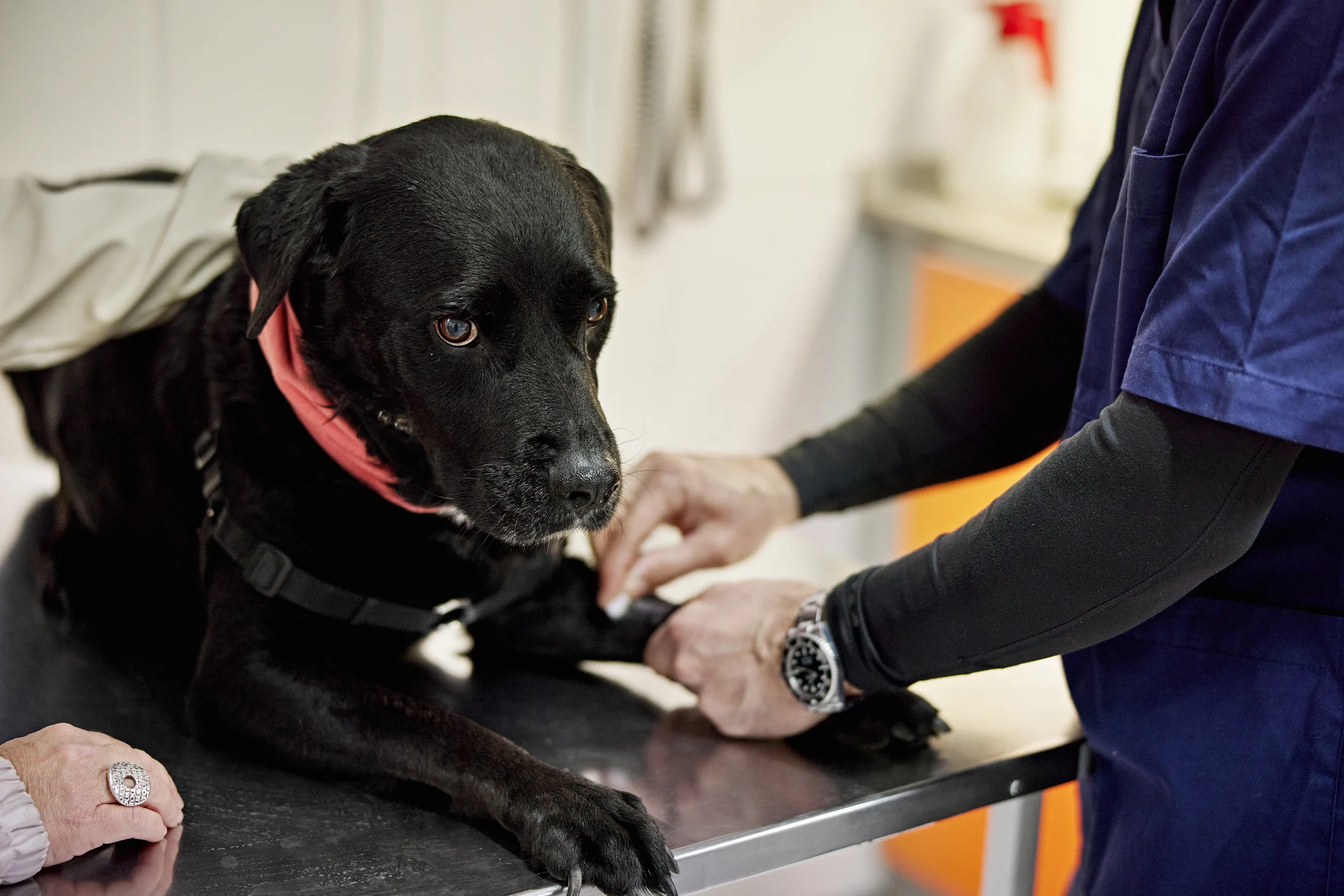
Source
Diop N, Blais M-C, Juette T, Letendre J-A. Comparison of different sampling methods on viscoelastic test results using a point-of-care coagulation monitor in healthy dogs. Vet Clin Pathol. 2026;54(4):355-361. doi:10.1111/vcp.70070
Research Note
Viscoelastometric testing provides information on the entire coagulation system, but preanalytical factors (eg, sample storage and temperature, blood sampling) can affect results.
This study evaluated whether results of a veterinary cartridge-based point-of-care viscoelastic coagulation monitor were affected by the blood collection system, sampling site, hematologic parameters, and difficulty of blood sampling.
Blood samples were first obtained from 52 healthy dogs via direct jugular venipuncture; baseline viscoelastic parameters using a point-of-care monitor assay were then analyzed, and CBC and fibrinogen concentration were determined. One hour after the test, dogs were randomized for a second viscoelastic assay using samples collected from direct stick of a saphenous vein, the contralateral jugular vein via vacutainer, or a cephalic venous catheter.
Although each sampling method was reliable, study results demonstrated that intraclass correlation between sampling methods was poor. The authors concluded that follow-up viscoelastic testing should be performed using the same sampling method and site, and CBC results should be known before the viscoelastic testing results are interpreted.
You are reading Research Notes, a research summary resource presented by Clinician's Brief. Clinician's Brief does not conduct primary research.