Research Note: Therapeutic Ultrasound Adjunct to Periodontal Therapy in Cats
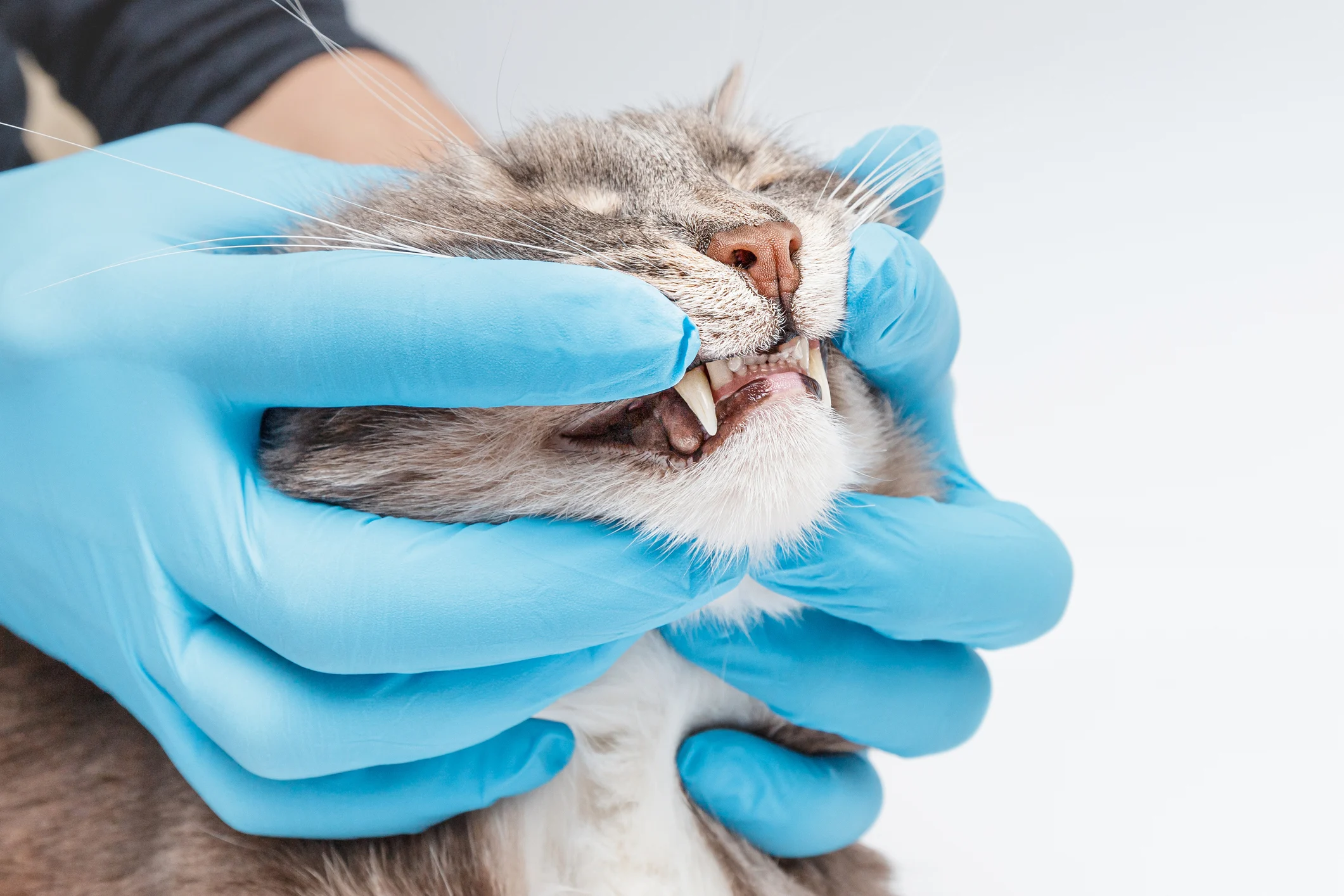
Source
Turgut F, Yanmaz LE, Tosunoglu IE, et al. Efficacy of therapeutic ultrasound as an adjunct to periodontal therapy in cats with early-stage periodontal disease. Vet J. 2026;316:106602. doi:10.1016/j.tvjl.2026.106602
Research Note
Periodontal disease affects ≈80% to 85% of cats >2 to 3 years old.1 Studies in humans and dogs have shown that therapeutic ultrasound can support periodontal tissue repair, but studies in cats are limited.
This study evaluated whether therapeutic ultrasound alone or in combination with chlorhexidine can reduce gingivitis, pain, plaque accumulation, and periodontal pocket depth in cats with early-stage periodontal disease.
Client-owned cats (n = 21) with stage 1 or 2 periodontal disease were randomly assigned to receive treatment with chlorhexidine alone, therapeutic ultrasound alone, or a combination of chlorhexidine and therapeutic ultrasound. All cats underwent dental scaling under general anesthesia prior to treatment. Systemic cytokine levels (ie, tumor necrosis factor–alpha, interleukin-1 beta, interleukin-6), probing pocket depth, gingival index, plaque index, gingival surface temperature, and pain scores were measured before and after treatment. Treatment was administered once daily for 7 days.
Significant improvements were noted in periodontal measurements and gingival surface temperature in the therapeutic ultrasound and combination groups compared with the chlorhexidine group. No significant difference in cytokine levels or pain scores among groups was seen. No adverse effects from any treatments were noted.
The authors concluded that therapeutic ultrasound appears to be associated with improved periodontal parameters and local inflammatory temperature when used as an adjunct to standard dental care in cats with early-stage periodontal disease.
You are reading Research Notes, a research summary resource presented by Clinician's Brief. Clinician's Brief does not conduct primary research.