GI Disease
Managing GI cases is typically part of the daily schedule in general practice. Whether seeing an acutely vomiting dog or a cat with chronic enteritis, we are tasked with controlling clinical signs while sorting through the myriad potential causes so targeted therapy can be instituted (if possible). This resource provides structured guidance for approaching GI cases so your patients can feel better sooner.
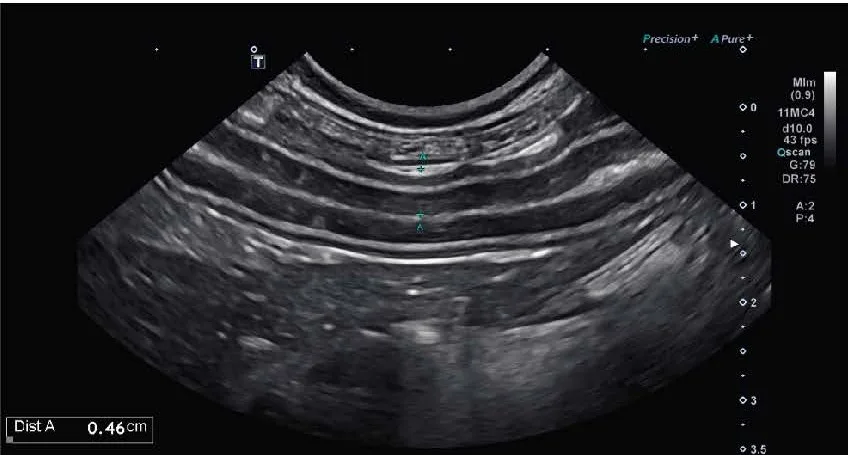
Explore More About GI Disease
From fluids and antiemetics to adjunctive therapies, treatment decisions in parvovirus vary widely. This self-assessment takes you through common options and helps distinguish beneficial care from interventions with limited or no support.
This article offers a practical, tiered approach to managing acute diarrhea in dogs and cats, covering supportive care, dietary options, appropriate diagnostic testing, and when to escalate therapy.
Persistent GI signs in cats are as common as they are frustrating. Get an overview on feline chronic enteropathies from history to diagnosis to successful management.
PARTNER RESOURCES

Six months of diarrhea, 3 different antibiotics, 2 ultrasounds, and a young cat still not improving. Listen in to this podcast episode to hear how one overlooked parasite finally explained it all and what changed once the right test was performed.

When deworming didn't resolve Drake’s bloody diarrhea, his care team faced a mystery with real stakes. See how a deeper look at his fecal sample uncovered a drug-resistant parasitic infection—and how that finding reshaped his treatment and turned his prognosis around.
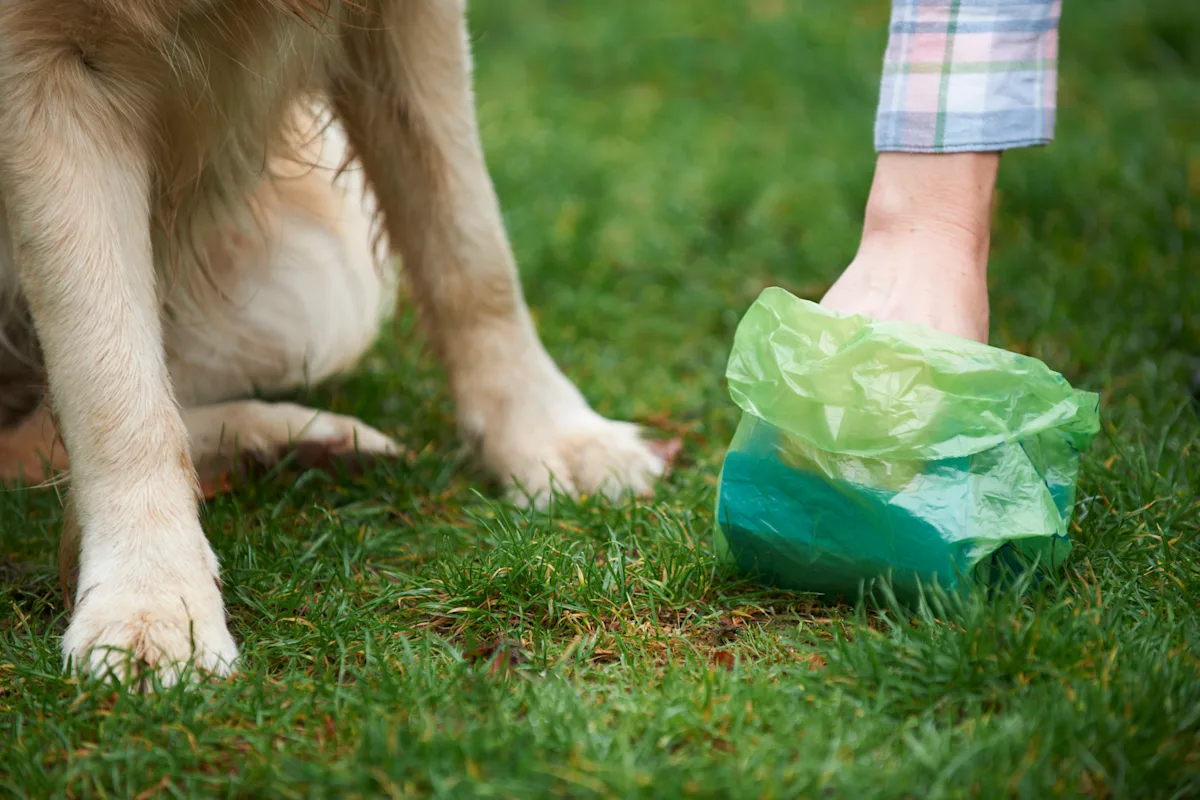
Treatment decisions should be shaped by clinical signs plus zoonotic risk—not just a positive PCR result. This algorithm maps out exactly how these factors, combined with CAPC-recommended monitoring, influence treatment decisions.

Normal results aren’t just “nothing found”—they’re the foundation for better long-term care. Learn how to celebrate baselines and use them to strengthen client confidence in preventive testing.
Test Yourself
Clinical Challenge
Poll
Quiz
Clinical Image
Fact or Fib?
Clinical Scenario

Listen In
Clinician's Brief Podcast
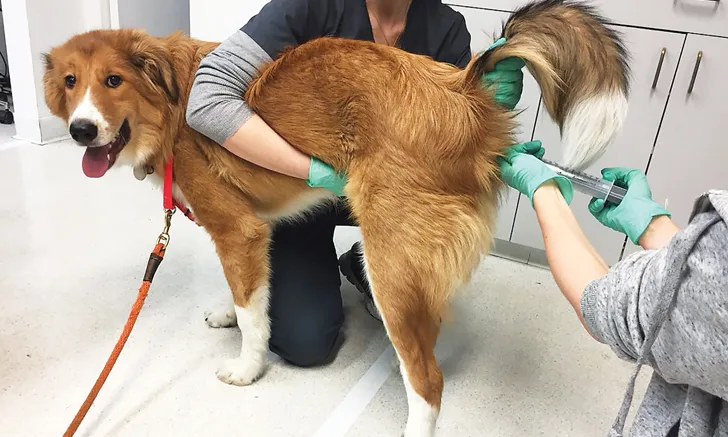
Dr. Suchodolski discusses the involvement of gut bacteria in overall health and patient metabolic function (introducing the concept of the microbiota as another organ system); dysbiosis as a complex and far-reaching abnormality (including the potential impact of antibiotic prescriptions); and current research, potential advancements, and uses of popular therapies like probiotics, prebiotics, and fecal transplantation.

Dr. Thevelein covers typical presentations, expected hematologic changes, and why calling it “HGE” is a thing of the past. She also emphasizes that fluid therapy is the most important aspect of treatment and explains why metronidazole can be considered almost entirely unnecessary.

Dr. Tolbert explains the differences between gastroesophageal reflux and true esophagitis. She then details therapeutic options ranging from famotidine to omeprazole, calcium carbonate to sucralfate, and even … acetaminophen.
Preview Plumb's
See how Plumb's can answer your treatment FAQs for GI diseases.

Continuing Education
Earn CE credit with these free courses.

Parasite risks are changing—from rising hookworm resistance to shifting regional trends. See if your prevention protocols and testing practices are staying up to date in this free CE webinar.

Anal sac issues are messy—but managing them doesn’t have to be. Get expert answers to your toughest questions in this free, interactive webinar powered by Standards of Care™.
2-Minute Takeaways

Oral ondansetron may be convenient for at-home use in dogs, but is it effective? This crossover study compared plasma concentrations of ondansetron administered orally and intravenously to find out.
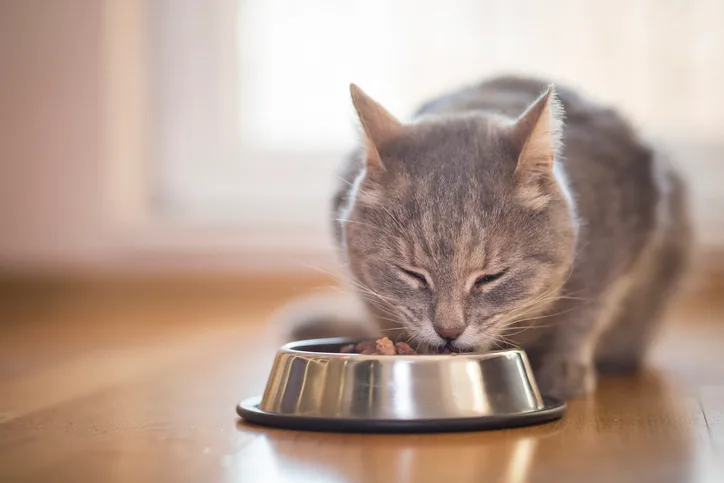
Feline chronic enteropathy is a common affliction of middle-aged and senior cats, with many cases being food-responsive. Researchers looked at the number and quality of dietary histories acquired before and during appointments at a referral facility.
Infections with Giardia duodenalis are common in dogs but only cause diarrhea in some patients. Researchers asked if the health of the gut microbiome is an important factor in the development of clinical signs.
Large intestinal surgeries involving full-thickness incisions are believed to carry higher risk for dehiscence than small intestinal surgeries. What are the risk factors for dehiscence and nonsurvival in cats undergoing surgery on the large intestine?
Recommended Reading

Roughly half of dogs with protein-losing enteropathy don’t respond to immunosuppression alone. Explore evidence-based strategies for managing steroid-resistant cases.

As understanding of acute hemorrhagic diarrhea syndrome evolves, so do treatment recommendations. This interactive quiz covers the latest management protocols and best practices.
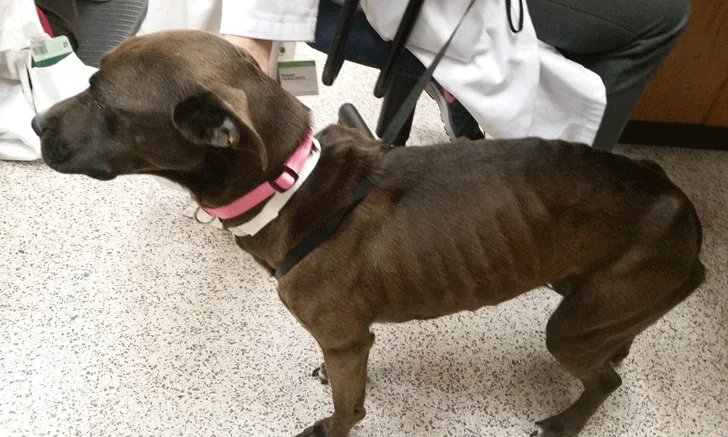
Increased availability of diagnostics can improve quality of care for veterinary patients with GI diseases but can also present a challenge when choosing appropriate tests. Take this quiz to review some of the most commonly used GI diagnostic tests.
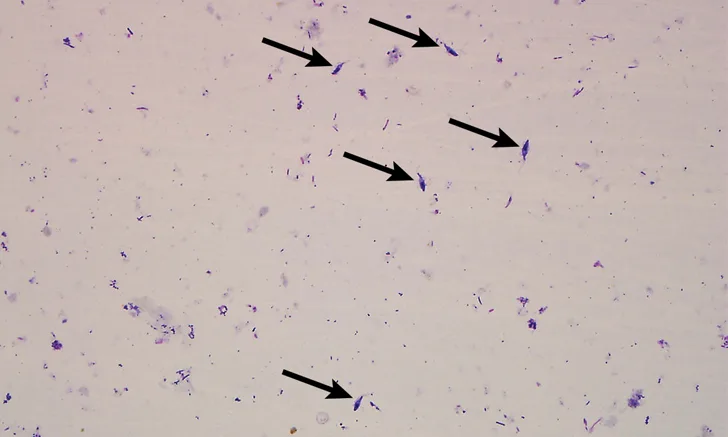
A 1-year-old cat displayed chronic diarrhea with frequent fecal dribbling when relinquished to a humane society. Read this case to learn the diagnosis and treatment plan.