Treatment Options for Canine Parvovirus
Shawn Kearns, DVM, DACVIM (SAIM), Angell Animal Medical Center, Boston, Massachusetts
Case
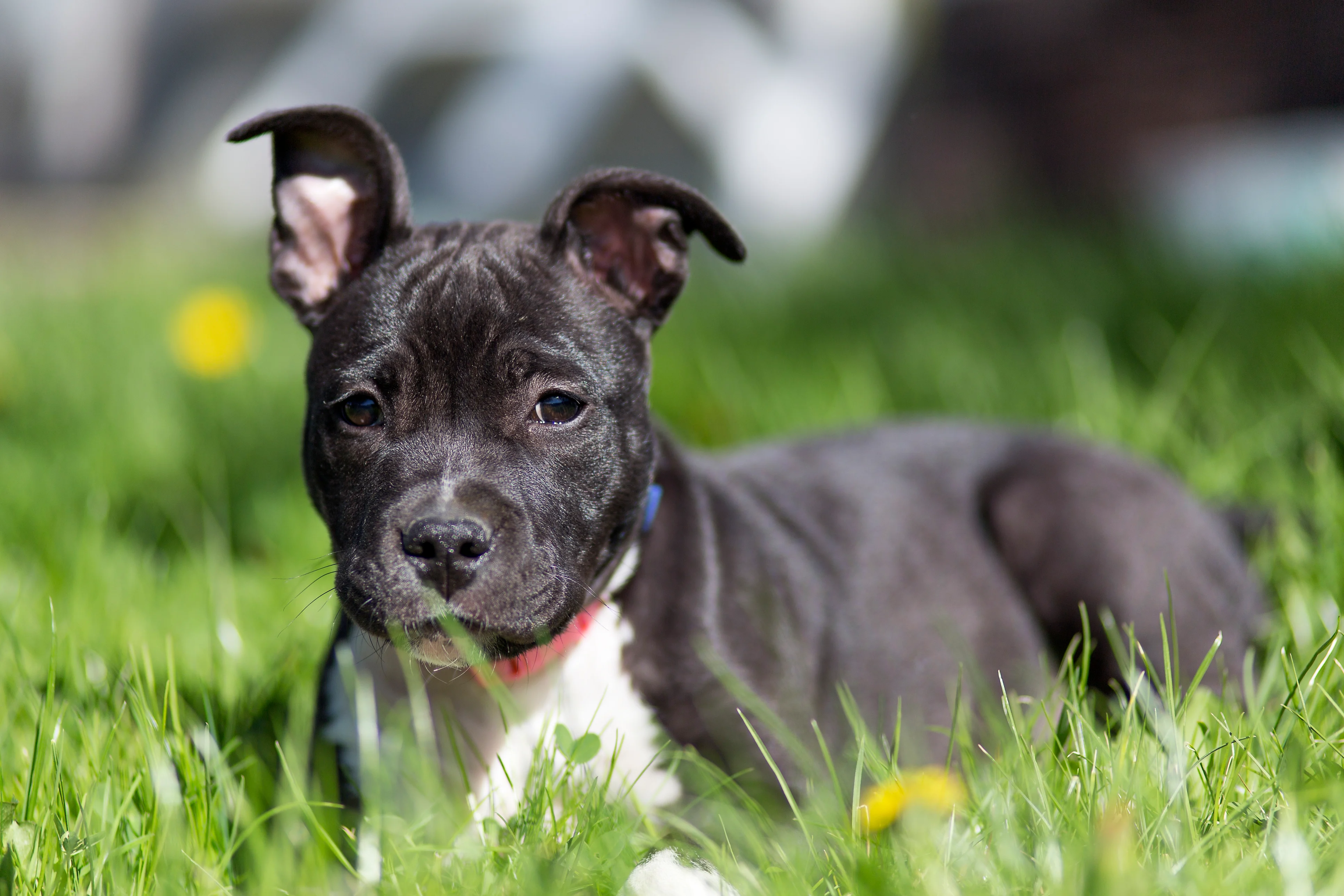
A 3-month-old, male American Staffordshire terrier is presented for evaluation of progressive malodorous diarrhea containing frank blood. The morning of presentation, the patient is acutely lethargic and not interested in food. The dog was adopted 3 weeks ago, and the owner reports the dog has been playful and eating well, but softer stools have been observed on several occasions. A distemper, adenovirus, parvovirus, parainfluenza vaccine was administered prior to adoption, and an appointment to establish primary care is scheduled.
On physical examination, the patient is quiet and alert. He is assessed to be 7% to 8% dehydrated. Temperature is 102.3°F (39°C), heart rate is 200 bpm, respiratory rate is 70 breaths per minute, and systolic blood pressure is 78 mm Hg. Serum chemistry profile shows mild hypoglycemia, initial CBC shows mild anemia, and other changes are consistent with the patient’s age (Table). A fecal flotation test for Giardia spp cysts and a fecal ELISA antigen parvovirus test are positive. The patient is hospitalized in isolation and started on IV fluid therapy.
The patient vomits 3 times overnight and is quiet with continued diarrhea the following day. Examination shows continued dehydration and fever (103.2°F [39.6°C]). Thoracic radiographs show no evidence of aspiration pneumonia, and abdominal ultrasound shows no evidence of foreign body obstruction or intussusception. Repeat CBC reveals moderate neutropenia (1.2 K/µL; reference interval, 3.1-11.9 K/µL) with 2+ toxic change of neutrophils.
Treatment for parvovirus is primarily supportive and typically includes balanced crystalloid fluid therapy, electrolyte correction and dextrose supplementation, antiemetic therapy, antibiotic treatment, and nutritional support. Oncotic support with synthetic or natural colloids may be indicated for patients with more severe GI fluid losses or when severe hypoalbuminemia is present. Early enteral nutrition in patients with parvovirus has shown earlier clinical improvement and significant weight gain compared with food being withheld until vomiting resolves.1 Early enteral nutrition can also reduce gut permeability, possibly decreasing risk for bacterial or endotoxin translocation.1
Although hospitalization for IV fluids and other supportive therapies is ideal, an aggressive outpatient protocol may be considered if hospitalization is not financially feasible. In 2 studies, outpatient management had survival rates of 75% to 80%.27,28 In one of the studies, inpatient management had a survival rate of 90%.28 Faster resolution of diarrhea and shorter hospitalization times have been reported with fecal microbiota transplant.29
Parvovirus is relatively stable in the environment; vaccination and good hygiene practices are therefore key for prevention. AAHA guidelines recommend vaccination with a high-titer, low-passage, modified live vaccination starting at 6 weeks of age and every 2 to 4 weeks until >16 weeks of age.30 Vaccination through 18 to 20 weeks of age may be preferred in higher risk areas. A booster vaccination is recommended at 1 year of age, then every 3 years.