Top 5 Monoclonal Antibodies in Veterinary Medicine
Claire L. Fellman, DVM, PhD, DACVIM (SAIM), DACVCP, Cummings School of Veterinary Medicine at Tufts University
Orthopedic referral is not always feasible or even necessary. There are many opportunities to practice your orthopedic skills in general practice. Explore our Fractures clinical portal to learn more about managing fractures in dogs and cats.
Monoclonal antibodies are antibodies engineered with affinity for binding to a specific target, allowing a focused biological effect. Binding can block or inactivate the targeted molecule, interrupt cell signaling, or initiate cell death. Monoclonal antibodies are foreign proteins and can subsequently induce antidrug antibodies, which can be transient or permanent and can result in a noticeable decrease in clinical response to the therapeutic monoclonal antibody. Monoclonal antibodies can also cause hypersensitivity reactions and other adverse effects typically related to inhibition of the biological actions of the targeted molecule.
Drug names of monoclonal antibodies include the suffix mab (monoclonal antibody); veterinary products are designated by vetmab. Monoclonal antibodies represent an important addition to therapeutics in veterinary medicine, with the first product (ie, lokivetmab) fully licensed in the United States in December 2016.1 Although several additional new products have been introduced, challenging manufacturing requirements and the need for species-adapted (eg, caninized or felinized) products limit development. Monoclonal antibodies can be evaluated by the US Department of Agriculture (USDA) or the FDA; products that act primarily through an immune process (eg, directly stimulating or modulating the immune response) are generally licensed by the USDA.2
Following is a review by the author of available products with a focus on indications, immunogenicity, and adverse effects.
1. Lokivetmab
Lokivetmab is a caninized monoclonal antibody targeting interleukin-31.3 By binding and neutralizing interleukin-31, lokivetmab blocks a key cytokine involved in itch. Lokivetmab is licensed by the USDA to treat allergic and atopic dermatitis.3 Relief of pruritus occurs within 24 to 72 hours and lasts 4 to 8 weeks, with maximum effect noted following administration of the second dose.4,5
Lokivetmab is highly effective; most dogs experience response to treatment, usually with >50% reduction in pruritus scores.6,7 Lokivetmab can also be effective for other causes of pruritus; reduction in itching has been reported in a dog with systemic mastocytosis and in a dog with epitheliotropic lymphoma.8,9 Up to 2.5% of dogs treated with lokivetmab develop antidrug antibodies, which can reduce the effect of lokivetmab in dogs that responded previously.5 Adverse effects of lokivetmab are uncommon but can include vomiting, diarrhea, lethargy, pain at the injection site, anorexia, lameness, and hypersensitivity reactions.6,10
2. Bedinvetmab
Bedinvetmab is a recombinant canine monoclonal antibody that inhibits canine nerve growth factor (NGF) and is FDA-approved to control osteoarthritis pain in dogs.11 NGF supports the growth, survival, and differentiation of neurons; however, in dogs with osteoarthritis, NGF also triggers pathways that result in peripheral sensitization, neurogenic inflammation, and increased pain perception.11 Administration of an anti-NGF monoclonal antibody inhibits those pathways.
Bedinvetmab is effective when administered for a minimum of 2 doses; monthly administration is recommended.11,12 Bedinvetmab improved quality of life scores in treated dogs,13 and a randomized trial showed similar improvement in pet owner assessments of osteoarthritis pain in dogs treated with bedinvetmab when compared to meloxicam.14 Development of antidrug antibodies is uncommon in dogs administered bedinvetmab up to 9 months.15 Drug-approval studies showed bedinvetmab was generally well tolerated, with reported adverse effects including increased BUN, lethargy, and injection site reactions.11,15
Postapproval monitoring by the FDA has identified possible neurologic (eg, ataxia, seizures, paresis, paralysis), general (eg, anorexia, lethargy, recumbency), musculoskeletal (eg, lameness, muscle tremors), urinary, and GI adverse effects.16 Bedinvetmab is contraindicated in dogs that are pregnant, lactating, or breeding due to the role of NGF in nerve development,11 and this drug should be avoided in dogs with existing neurologic disease. Data on the safety of concurrent administration of bedinvetmab and NSAIDs are limited.17 During clinical trials in humans, humanized anti-NGF monoclonal antibody administration resulted in rapidly progressive osteoarthritis (RPOA) in some patients, and RPOA occurred more frequently with concurrent NSAID administration.11,18 Possible RPOA was reported in a dog treated with bedinvetmab (and anecdotally by others),19 but a standardized case definition of RPOA in veterinary patients is lacking, and the issue remains controversial.
3. Frunevetmab
Frunevetmab is a felinized monoclonal antibody that inhibits feline NGF and is FDA-approved to control osteoarthritis pain in cats.20 Frunevetmab significantly improved quality of life in treated cats,13 but no studies are available to compare its effectiveness with other analgesics. Monthly administration is recommended.20 Analgesic effects are typically seen within 2 to 3 weeks and may last up to 6 weeks.21
Frunevetmab is generally well tolerated,20 although a report documented cutaneous adverse effects (ie, head/neck pruritus, excoriations) in 5 cats, with subsequent reactions seen in 3 cats following readministration.22 Development of antidrug antibodies is uncommon but may reduce drug effectiveness.23,24 Frunevetmab is contraindicated in cats that are pregnant, lactating, or breeding.20 Data on the safety of concurrent administration of frunevetmab and NSAIDs are limited,20 but the frunevetmab label includes the same information regarding RPOA risk in humans with anti-NGF monoclonal antibody use as is described above for bedinvetmab.11,20 No major postapproval safety signals have been reported by the FDA for frunevetmab as of the time of writing.25
4. Canine Parvovirus Monoclonal Antibody (ie, Anivovetmab)
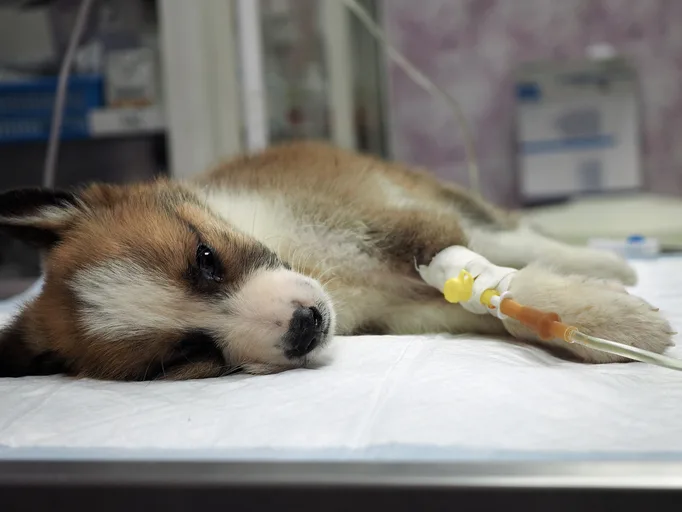
Canine parvovirus monoclonal antibody (CPMA; ie, anivovetmab) is licensed by the USDA for treatment and prevention of canine parvovirus infection in puppies >8 weeks of age.26,27
CPMA provides passive immunity by binding circulating canine parvovirus and prevented mortality when administered as a sole treatment 4 days after experimental infection in puppies (in the absence of supportive care).28 CPMA may also be used prophylactically in puppies exposed to parvovirus to reduce development and severity of infection.29 The dose for treatment of infection (0.2 mL/kg IV) is higher than the prophylactic dose (0.1 mL/kg SC).29 If used as a preventive, parvovirus vaccinations must be continued longer than usual vaccination schedules due to potential interference with active immunization.30 The manufacturer recommends administration of parvovirus vaccinations at appropriate intervals for at least 17 weeks following CPMA administration in puppies if seroconversion is monitored or 24 weeks following administration if seroconversion is not monitored.29
Safety studies have shown that this product is generally well tolerated. Antidrug antibodies are of limited concern because CPMA is intended for single use. The most common adverse effects are injection site reactions.26 Although other products mentioned in this article are stored in the refrigerator (35.6°F-46.4°F [2°C-8°C]), CPMA is stored frozen (at or below 5°F [-15°C]) and thawed at room temperature prior to administration.26 Point-of-care testing identifies the parvovirus antigen; CPMA administration thus does not affect parvovirus test results.
5. Gilvetmab
Gilvetmab is a caninized monoclonal antibody that acts as an immune checkpoint inhibitor.31 By binding and inhibiting the canine programmed cell death receptor-1 (PD-1) on T cells, gilvetmab prevents tumor-induced suppression of T-cell responses and supports the immune system’s ability to fight cancer.32,33 Gilvetmab is conditionally licensed by the USDA and is available for treatment of stage I, II, and III mast cell tumors and stage II and III melanomas.31 Conditionally licensed products have demonstrated safety and shown a reasonable expectation of effectiveness but have not yet completed pivotal effectiveness studies (ie, field trials).34 Conditional licensing is offered to manufacturers to support the development of new veterinary products so revenue can be generated that supports pivotal study completion. Gilvetmab is conditionally licensed and should thus only be used as indicated on the label.35
Gilvetmab is administered every 2 weeks for up to 10 treatments.31 Preliminary studies evaluating changes in tumor size following the canine Response Evaluation Criteria in Solid Tumors (cRECIST v1.036) showed that 46% of mast cell tumors and 20% of melanomas experienced a partial or complete response; an additional 27% of patients with mast cell tumors and 40% of patients with melanomas experienced stable disease.31
Gilvetmab is contraindicated in patients that require concurrent immunosuppressive treatment.33 Because normal T-cell function is disrupted, gilvetmab has the potential for loss of self-tolerance and increased risk for developing immune-mediated disease. Initial safety studies showed gilvetmab to be adequately tolerated, with mild-to-moderate allergic reactions noted in healthy beagles in laboratory studies; lethargy, increased liver enzymes, decreased appetite, and vomiting were the most common adverse effects in clinical patients.31,33,37 Pretreatment with diphenhydramine is recommended by the manufacturer to reduce infusion reactions.31 Anaphylaxis is possible and should be treated with epinephrine.31
Conclusion
Therapeutic monoclonal antibodies are an area of discovery across many fields, offering potential treatments for cancer, infections, and inflammatory and immune-mediated diseases. Immunogenicity is a concern for all monoclonal antibodies and can result in loss of product effectiveness. Conditional approval and licensing allow earlier access to potentially life-saving therapeutics; however, these products have not yet demonstrated effectiveness, and use must follow label indications and administration instructions.