Quiz: Janus Kinase Inhibitors & Monoclonal Antibodies for Pruritus
Andrew Simpson, DVM, MS, DACVD, Animal Dermatology Clinic, Wheaton, Illinois
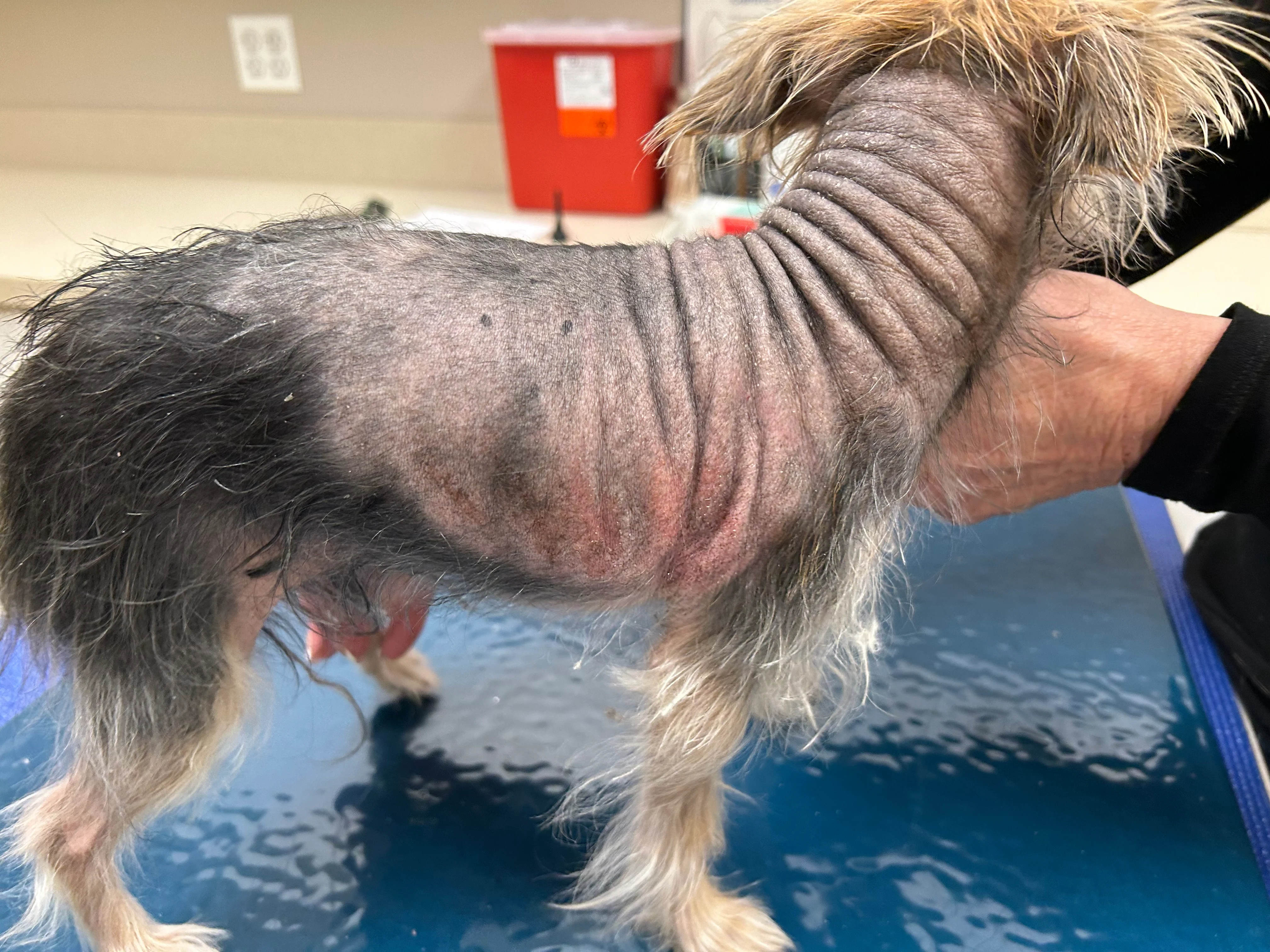
There is not a day in the clinic without an itchy dog on the schedule, but options for managing these cases have widened in recent years. Our new Canine Atopic Dermatitis clinical portal can help with identification and effective management of dogs with atopy and related conditions, allowing the best treatment tailored for every patient.
Major advances in therapeutic options for management of both acute and chronic cases of canine allergic dermatitis include the introduction of 2 new classes of drugs (ie, Janus kinase [JAK] inhibitors and caninized monoclonal antibodies, notably lokivetmab) that provide more reliable, rapid antipruritic activity (compared with antihistamines) and reduce signs of allergic pruritus as rapidly as corticosteroids without the adverse effects of corticosteroids.1-5 In addition, JAK inhibitors (eg, oclacitinib, ilunocitinib) and lokivetmab provide more rapid pruritus control compared with cyclosporine and allergen-specific immunotherapy.1-3,6,7 Although allergen-specific immunotherapy is still strongly recommended for long-term management of canine atopic dermatitis,1,8 JAK inhibitors and lokivetmab can control pruritus during the build-up phase of immunotherapy and help treat intense pruritus during allergic flares.
Take the Quiz
Avoiding Pet Owner Burnout When Treating Canine Skin Disease
Pet owners may experience caregiver burden when complex treatments are recommended for allergic patients. Read an expert analysis on how this potentially affects the patient and what you can do to prevent it.