Hepatobiliary Disease
Hepatobiliary disease encompasses a wide range of disorders that affect numerous systems. Elevated liver enzymes may be the first indication of a problem, but deciding how to proceed can sometimes seem overwhelming. This resource is meant to guide clinicians in their decision-making process when faced with suspected or confirmed hepatobiliary disease in their patients.
New in Hepatobiliary Disease
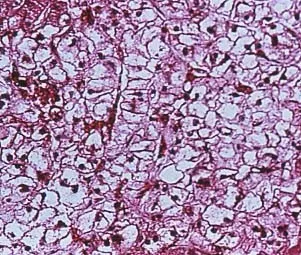
ALP is a sensitive but relatively nonspecific marker of hepatobiliary disease. Review practical strategies for determining the clinical significance of elevated total ALP in dogs.

Serum ALT and AST are the most sensitive screening markers for hepatocellular injury but do not assess liver function. Learn how to interpret transaminase elevations with confidence.
Explore More About Hepatobiliary Disease
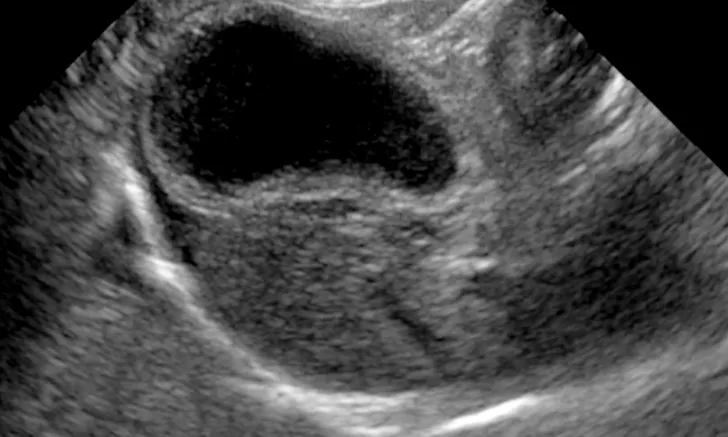
Hepatobiliary imaging can be essential for differential diagnoses in cats and dogs. This gallery explores the uses of both radiography and ultrasonography in the biliary system.
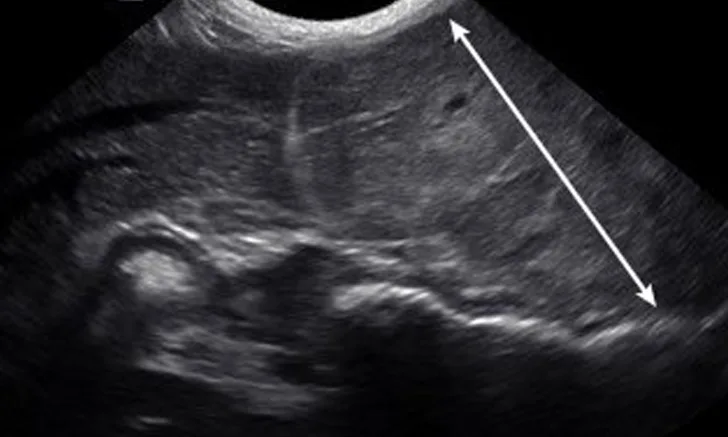
Hepatobiliary imaging can be essential for differential diagnoses in cats and dogs. This gallery explores the uses of both radiography and ultrasonography to assess the liver.
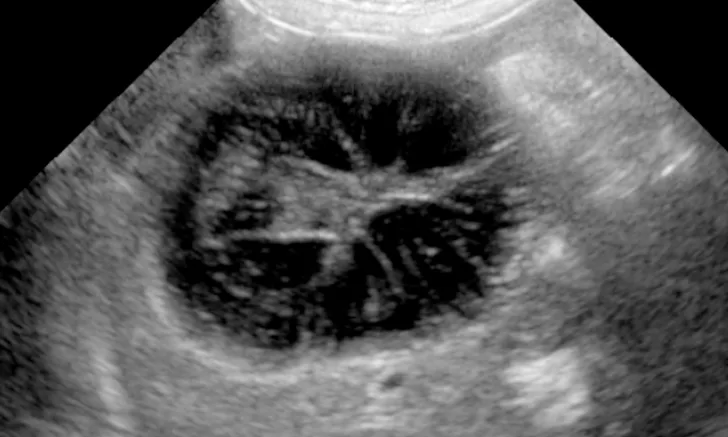
Biliary diseases are becoming more commonly diagnosed in dogs and may warrant urgent surgical care. Explore 5 of the most common canine biliary diseases and how to diagnose, treat, and manage each.

An 8-year-old Irish setter was presented for lethargy, anorexia, and intermittent head bobbing. Pancreatitis was diagnosed, and he was hospitalized; neurologic status continued to decline. What was the appropriate course of action for this case?
Test Yourself
Clinical Challenge
Poll
Quiz
Clinical Image
Fact or Fib?
Clinical Scenario

Listen in
Clinician's Brief Podcast

Preview Plumb's
See how Plumb's can answer your treatment FAQs for GI diseases.

Continuing Education
Earn CE credit with these free courses.

In this webinar, Dr. David C. Twedt will review how to identify and manage these conditions, as well as how to determine their etiology.
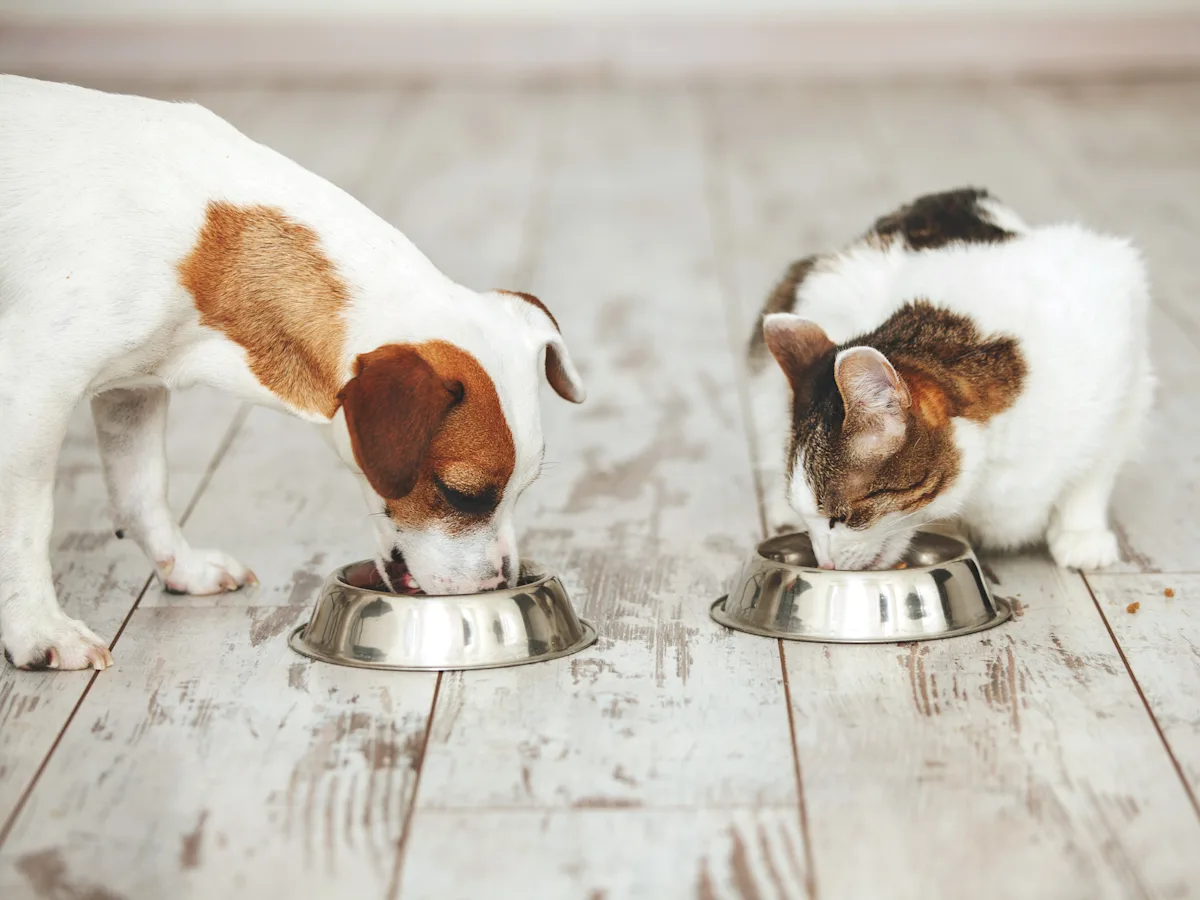
This webinar with Dr. John P. Loftus will explore the critical role of diet in managing liver conditions in dogs and cats and offer a comprehensive guide to the best nutritional strategies.
2-Minute Takeaways

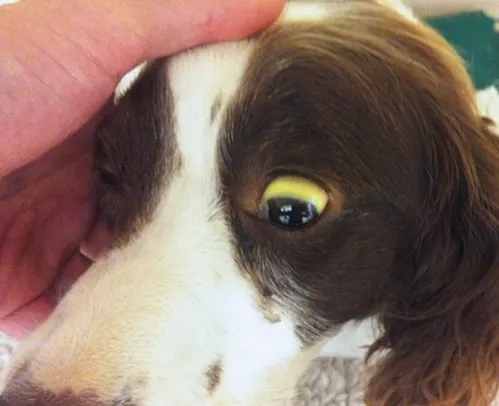
Icterus typically indicates significant hyperbilirubinemia and serious disease. This retrospective study reviewed the cases of 115 dogs with hyperbilirubinemia to identify the patterns that determine prognosis.
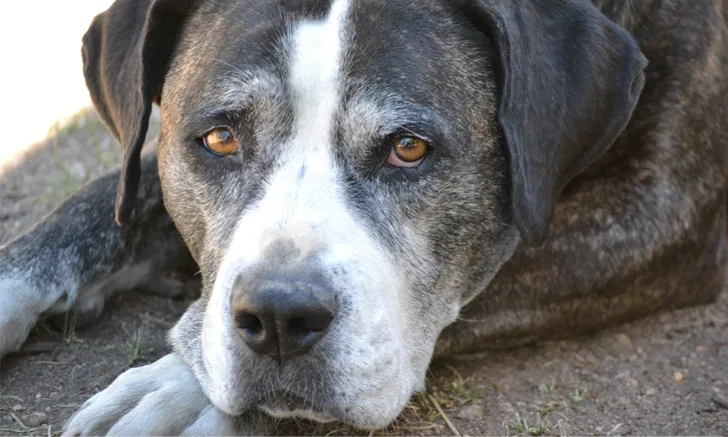
FNA of the liver has the advantage of cost and safety over biopsy, but falls short when it comes to detecting hepatitis. A retrospective study looked for ways to optimize hepatic cytology to detect inflammatory conditions.
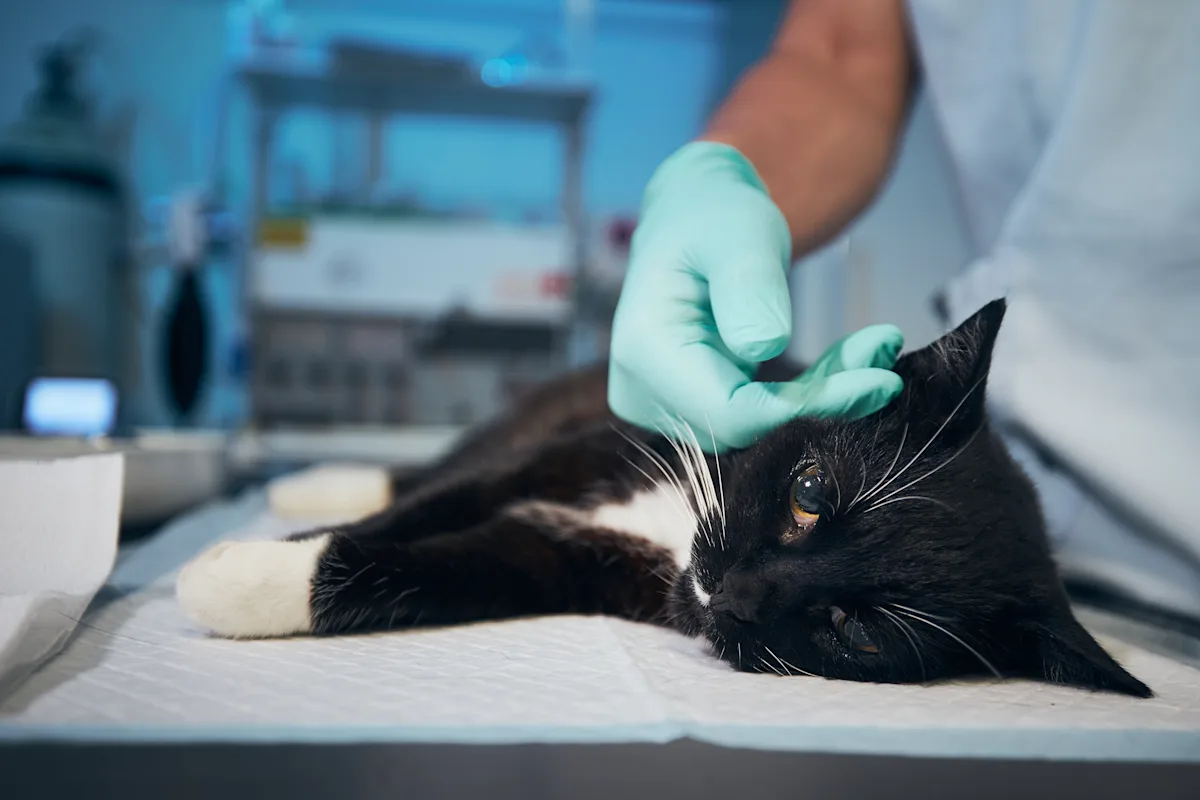
Hepatic lipidosis is a common liver disease in cats that is associated with high morbidity and mortality. Discover which clinical markers are associated with a poor prognosis.

Postattenuation neurologic syndrome (PANS) after portosystemic shunt attenuation appears to affect cats more often than dogs. Discover what this study uncovered when evaluating the risk factors for these patients.
Recommended Reading
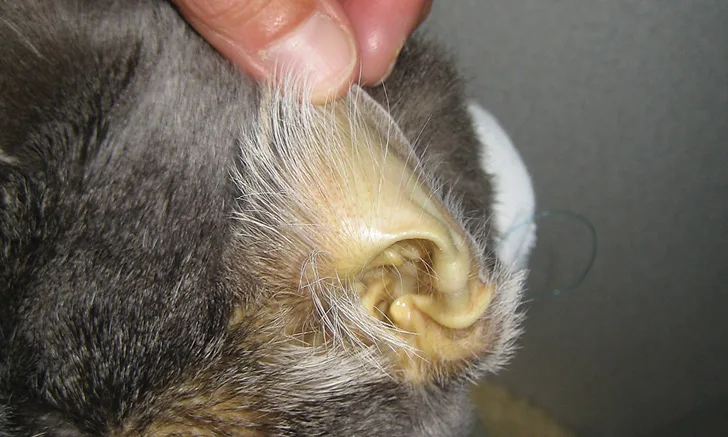
Effective therapy starts with careful selection. Discover the top 5 antibiotics to consider when treating gastrointestinal and hepatobiliary disorders.
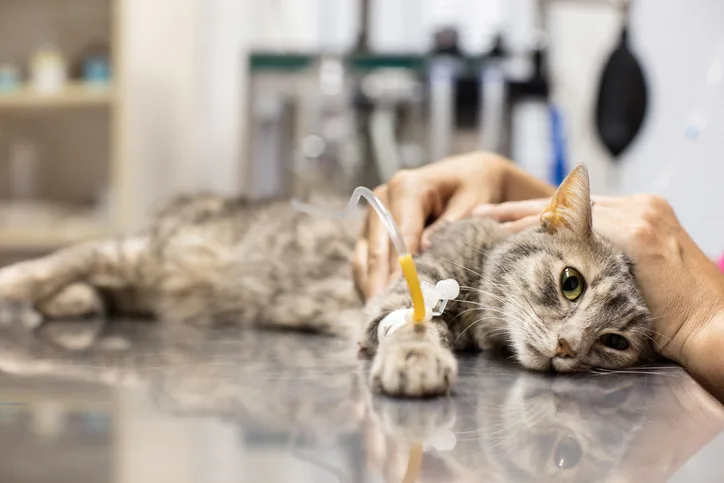
Early, aggressive intervention can make all the difference for cats with hepatic lipidosis. Follow this case for practical diagnostic and treatment guidance, including a convenient chart to ensure safe food reintroduction and to minimize the risk for refeeding syndrome.
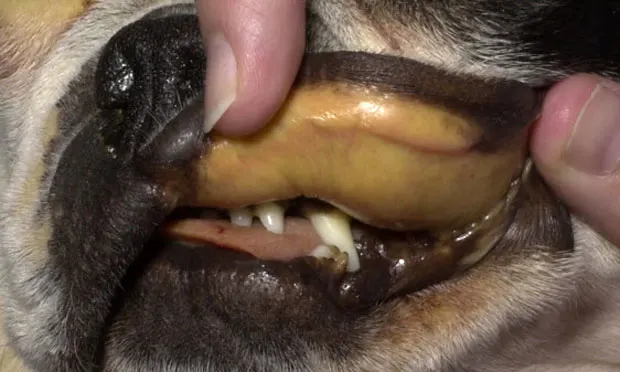
Hyperbilirubinemia doesn’t always signify hepatic disease; prehepatic and posthepatic causes should also be considered. Make sure you don't miss a differential by bookmarking this comprehensive yet straightforward list.
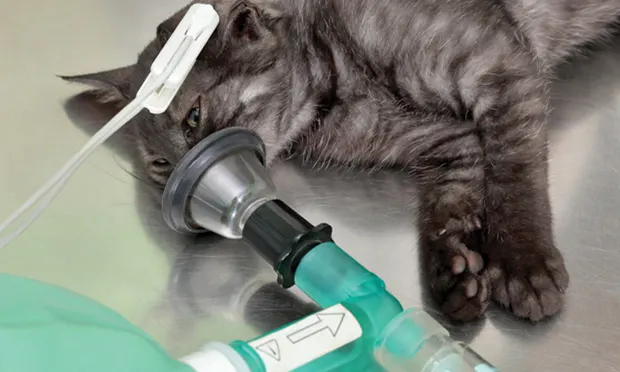
Carefully selecting a protocol and various perianesthetic interventions are important to minimize adverse effects in patients with liver disease.