Treatment Options for Canine Atopic Dermatitis: A Brief Review
Jim Budde, PharmD, RPh, DICVP, FACVP, Chief Pharmacy Officer, Instinct Science
Background
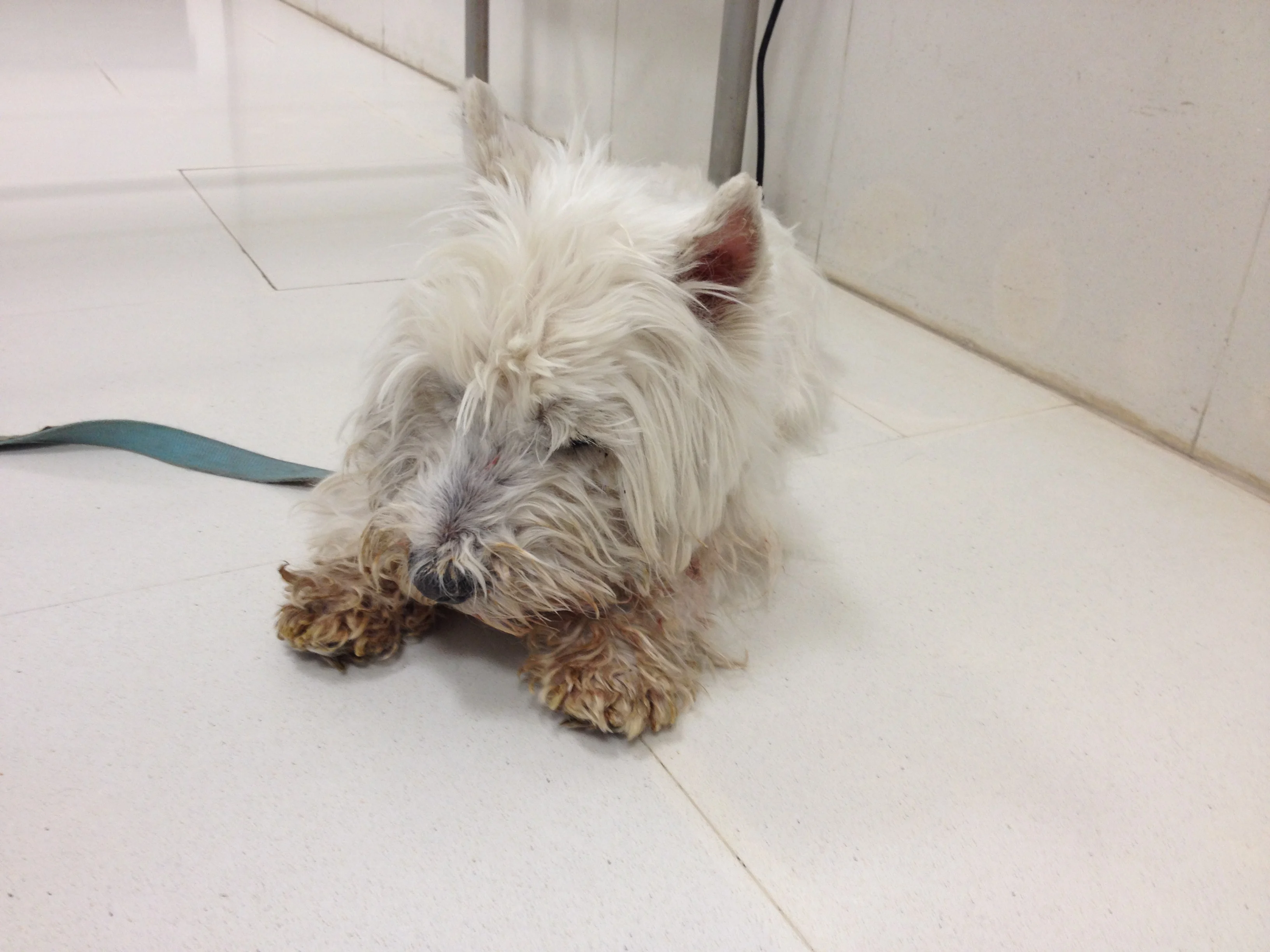
Atopic dermatitis is a pruritic, inflammatory allergic skin disease that, in dogs, is most commonly associated with an immunoglobulin E (IgE) antibody response to environmental allergens (eg, pollen, dust, mold). Other allergens (eg, food) are possible. A genetic predisposition to a defective skin barrier is recognized; dogs are pruritic.1
Management of atopic dermatitis continues to evolve. Understanding how therapies differ in mechanism, onset, and safety is essential for tailoring treatment to each patient. For detailed information on agent selection and use, visit Plumbs.com.
Treatment Options for Alleviation of Clinical Signs
Following are current medical options for alleviating clinical signs associated with atopic dermatitis in dogs. Allergen-specific immunotherapy is not covered in this article.
Dampening the Immune Response
Oral glucocorticoids (eg, methylprednisolone, prednisone/prednisolone, triamcinolone) are highly effective immunosuppressive agents that have a prompt onset of effect, but adverse effects restrict their utility. Cyclosporine (modified), another immunosuppressive agent, may require several weeks to reach full effect2; however, reduced doses and/or prolonged administration intervals (eg, every other day) are possible after clinical signs are controlled.3
Inhibiting Pruritus
Janus kinase (JAK) inhibitors (eg, ilunocitinib, oclacitinib) and the monoclonal antibody lokivetmab inhibit proinflammatory and pruritogenic cytokines, are rapidly effective, and are well tolerated long-term. Lokivetmab may provide relief from clinical signs for up to 8 weeks per injection. Topical corticosteroids (eg, hydrocortisone, triamcinolone) can be used for short-term treatment of focal lesions.2
Adjunctive Treatments
Omega-3 fatty acid supplementation can be used as adjunctive treatment for pruritus and may allow for a reduction in modified cyclosporine over time.4 Effectiveness of antihistamines (eg, diphenhydramine, hydroxyzine, loratadine, cetirizine) is variable and often minimal.
An Eye on Safety
Although the primary effect of JAK inhibitors and lokivetmab is to reduce pruritus, this is accomplished via modification of the immune response. JAK inhibitors, modified cyclosporine, and lokivetmab are generally well tolerated but can also predispose dogs to serious infections and neoplasia.5-8 These agents may impair the immune response to vaccination, but only ilunocitinib contains a boxed warning for this concern.
The Big Picture
Long-term safety and effectiveness of oclacitinib, lokivetmab, and modified cyclosporine are similar. Short-term data for ilunocitinib (a newer agent) show slightly better control of pruritus and skin lesions compared with oclacitinib. Oral and topical corticosteroids are best suited for short-term use. Combinations of treatments can be considered.9-11
See Plumbs.com for complete insight into the safety and efficacy of these drugs.