Partial Disruption of the Common Calcanean Tendon
Suzanne Voll, CVT, Texas A&M University
Christian Latimer, DVM, CCRP, DACVS-SA, BluePearl Pet Hospital, Spring, Texas
Common calcanean tendon (CCT) ruptures can occur in dogs as a result of trauma, can be due to chronic/degenerative processes in predisposed breeds (eg, Doberman pinschers, Labrador retrievers), or can be secondary to diabetes, hyperadrenocorticism, corticosteroid administration, hypothyroidism, or obesity. The gastrocnemius and superficial digital flexor tendons (SDFT) are major contributors to the CCT in dogs. Conjoined tendons of the gracilis, semitendinosus, and biceps femoris muscles are minor contributors. Complete rupture of the tendon is common.1
Partial tears may affect the gastrocnemius insertion (via avulsion), with the SDFT remaining intact. When this partial rupture occurs, the foot can have a distinctive bunching of the digits, creating a claw-like appearance, which is caused by stretching of the intact SDFT over the calcaneus as the hock hyperflexes (Figure 1). Partial tears are usually atraumatic.
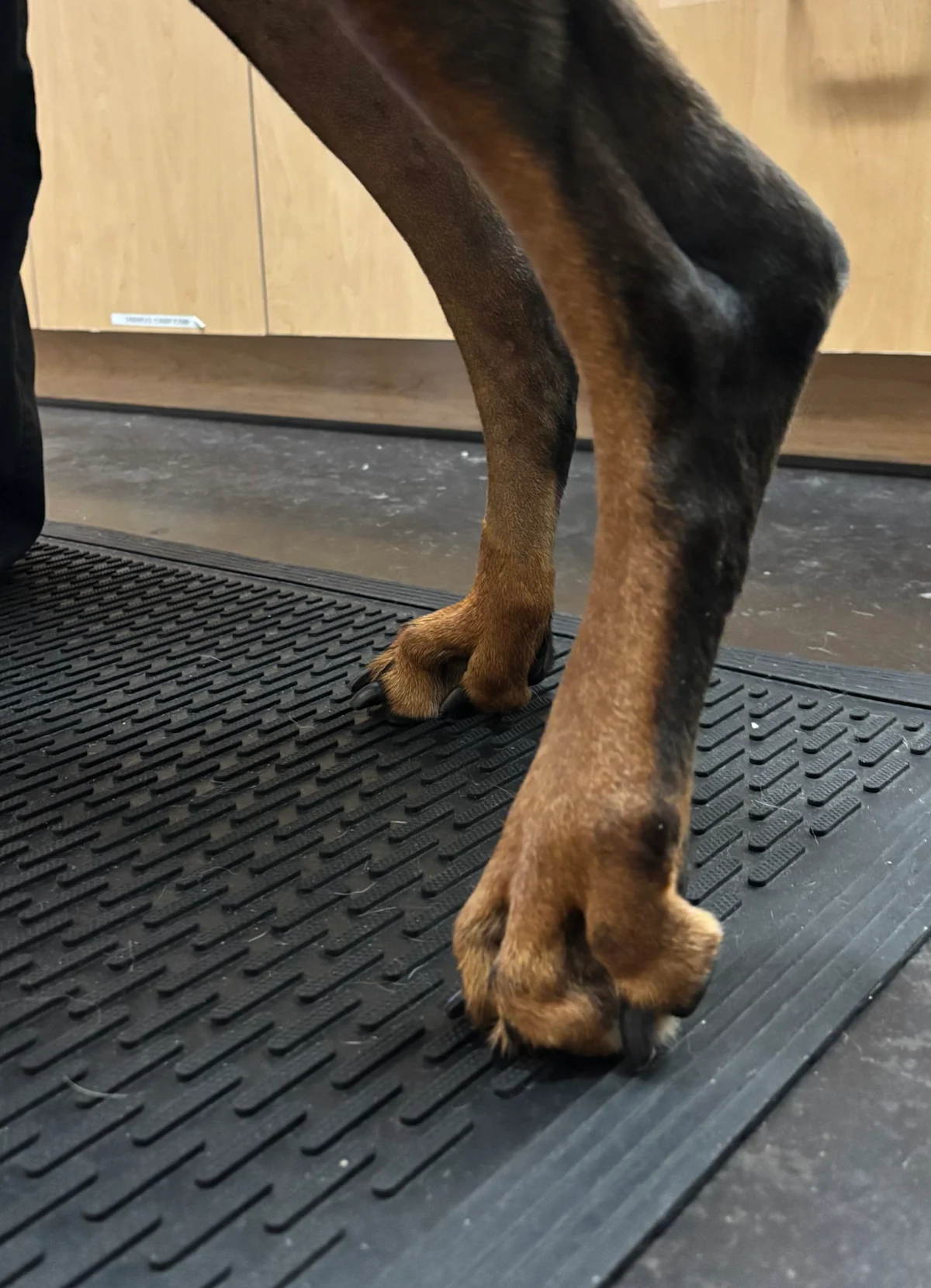
FIGURE 1 Digits of the left pelvic limb of a dog bunched in a claw-like appearance. Visualization on examination, especially in predisposed breeds (eg, Doberman pinschers), should warrant investigation of the CCT, as this is a classic sign of a partial tear in which the SDFT remains intact.
Diagnosis of a CCT rupture is often based on patient history and physical examination findings. Ultrasonography of the tendon can help characterize and localize CCT abnormalities. Clinical signs vary from completely non–weight-bearing lameness with associated swelling to weight-bearing lameness depending on the degree of CCT rupture. A complete to partial plantigrade stance from hyperflexion of the tarsal joints may also be seen; a full plantigrade stance indicates complete tendon rupture. Thickening of the CCT near the point of insertion on the tuber calcanei may be palpable. This finding may be corroborated on radiographs, potentially along with smaller, avulsed fragments with mineralization near the calcaneus.
Complete CCT ruptures require surgical intervention to provide the best chance at returning the limb to appropriate function. Surgical repair methods vary, along with adjunct therapy (eg, regenerative modalities [eg, platelet-rich plasma]). Partial CCT ruptures may be successfully managed conservatively with immobilization techniques, regenerative therapy, and strict rest. Prognosis can be very good in most cases.
Top 5 Muscle & Tendon Injuries in Lame Patients
A good knowledge of anatomy is key to diagnosing strains. Take an in-depth look at one expert’s top 5 muscle and tendon injuries to consider in lame patients.