GI Diet for Haws Syndrome in Cats
Andrew C. Lewin, BVM&S, DACVO, Vision Vets for Pets, Knoxville, Tennessee
In the Literature
Fruchter B, Kuzi S, Soueid Y, Pe’er O, Ofri R, Sebbag L. Management of Haws syndrome in cats with gastrointestinal diet: a case series. Vet Ophthalmol. 2026;29(2):e70097. doi:10.1111/vop.70097
The Research …
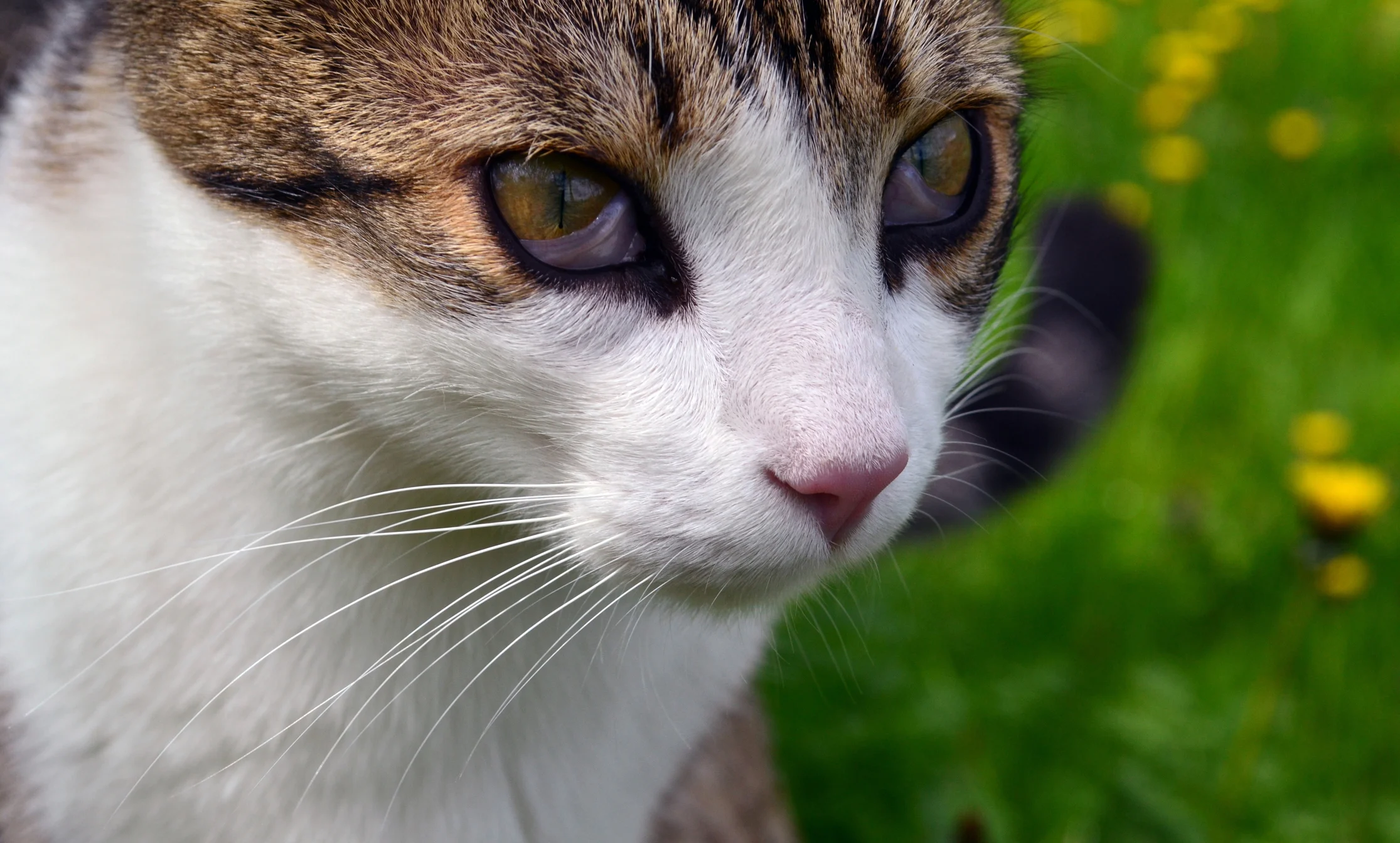
Haws syndrome in cats is elevation of the bilateral third eyelid (ie, nictitating membrane) with no other ocular findings. Diarrhea is a common concurrent clinical sign. Haws syndrome frequently spontaneously resolves with no clinical intervention.1
This case series described the clinical features and outcomes of cats (n = 5) diagnosed with Haws syndrome. Topical 1% phenylephrine was used to support the putative diagnosis, with rapid (10-15 minutes) resolution of ocular clinical signs, suggesting a sympathetic neuropathy. All cats were fed a prebiotic-enriched GI diet targeting presumed dysbiosis for 3 months following diagnosis.
Diarrhea was noted in 3 cats. Unspecified Giardia spp fecal tests were positive in 4 cats, but infection later resolved in 3 cats; it is unclear whether this finding was directly related to ocular clinical signs. Of the 3 cats with diarrhea, 2 had complete resolution within 4 to 14 days after initiation of the GI diet, while chronic intermittent GI signs persisted in the third cat. Ocular signs in all cats resolved within 11 to 39 days. Although clinical ocular signs did not recur during the follow-up period, 3 cats (all from the same household) had previously experienced an episode of Haws syndrome.
The authors speculated that this GI diet may be beneficial for patients with Haws syndrome; however, whether the GI diet affected patient outcome cannot be determined due to study limitations (eg, self-limiting condition, lack of a control group, small sample size, concurrent treatment [eg, metronidazole]).
… The Takeaways
Key pearls to put into practice:
Haws syndrome spontaneously resolves in most cases; concurrent GI clinical signs are common. Diet modification may be beneficial, and routine management of GI clinical signs may be helpful.
A thorough ocular examination should be performed in all cats with elevation of the third eyelid, as there are more common causes (eg, uveitis, corneal ulceration, glaucoma, infectious conjunctivitis).
Potential diagnosis of Haws syndrome can be supported by a positive temporary response to application of topical 1% phenylephrine.
Although Haws syndrome may reoccur in some patients, the etiology remains uncharacterized.
You are reading 2-Minute Takeaways, a research summary resource presented by Clinician’s Brief. Clinician’s Brief does not conduct primary research.