Dorsal Melanotrichia in Poodles & Poodle Crossbreeds
Christine L. Cain, DVM, DACVD, University of Pennsylvania
In the Literature
Kim J, Linder K, Rosenkrantz W, et al. Clinical, histological and epidemiological features of dorsal melanotrichia of poodles and poodle crosses. Vet Dermatol. 2026. doi:10.1111/vde.70066
The Research …
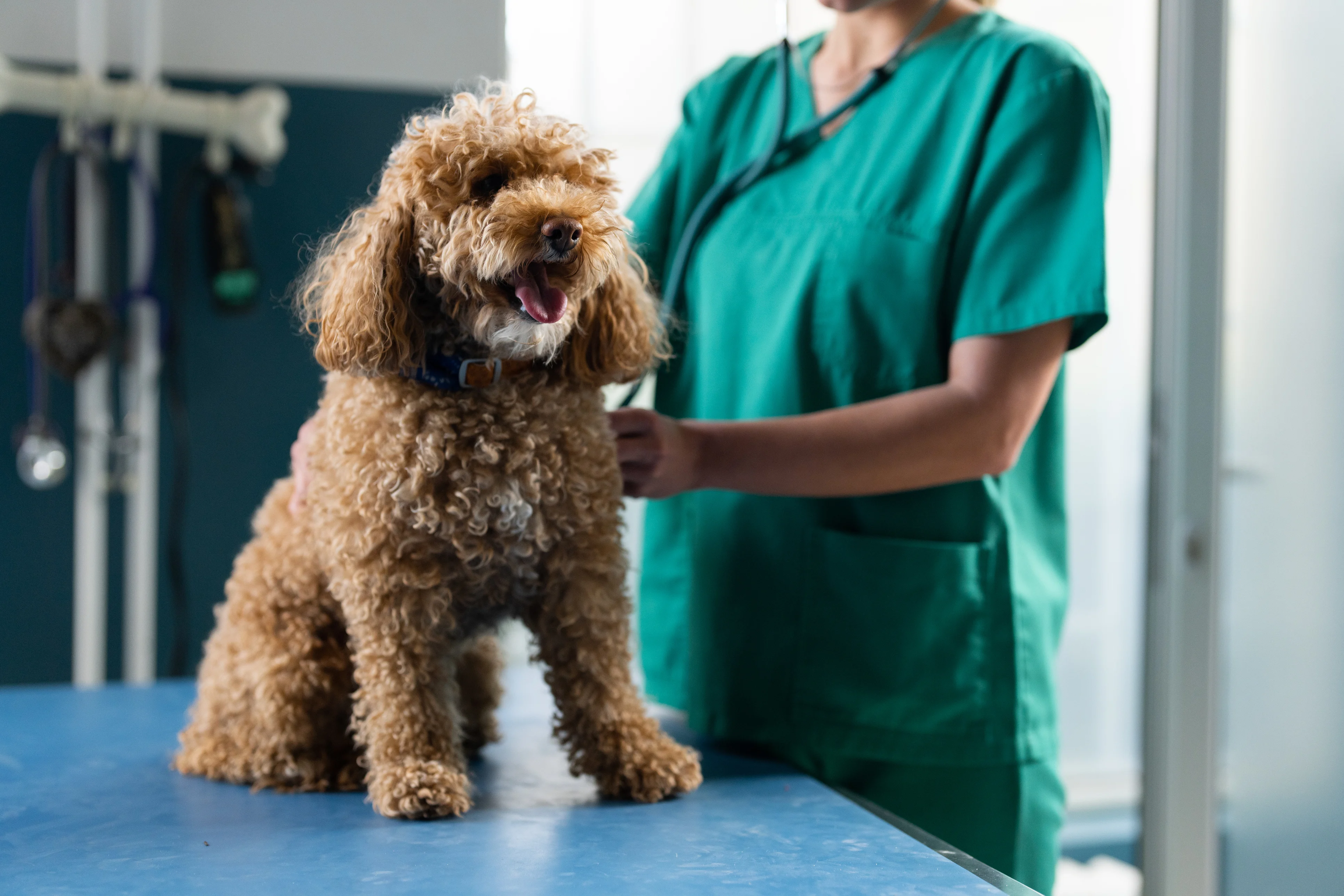
Poodles and poodle crossbreeds may develop dorsally distributed darkening of the haircoat (ie, melanotrichia) accompanied by a regional change in texture. Although anecdotally recognized and informally known as doodle dysplasia or puppy coat reversion, this condition is poorly characterized, and whether the condition represents a true follicular dysplasia (ie, genetically predisposed abnormality in hair follicle growth, cycling, or structure) is unknown.
The goal of this multicenter study was to describe the clinical and histopathologic features of dorsal melanotrichia with or without associated changes in haircoat texture or density in poodles and poodle crossbreeds. Patient history, diagnostic testing, treatments, and outcomes were collected via medical record review and pet owner questionnaires from 4 poodles and 25 poodle crossbreeds (n = 29). Skin biopsy samples collected from 24 dogs were reviewed, and histopathologic features were scored.
Haircoat darkening, texture change (from wavy or curly to straight), and alopecia preceding or accompanying changes occurred most commonly in a serpiginous pattern and a dorsal thoracic and lumbar distribution. All affected dogs had a light-colored, pheomelanin-dominated haircoat (eg, apricot). Histopathologic changes were mild, and no evidence of follicular dysplasia was noted; epidermal pigmentation was well-developed and ranged from moderate to sometimes marked.
Summer was the most common season of onset (12/26 dogs), with some dogs having a history of ≥1 hour per day of sun exposure (13/21 dogs) or grooming near the time of onset (12/21 dogs). When performed, blood work was unremarkable, and some dogs had concurrent pruritus or allergic dermatitis. Eight dogs were treated with various therapies, but no consistently effective therapy was identified; some dogs showed resolution of haircoat changes without treatment. Seven dogs experienced complete resolution; of these, recurrence occurred after 12 months in 3 dogs and after 24 months in 2 dogs.
… The Takeaways
Key pearls to put into practice:
Dogs presented with changes in haircoat color, texture, or density should be closely scrutinized for causes of changes via thorough patient history (including pruritus, recent grooming history, prolonged exposure to UV light, parasiticide administration, or systemic abnormalities [eg, changes in appetite, thirst, urination]), clinical examination, and diagnostic testing (eg, skin cytology, trichograms, skin scrapings, clinicopathologic/endocrine testing, possible skin biopsies).
When collecting skin biopsies for evaluation of hair loss or follicular abnormalities, a parallel line should be drawn with an extra-fine marker in the direction of hair growth along the midpoint of the region to be sampled by punch biopsy so the laboratory can trim the sample along the line and the pathologist can evaluate the entire longitudinal length of the hair follicle.1 Close evaluation for follicular casts, scale, or histopathologic evidence of sebaceous adenitis is recommended, as this condition can also cause haircoat color or texture change in poodles and poodle crossbreeds.2
Several breed-related follicular dysplasias have been recognized in dogs,3 but dorsal melanotrichia in poodles and poodle crossbreeds is unlikely to be currently characterized as a true follicular dysplasia. A genetic component is possible, but this condition is adult-onset and likely represents a multifactorial reaction to follicular injury with potential seasonal or environmental contributors.
Haircoat color and the anagen-predominant hair cycle of poodles and poodle crossbreeds may also play a role in this condition. Information regarding effective treatment is lacking; spontaneous resolution may occur in some dogs. Owners should be informed that cyclical recurrence is possible.
You are reading 2-Minute Takeaways, a research summary resource presented by Clinician’s Brief. Clinician’s Brief does not conduct primary research.