Reactive & Proactive Topical Corticosteroids for Canine Otitis Externa
Amelia G. White, DVM, MS, DACVD, Auburn University
In the Literature
Lorente-Méndez C, Alonso-Miguel D. Hydrocortisone aceponate for chronic otitis: long-term efficacy. Vet Dermatol. 2025;36(6):870-878. doi:10.1111/vde.70008
The Research …
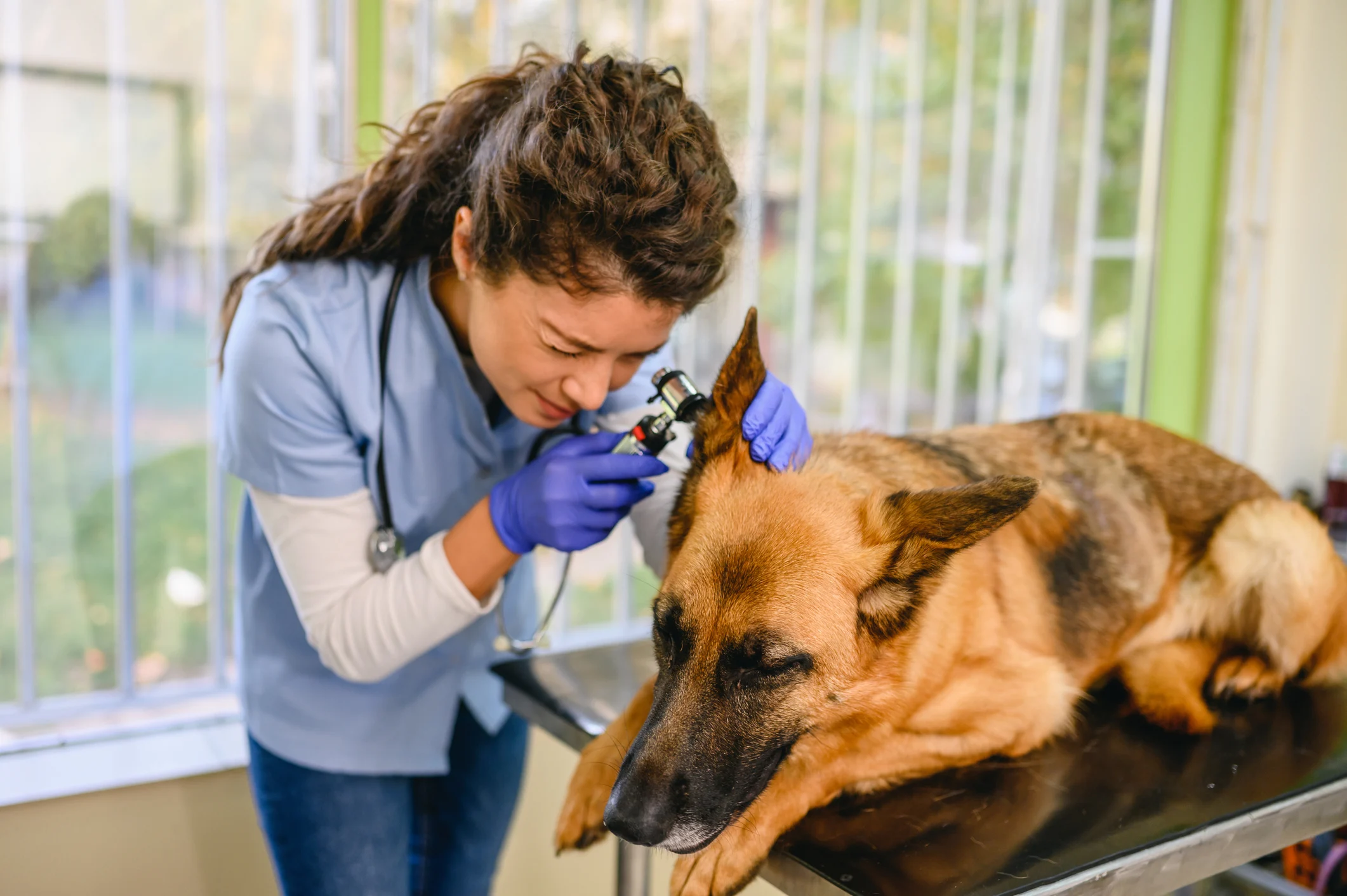
Otitis externa (OE) caused by atopic dermatitis is a common chronic and/or recurrent condition in allergic dogs and requires long-term management.1 Chronic OE that is not managed can cause inflammation that can lead to proliferative epidermal changes, glandular hyperplasia, and stenosis, which may contribute to ongoing infections and treatment failures.2
This study evaluated the safety and effectiveness of topical hydrocortisone aceponate (HAC; 0.584 mg/mL) in management and recurrence prevention of OE in dogs. Noninfected, inflamed ears (n = 115) from 61 dogs with recurrent otitis for ≥1 year or chronic otitis ≥1 month were included. Ears were assessed for severity of otitis using the Otitis Index Score (OTIS3) and by grading stenosis and hyperplasia severity. Cytology was used to classify ceruminous and infectious otitis.
All dogs were enrolled first in the reactive phase, in which treatment consisted of frequent applications of HAC at weight-adjusted doses until inflammation was controlled (OTIS3, <2). This was followed by a proactive phase, in which administration frequency was reduced according to severity of ear inflammation. Treatment ranged from daily to once weekly based on OTIS3 score, degree of hyperplasia, and presence of stenosis.
Atopic dermatitis was the primary cause of otitis in 93.4% of dogs. Concurrent treatments at the time of enrollment included monotherapy or combination therapy with oclacitinib, lokivetmab, allergen-specific immunotherapy, corticosteroids, and ciclosporin. All dogs exhibited inflammation at the time of enrollment, supporting the need for supplementary topical anti-inflammatory treatments for long-term management. In addition, 48.7% of ears had no visible exudate, highlighting the importance of performing otoscopy for assessment of otitis severity.
Most dogs (79.1%) had no recurrence of infectious otitis during the follow-up period (mean, 202.6 days), and all but 1 of these dogs continued to receive topical HAC. Recent bacterial OE and withdrawal of HAC were significantly associated with OE relapse. Otic exudate, hyperplasia, and stenosis were not significantly associated with recurrence, suggesting potential clinical benefit from proactive topical HAC for even severe otic inflammation. No clinical signs of ototoxicity were observed, and the authors concluded that routine use of topical HAC is an effective, safe option for reactive and proactive management of noninfectious OE.
… The Takeaways
Key pearls to put into practice:
Topical corticosteroids are an effective acute treatment and long-term management strategy for control of inflammation in noninfected allergic ears. Common systemic allergy medications alone are not enough to completely control allergic OE in dogs.
Relapses of infectious OE are common in inflamed ears; proactive use of topical corticosteroids can help prevent relapse in most allergic dogs.
Severe inflammation can be well managed with long-term topical corticosteroid application, which may help prevent the need for permanent surgical intervention. Long-term topical corticosteroid therapy with HAC (0.584 mg/mL) is safe, well-tolerated, effective, and easy for pet owners to implement at home.
The products used in this study are not commercially available in the United States. Other commercially available or compounded corticosteroid products may be considered as substitutes; however, these products contain different corticosteroids, which vary in potency, possibly impacting their safety and effectiveness in disease management.2
You are reading 2-Minute Takeaways, a research summary resource presented by Clinician’s Brief. Clinician’s Brief does not conduct primary research.