DENTAL MONTH
Dental Month Challenge Headquarters
Welcome to the Challenge Headquarters! Here you will find everything you need to participate, earn points, and educate your clients and team. Check back in with this page each day during the challenge period (February 10-24) for new opportunities to earn points!

CHALLENGE RESOURCES

Use this report to track the number of dental cleanings your clinic performs and the number of dental pet owner handouts your clinic shares during the challenge period. Keep track in this document before submitting your total numbers on this page at the end of the challenge period!
Have any questions about the challenge and how it works? Submit them here! Our team will get back to you with an answer.
Pet Owner Handout: The Importance of Your Pet's Oral Health
Looking for a way to earn some extra points? Download this pet owner handout to share with your clients and help educate them on the importance of dental health in their pet. Each time you share the handout, you'll earn 5 points!
DENTAL RESOURCES FOR THE VETERINARY TEAM
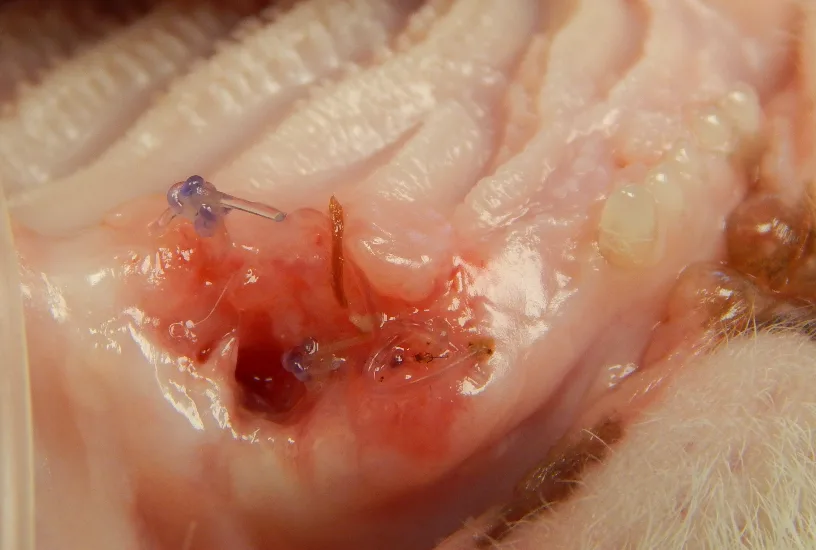
Common complications of dental procedures and extractions can be severe, potentially requiring additional surgical repair or referral to a dental specialist. Reduce your risk with expert tips and helpful images describing the best practices for avoiding the worst possibilities.
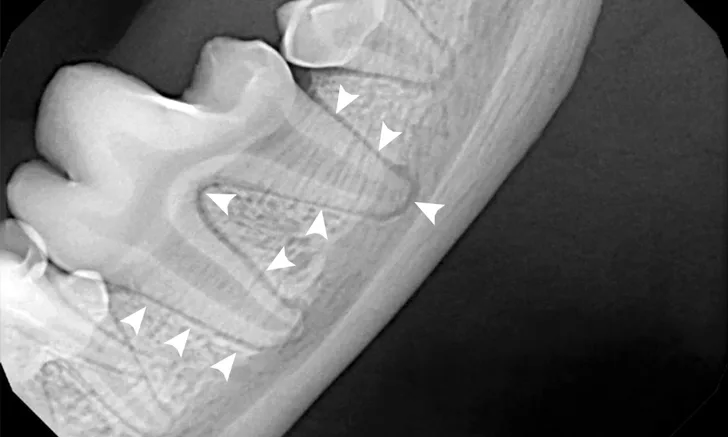
Dental radiography is useful when evaluating for periodontal disease. Use this image gallery to review essential findings in dental radiographs.
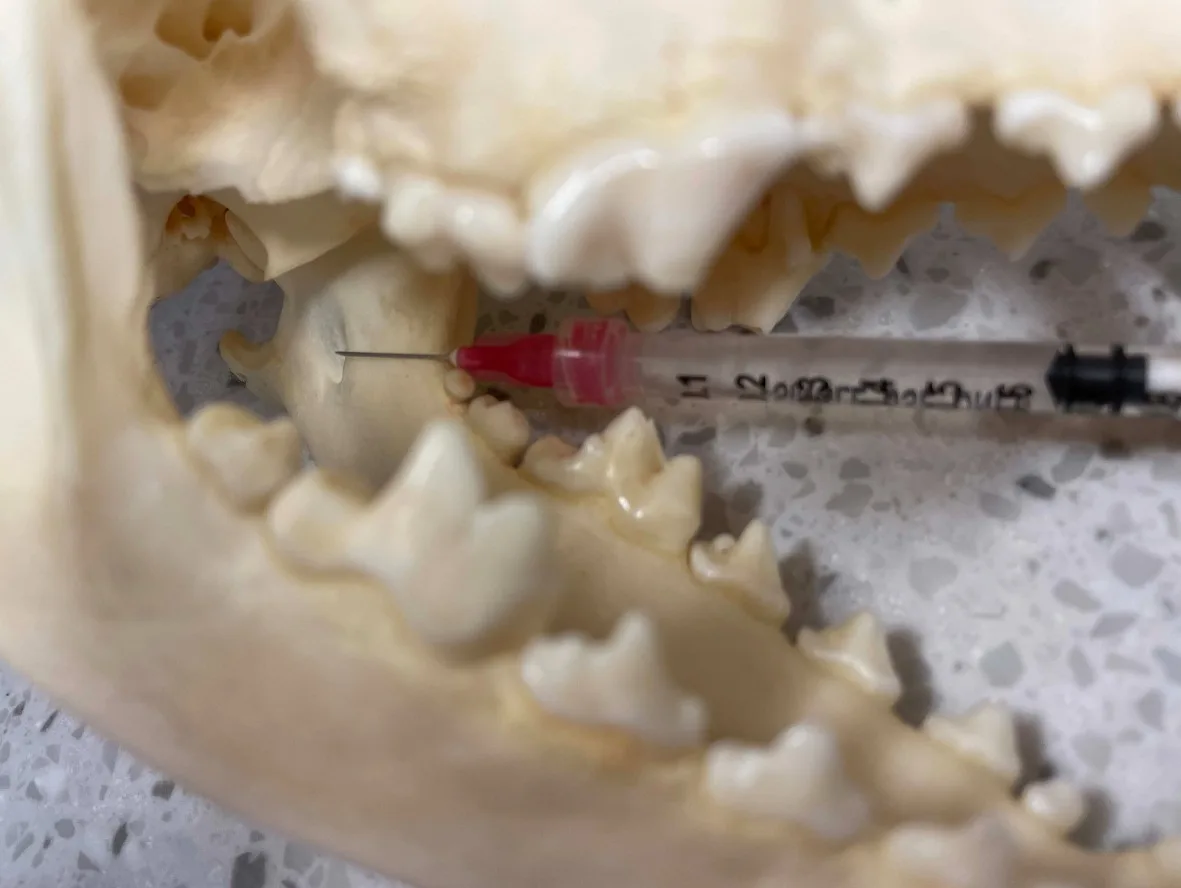
What oral nerve block is shown here? Take a look at this image and test your knowledge now with our quiz!
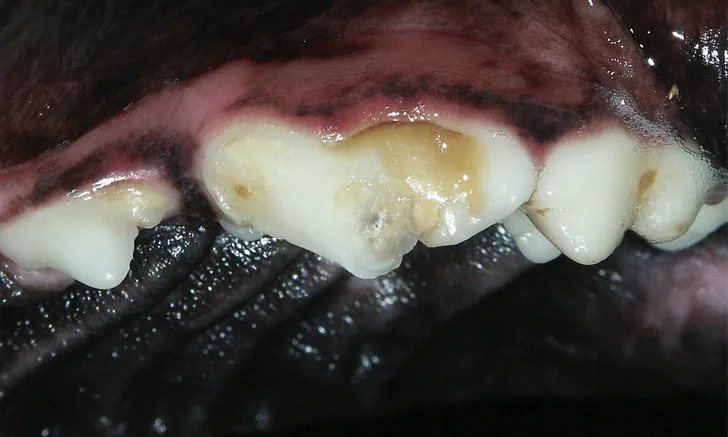
It is important that clinicians be able to identify nonvital teeth so that infection and periapical pathology can be avoided and appropriate treatment can be recommended. Explore these 5 methods for assessing tooth vitality.
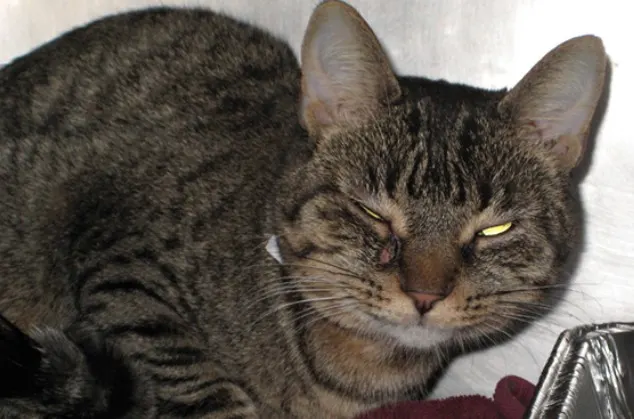
This cat also has oral ulcerations. What is the most likely cause of these signs? Take a look at this image and test your knowledge now with our quiz!
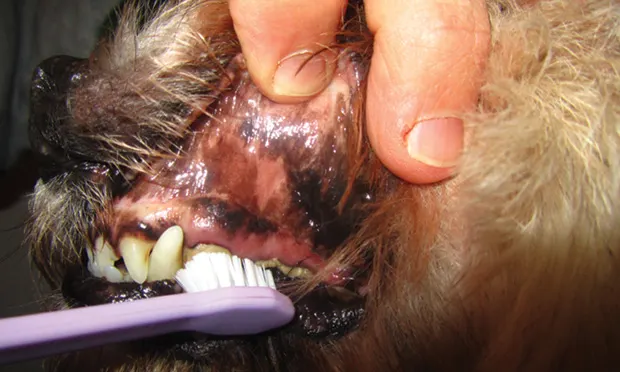
Proper at-home care is essential to oral health. An expert names his top 5 tools for better dental homecare.
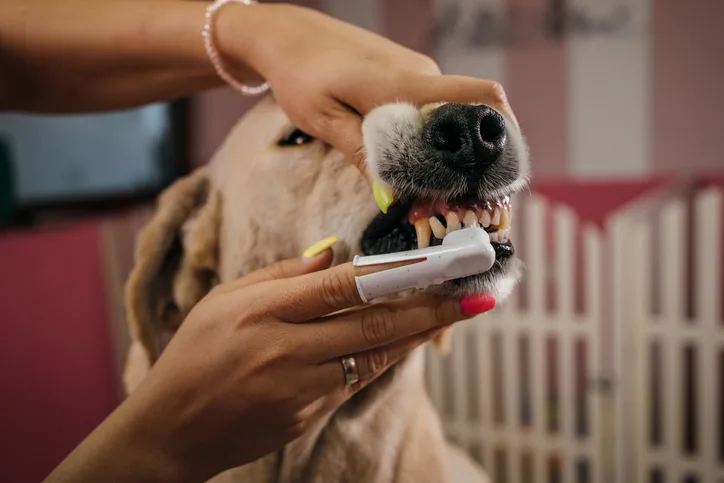
Home dental care can be effective for reducing periodontal disease, but many pet owners are not compliant. Researchers asked about owner commitment to teeth brushing and what might be standing in the way.
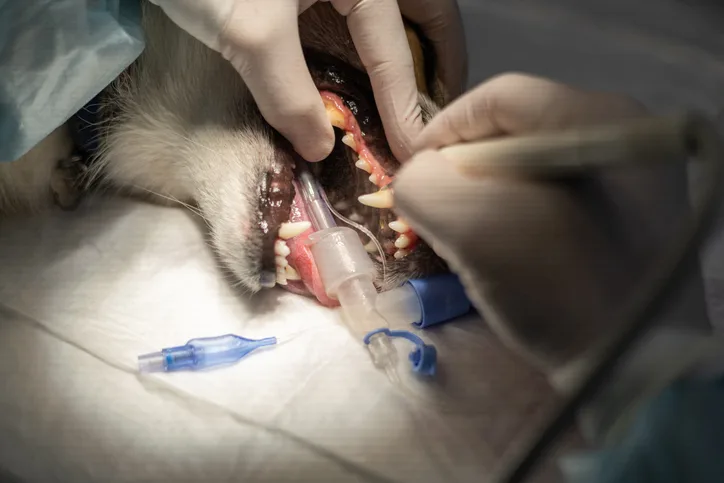
Bacteremia is common in patients during dental procedures and oral surgery. Researchers asked if treatment is necessary by culturing blood samples from dogs with varying levels of periodontal disease.
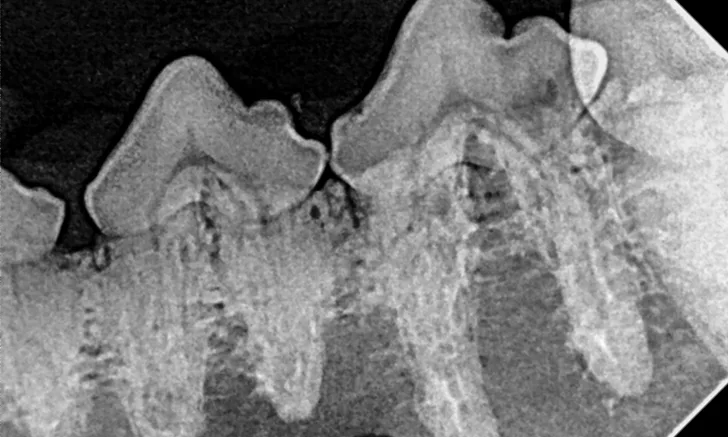
Interpreting dental radiographs can be tricky. Use this image gallery to review common abnormalities found on dental radiographs.

Many types of bacteria are found in the mouths of dogs, but it is unknown how periodontal disease is impacted. Uncover the results of this study that examined the effect of a daily oral care chew on canine oral microbiota.