Therapeutic Snapshot: Imidocarb
Ruth C. Scimeca, VMD, MS, PhD, DACVM-Parasitology, Veterinary Pathobiology, Oklahoma State University
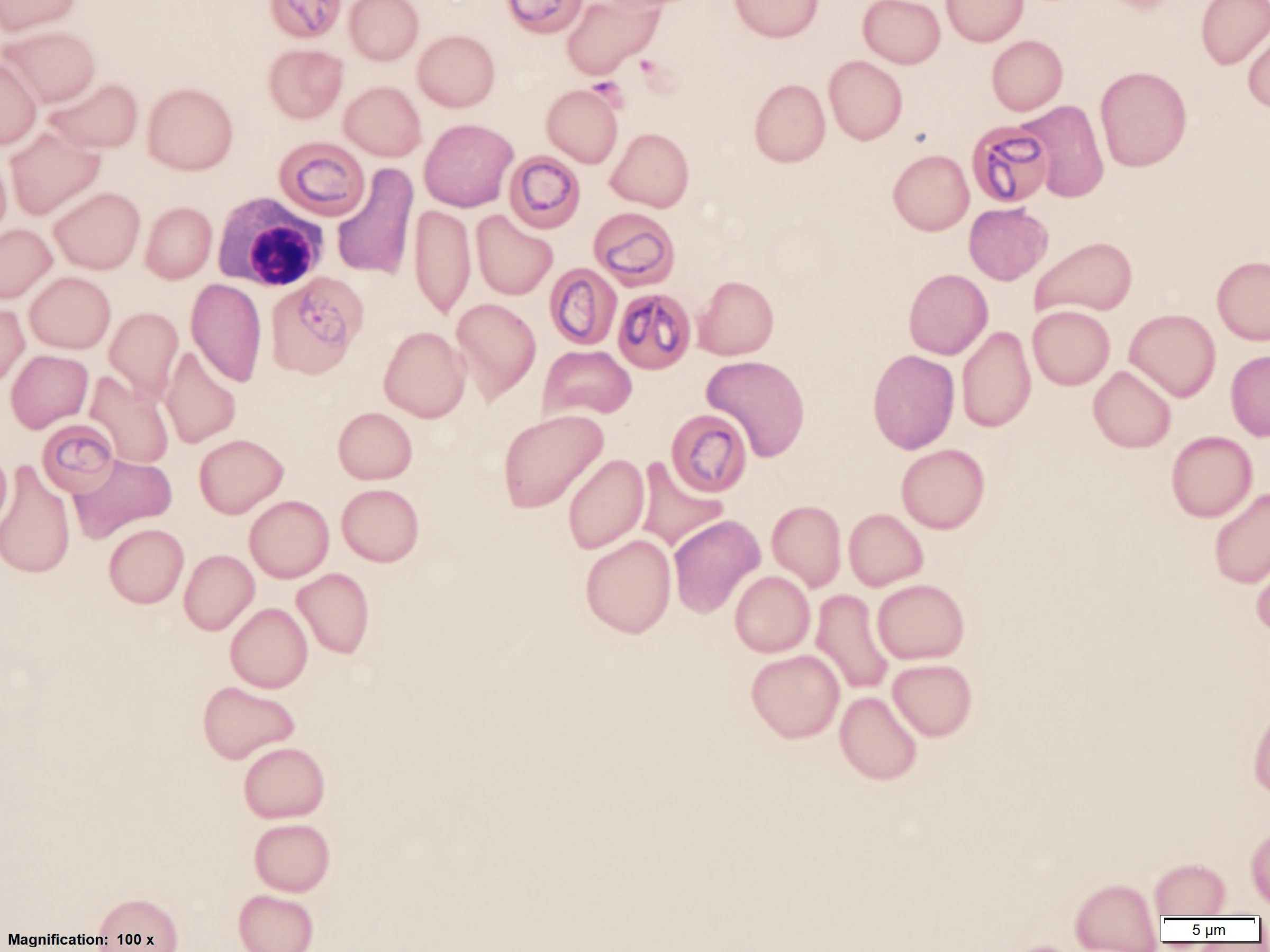
Imidocarb is a carbamide compound used in veterinary medicine as an antiprotozoal in dogs, cats, and other domestic animals (eg, cattle, sheep, horses) and is commercially available as imidocarb dipropionate for intramuscular or subcutaneous administration. Efficacy of imidocarb varies according to the type of protozoal infection, and highest efficacy is against Babesia canis infection. Imidocarb has not been proven as effective as a chemoprophylactic in dogs when administered 2 to 5 weeks before experimental B canis infection,1 and lack of efficacy has been reported in some dogs in Europe.2 Imidocarb has been used extra-label for other protozoal infections (eg, Cytauxzoon sp, Hepatozoon felis).3-5
Drug Molecule Characteristics
Imidocarb is an aromatic diamidine.6 Several mechanisms of action have been described, including inhibition of inositol entry into parasitized erythrocytes, production of polyamines, binding to DNA, and interference with parasite replication.7,8 Imidocarb excretion occurs through the urine and feces.9 The pharmacokinetics of this drug are biphasic, with a large volume of distribution and a mean terminal half-life of 207 minutes in male beagles, indicating that although most of the drug is eliminated in a relatively short time, therapeutic levels of the drug remain for several weeks.10,11
Dosage & Indications
Dosages vary by species and infection type and should be administered in 2-week intervals (Table 1).12-17
Safety Considerations
Administration of imidocarb can cause pain at the injection site. Some patients display cholinergic signs (eg, profuse salivation, lacrimation, vomiting, diarrhea), which might be associated with the inhibition of acetylcholinesterase activity in blood caused by imidocarb. Atropine (0.01 mg/kg IV) has been shown to block signs of imidocarb toxicosis and can be administered to dogs before imidocarb injection to avoid cholinergic signs.11,18 No signs of toxicity or effects on fertility, gestation, or appearance were detected in dogs administered the recommended dose; however, the product label indicates safety has not been determined in puppies or in breeding, lactating, or pregnant animals.19
Patients with hepatic or renal disease are at higher risk for toxicosis (with some studies describing degenerative changes and necrosis in renal tubular epithelial cells), liver enlargement, or liver necrosis in the case of overdose; this drug should thus be used cautiously in dogs with renal or hepatic disease.20-23
Evidence of Efficacy
Babesia spp Infections
Efficacy of imidocarb is variable based on the Babesia spp and is most successful in eliminating Babesia vogeli (previously known as Babesia canis vogeli), which is the less virulent of the large Babesia spp.24,25 A study demonstrated that although imidocarb eliminates B canis, this drug can reduce the lifetime of circulating protective antibodies by interrupting the antigenic stimulation, making dogs susceptible to reinfection.26 Failure to clear canine babesiosis caused by B canis has been described in a dog in Germany with suspected imidocarb resistance.2
Imidocarb is less effective against Babesia gibsoni; however, reduced clinical signs and mortality have been reported.27,28 Consequently, imidocarb can be suggested in cases in which more effective treatments are not available or pet owner finances are a concern.29 Babesia conradae, Babesia microti-like,and Babesia vulpes are nonresponsive to imidocarb; use is thus not recommended for these infections.29,30Babesia felis is mostly described in cats in South Africa, Europe, and Africa, with positive outcomes described after treatment with imidocarb.30
Other Bacterial & Protozoal Infections
Efficacy of imidocarb on other bacterial (eg, Ehrlichia canis in dogs) and non–Babesia spp protozoal infections is null or insufficient.31 Coinfections with other bacteria (eg, Ehrlichia spp, Anaplasma spp) and B vogeli can be treated with imidocarb in addition to doxycycline.32 A study of imidocarb efficacy in cats infected with Mycoplasma haemofelis and/or Mycoplasma haemominutum concluded that imidocarb is not effective for these epierythrocytic parasites.33
Efficacy of imidocarb for Cytauxzoon felis infection in cats is reduced compared with atovaquone and azithromycin, which are the recommended treatment options.34,35
Hepatozoon canis in dogs has been successfully treated with imidocarb alone or in combination with doxycycline, toltrazuril, tetracycline hydrochloride, and trimethoprim/sulfamethoxazole.36 A few case reports, however, have demonstrated that imidocarb alone or in combination with doxycycline does not clear H canis infection.15,37-39