Quiz: Beyond Fluoxetine: A Multimodal Approach to Anxiety, Aggression, & Fear in Cats
Ellen M. Lindell, VMD, DACVB, Veterinary Behavior Consultations, Asheville, North Carolina
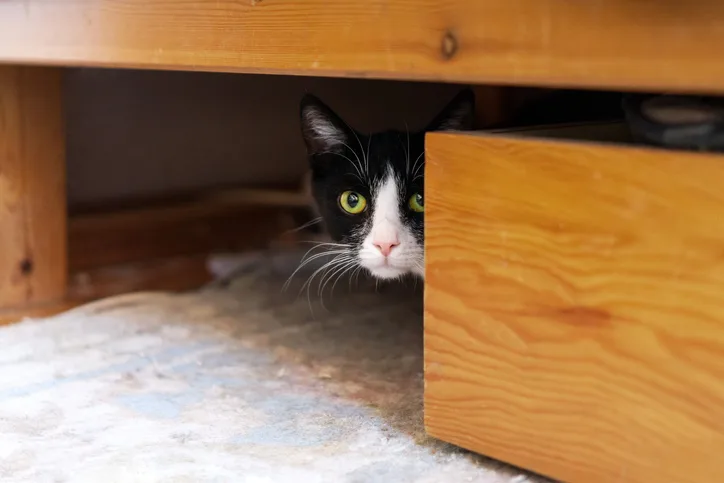
Anxiety can cause distress for both pets and owners and may result in destructive behavior and sometimes injury. Our Anxiety clinical portal can help with understanding patient anxiety and other behavioral issues and provides tips on behavioral modification techniques and pharmacologic options.
Feline behavior cases can appear challenging. Common misconceptions include that proper drug selection is the only solution and prescribing medication alone is sufficient for a positive outcome; however, successful outcomes depend on 2 key factors. Patient history must be objectively evaluated (especially the timeline of physical illnesses, behavioral changes, and significant environmental events), and a multimodal, integrated treatment approach should be used to address well-being and reduce stress. Pharmacologic intervention should not be considered as a sole treatment modality for management of feline behavioral concerns. When used in conjunction with behavioral and environmental modification, medications (eg, selective serotonin reuptake inhibitors [SSRIs]) can reduce fear, frustration, and anxiety and facilitate a positive outcome; however, many patients improve with multimodal environmental modification alone.1
Take the Quiz
Conclusion
Physical and behavioral illnesses are integrated, and a whole-health approach to medicine is needed. Pain predisposes patients to stress-related illnesses, and chronic stress can trigger or exacerbate pain. Modifications of the physical environment, the social environment, and the patient’s behavioral and emotional responses are as important as pharmacological and dietary interventions when developing a therapeutic plan.