Top 5 Situations That May Predispose a Dog to Aggression
Carlo Siracusa, DVM, PhD, DACVB, DECAWBM, University of Pennsylvania
Alexandra L. Cox, DVM, University of Pennsylvania
Anna L. Mukhina, DVM, University of Pennsylvania
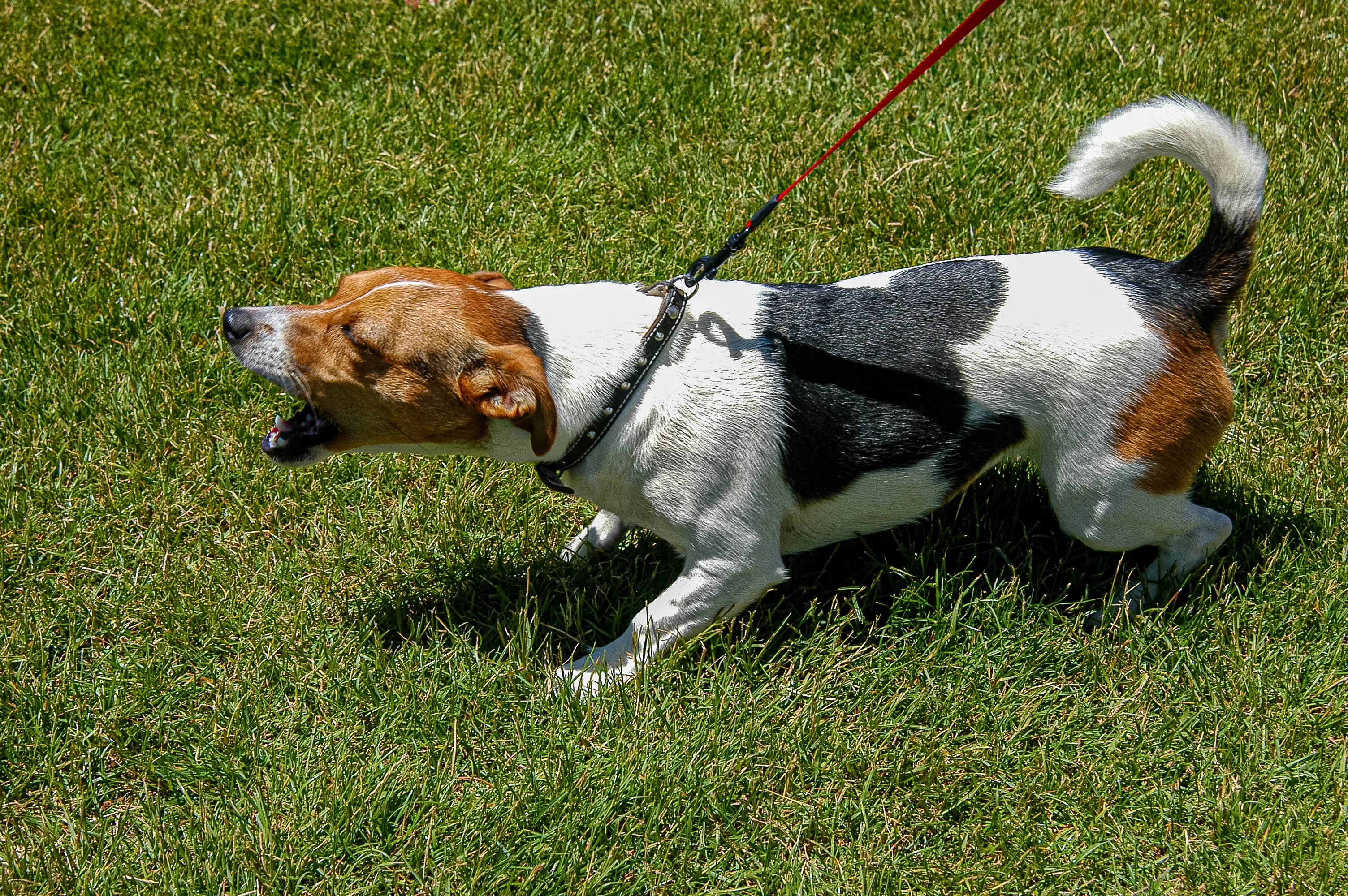
Aggressive behavior in dogs can be defined as threatening behavior intended to increase distance from the perceived threat and, in some cases, to cause harm to the threat. Fear-related aggression is possible when dogs perceive a threat to themselves or their resources (or interpret human or canine behavior as threatening).1 Any dog can show aggression when a threat is perceived or their threshold for aggression (which can be influenced by many factors) is exceeded.
These are the top 5 situations that may predispose a dog to become aggressive according to the authors.
1. Worsening Fearful or Anxious Behavior
Fearful or anxious temperaments in dogs often arise from a combination of genetic, epigenetic, and early life experiences. Although a single traumatic event can sensitize some dogs, most aggressive behaviors develop gradually from puppyhood (particularly perinatally and during the socialization period of 3-12 weeks of age) into adulthood. Lack of positive, early, and appropriate exposures to humans, other dogs, noises, and novel stimuli are critical in development of aggression; however, early exposure to public environments does not necessarily reduce the likelihood of interdog aggression in adulthood, highlighting the need for carefully managed and positive socialization experiences.2 Negative experiences during early public outings may predispose puppies to aggression later in life.
When a dog perceives a threat or challenge, stress responses trigger a cascade of biological processes (including sympathetic upregulation and production of neurohormones like cortisol), leading to increased emotional arousal and behavioral displays of fleeing, freezing, fidgeting, or fighting (aggressing).3 Nonaggressive displays of fearful behavior (eg, avoidance, stiffening) and displacement displays typical of anxious behavior (eg, excessive jumping, licking) are often perceived as benign but are signs of the same pathophysiologic processes that can lead to aggressive behavior and should not be ignored.
Worsening signs of fear and anxiety must be addressed, as they may signal an upcoming onset of aggression; however, not all fear or anxiety evolves into aggression. Aggression encompasses a spectrum of behavior that can range from mild, appropriate displays (eg, barking, growling) to more intense responses (eg, lunging, snapping, biting).4,5 For example, a dog that normally growls to increase distance may escalate to lunging or biting if an unfamiliar human leans over them or they are exposed to frightening stimuli (eg, noises, unexpected movements) or environments (eg, veterinary clinic).
2. Early Onset of Aggression
Dogs commonly adopt a proactive coping style in response to fear as they reach social maturity (typically around 3-4 years of age). Many dogs that are not aggressive as puppies may begin to show or escalate aggressive behaviors around 1 to 1.5 years of age. Puppies that display fearful behaviors (eg, avoidance or freezing in changing or new environments) tend to show persistent fearful behaviors into adulthood; such behaviors may develop into increasingly proactive behaviors (eg, growling, lunging, biting) during social maturation.6-8 Initial distance-increasing signals (eg, hard staring, tense body posture) may evolve to more overt aggression.
Early-onset aggression is believed to have a poor prognosis and should prompt referral to a veterinary behaviorist. Aggressive displays of growling, lunging, and attempting to bite have a different prognostic value in dogs 4 months of age when these behaviors are atypical and unexpected rather than at 20 months of age when the dog is undergoing social maturation.
No breed predisposition has been proven significant to development of aggressive behavior, but small breeds are overrepresented.9,10 Neutering may reduce hormonally driven behaviors (eg, mounting, roaming, marking, intermale aggression) but does not decrease most forms of aggression.11
Although dogs acquired from shelters do not have an increased risk for developing aggression, caregivers may report increased aggression within 3 to 4 months after adoption, highlighting the importance of continued vigilance in monitoring behavioral changes.12,13
3. Inappropriate Interactions With Caregivers
The human–animal bond is paramount, as weak bonds can increase fear-based responses. First-time caregivers may misread dog behavior, further increasing the risk for escalating aggression.14 Certain caregiver actions (eg, leaning over the dog, petting the dog on the head, staring directly at the dog, sudden movements near the dog) can be interpreted as threatening and trigger aggression, particularly when the dog is already aroused or in a stressful situation or the action is performed by a human the dog does not know or trust.15,16 These behaviors can precede bites to humans interacting with the dog and should be understood and avoided by caregivers.17
Children under 13 years of age are often perceived as threatening due to rapid and unpredictable movement and behavior. Notably, most bites to children originate from household dogs; homes with children between the ages of 5 and 9 years are overrepresented.18
Punishment-based training increases the likelihood of stressed, fearful, and/or aggressive behavior, which may be directed at the human administering the punishment or to others present when the correction occurs.19,20 Although punishment-based training can appear effective in preventing unwanted behavior at the time of correction, the underlying cause remains unaddressed, and the dog’s stress level may increase, leading to an overall progression of problem behaviors.21
4. Comorbidity With Pain or Other Physical Disease
Physical disease that causes acute pain, as well as chronic pain or discomfort, can contribute to elevation of baseline anxiety levels and increase aggressive behavior. Common causes include dermatologic or orthopedic issues, which may increase irritability and lower a dog’s threshold for demonstrating fearful and aggressive behaviors. Pain should always be considered in cases of sudden aggression in socially mature dogs.22 In senior dogs, sudden behavior changes should also warrant consideration of canine cognitive dysfunction syndrome in addition to neurologic disease and other age-related concerns.23,24
5. Underlying Anxiety
Elevation of a dog’s anxiety baseline due to high levels of excitement, changes in their environment or routine, loud noises, and/or visual or other triggers can reduce the arousal typically needed to react negatively or out of fear. Some dogs have a predisposition to becoming easily overstimulated, anxious, or overly excited (eg, emotional dysregulation).
Resource guarding (eg, food, toys, resting spaces, attention from a human) is often an early form of aggression. Although commonly considered a somewhat expected behavior in dogs, underlying anxiety can worsen resource guarding by increasing the dog’s anticipation of losing valued resources, leading to increasingly aggressive responses.25 Dogs rarely guard their caregivers but may show proactive behaviors (vs passive responses) around trusted caregivers, leading to increased aggressive behavior.26
Conclusion
Aggression in dogs is rarely a spontaneous event, but rather a complex, multifactorial behavior often rooted in stress, fear, and anxiety. By understanding factors that may predispose a dog to aggression—ranging from critical periods of behavioral development and physical health comorbidities to environmental stressors and social interactions—veterinary professionals can better identify at-risk patients before behaviors escalate. Early recognition of these predisposing factors is critical to implementing safety measures, improving the dog’s welfare, and preserving the human–animal bond.
What to Know: Recognizing Potential for Aggression in Dogs
Most aggressive behaviors in dogs are associated with activation of the biological stress response, which also triggers negative emotions (eg, fear, anxiety). Signs of increasing fear or anxiety can include avoidant or freezing body language often mistaken for calm behavior and may help anticipate aggressive behavior.
Increasingly aggressive behavior may be seen as dogs reach social maturity (typically starting at 1-4 years of age).7,8 An earlier onset of aggression, even if initially mild, may carry a worse prognosis.
Dogs may perceive human body language as threatening, which can increase the risk for fear-based aggression. Caregivers should be educated on how to interact appropriately with dogs and how to recognize signs of fear or anxiety in canine body language. Misinterpreting or ignoring these signals can lead to unsafe situations, including risk for bites.
Aversive techniques and punishment-based training methods can result in increased aggression directed at the human administering the punishment or others present at the time the correction is used.
Aggressive behavior in dogs is multifactorial. Pain and underlying physical disease can contribute to aggressive behavior either directly (if a painful body part is touched) or indirectly (by elevating baseline anxiety).
Changes in baseline anxiety from schedule, routine, or environmental changes and other stressors can contribute to increased risk for aggressive behaviors.