Clinical Suite: A Team-Based Approach to Periodontal Disease
Sponsored by Dechra
Periodontal disease is a disease process that starts with gingivitis and can progress to periodontitis if left untreated.1 Gingivitis (ie, inflammation of the gingiva) is the only stage of periodontal disease that is reversable.2 Periodontitis is a more advanced stage of disease characterized by destruction of the supporting structures, including bone loss around the teeth.
Periodontal disease is triggered by bacteria found within plaque, the sticky biofilm that accumulates on the surface of teeth. These bacteria initiate an inflammatory response in the surrounding tissues.1 Affected tissues can include the gums (gingiva), periodontal ligament (the ligament that holds the tooth in the jawbone), the cementum (calcified tissue surrounding the tooth roots), and the alveolar bone (bone surrounding the tooth roots).
Periodontal disease is one of the most common diseases encountered in small animal veterinary practice. Although the reported prevalence varies, 73% of dogs and 64% of cats seen at a Banfield hospital in 2023 were documented to have dental-related issues.3
The Impacts of Periodontal Disease
Although periodontal disease is irreversible, it can be managed and its progression can be slowed. Unmanaged periodontal disease, however, can have a variety of negative impacts on an animal’s health, including both local and distant effects.
Unmanaged periodontal disease, however, can have a variety of negative impacts on an animal’s health, including both local and distant effects.
The inflammation associated with periodontal disease can be painful, affecting an animal’s ability to chew. Periodontal disease is also a common cause of tooth loss, weakening the structures that surround and anchor the tooth. If left untreated, severe periodontal disease can weaken the mandible, causing mandibular fractures.4
Periodontal disease can also have systemic impacts on affected patients. Studies conducted in dogs have correlated inflammatory or degenerative changes in distant organs (eg, kidney, liver, heart) with an increasing severity of periodontal disease.5,6 Periodontal disease has also been associated with a potentially increased risk for development of kidney disease.7-9 These impacts underscore the need to effectively diagnose, treat, and prevent periodontal disease in canine and feline patients.
Diagnosis & Treatment of Periodontal Disease
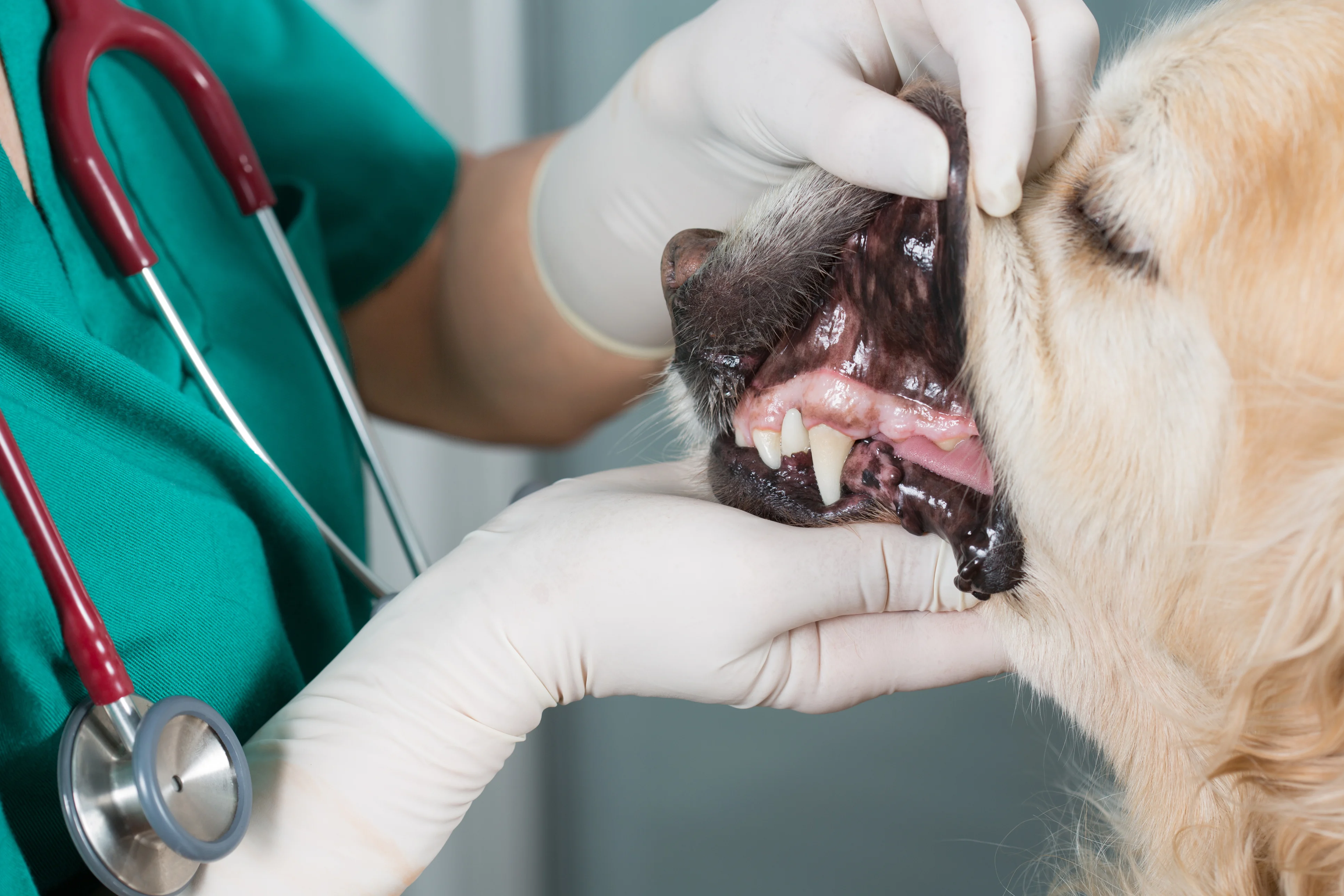
In most patients, diagnosis of periodontal disease begins with physical examination findings during a routine veterinary visit. Completing a conscious oral examination as part of every physical examination, even in young patients, is important to identifying patients more prone to accumulation of plaque and calculus.
Although examination findings are a valuable indicator of periodontal disease, changes are often not visible during the early stages of disease; therefore, periodontal disease is often underdiagnosed. Signs of periodontal disease may include halitosis (ie, bad breath), dental calculus, gingivitis, and/or loose teeth. Based on these findings, the veterinarian typically recommends a comprehensive oral health assessment and treatment to determine the extent of a patient’s dental disease.
Signs of periodontal disease may include halitosis (ie, bad breath), dental calculus, gingivitis, and/or loose teeth.
Periodontal disease is more definitively diagnosed with a thorough oral examination, including the probing of periodontal pockets, and dental radiography. This requires general anesthesia, because probing and radiography cannot be performed in an awake animal. Radiography is an important part of staging a pet’s periodontal disease, as significant disease can hide below the gum line.
Periodontal disease is graded on a scale of 0 to 41:
Stage 0: No evidence of periodontal disease
Stage 1: Gingivitis without attachment loss
Stage 2: Early periodontitis, <25% attachment loss (based on probing or radiographic findings)
Stage 3: Moderate periodontitis, 25% to 50% attachment loss
Stage 4: Advanced periodontitis, >50% attachment loss
Treatment of periodontal disease depends on the severity of attachment loss. Professional dental cleaning, including the removal of calculus and plaque that harbor bacteria, is necessary in all cases of periodontal disease. Periodontal treatments such as root planing and curettage may also be required, depending on the severity/stage of disease. Locally acting antimicrobials may be placed in periodontal pockets to manage local infection, and extractions may be required for teeth that cannot be salvaged.
Professional dental care must always be followed by home dental care, which is essential to providing continued control of plaque and tartar.
Prevention of Periodontal Disease
Rather than waiting for patients to develop periodontal disease, which can have potentially harmful local and systemic effects, veterinary professionals should take a preventive approach to help support better oral health outcomes. There are 2 components to periodontal disease prevention: regular professional dental cleanings and daily home dental care.
True dental prophylaxis (ie, complete dental cleaning, polishing, and intraoral radiography in the absence of obvious lesions) is recommended in cats and small- to medium-breed dogs by the time they are 1 year of age and in large-breed dogs by the time they are 2 years of age.2
Daily brushing is considered the gold standard for home dental care because it is the most effective way to remove plaque and prevent periodontal disease.10 Most pets can be taught to accept daily toothbrushing if their owners are committed to consistent reinforcement-based training. Pet toothpastes such as VETRADENT® Toothpaste are flavored to help make brushing more enjoyable for pets while fighting back against tartar accumulation.
Daily brushing is considered the gold standard for home dental care because it is the most effective way to remove plaque and prevent periodontal disease.
In addition to daily brushing, or if daily brushing is not feasible (due to the pet’s temperament or other constraints), there are a variety of other options available for home dental care. These products, which include VETRADENT® Dental Wipes, Dental Spray, and Water Additive (liquid or powder) as well as dental chews, allow clients to select a form of home dental care that works for them and their pet.
Although alternative methods of home care are typically regarded as less optimal than daily toothbrushing, they can offer significant benefits. Products with the Veterinary Oral Health Council (VOHC) seal of acceptance must show a statistically significant benefit for pets when compared with pets not receiving the product. In a controlled, randomized, masked study involving 60 beagles, dogs treated with VETRADENT® Water Additive (liquid or powder) for 84 days had 25.4% lower tartar scores as compared with dogs treated with a placebo.11 In a separate, controlled, randomized, masked study involving 50 beagles, dogs treated with VETRADENT® Dental Wipes had 58.9% lower tartar scores as compared with the dogs receiving no treatment.11
Home dental care relies on daily action, and clients should be encouraged to select home care products that work for their lifestyle. Brushing is ideal but is not the only option. Dental wipes provide an alternative to assist in removal of tartar and plaque. Combining active methods (ie, brushing, wipes) with passive methods (ie, diet, water additive, chews, sprays) may help improve plaque and tartar removal. Offering a variety of home dental care options can help improve client compliance.
Veterinary Team Roles in Periodontal Disease Management
Optimize your patient care with a team-based approach to the prevention, diagnosis, and treatment of periodontal disease.
Client Service Representative
Be equipped to communicate the importance of regular professional dental cleanings and home dental care.
Explain available home dental care options, including toothbrushing, dental wipes, dental sprays/rinses, water additives, and dental chews.
Recognize potential red flags of dental disease during client phone calls and schedule physical examinations appropriately.
Express empathy for clients whose pets are showing signs of periodontal disease or are being treated for more advanced disease.
Schedule and explain comprehensive oral health assessment and treatment procedures, and be prepared to answer common client questions about anesthesia, radiography, and recovery.
Present clients with financial options to facilitate professional dental care. Coordinate patient follow-up appointments as needed.
Veterinary Assistant
Obtain a thorough patient history, paying attention to potential signs of dental disease (eg, decreased appetite, trouble chewing, bleeding gums).
Educate clients about the risks associated with periodontal disease.
Provide clients with relevant educational materials on periodontal disease.
Talk to clients about the importance of regular professional dental cleanings and daily home dental care.
Collaborate with clients to determine the best home dental care option for a given pet.
Answer client questions about veterinarian-recommended treatments and discuss both expected benefits and potential side effects.
Help clients work through potential barriers to professional dental cleanings and other dental treatments, discussing topics such as anesthetic safety and payment options.
Work with the veterinarian to perform thorough dental cleanings and obtain diagnostic dental radiographs.
Communicate patient follow-up recommendations to clients.
Veterinarian
Lead client education regarding dental health, including communicating the risks associated with periodontal disease.
Share relevant educational materials on periodontal disease.
Talk to clients about the importance of regular professional dental cleanings and daily home dental care.
Perform an oral examination on every patient presented for a physical examination.
Share any oral examination findings that may suggest an increased risk for dental disease.
Prepare treatment plans for professional dental cleanings and other dental procedures.
Address client barriers related to professional dental cleanings, including cost and anesthetic safety.
Perform thorough oral health evaluations on patients anesthetized for a professional dental cleaning, evaluating periodontal pockets and dental radiographs.
Promote lifelong oral health by establishing an individualized follow-up and maintenance plan.
Raise awareness and educate pet owners about periodontal disease through the practice newsletter, social media channels, et cetera.
For a downloadable handout on periodontal disease to share with clients, visit www.cliniciansbrief.com/article/pet-owner-handout-importance-of-your-pets-oral-health
Conclusion
Periodontal disease is a common condition, affecting most patients in small animal practice. Although periodontal disease has obvious impacts on oral health, it can also have impacts on a pet’s systemic health.
Home dental care plays a key role in both the prevention and treatment of periodontal disease. Effective home care removes plaque from the surface of a pet’s teeth, reducing the number of harmful bacteria within the mouth that can contribute to periodontal disease. Although toothbrushing is considered the gold standard for home dental care, pet owners have a variety of other options available if they are unable to regularly brush their pet’s teeth. Adopting a team-based approach to dental education can help ensure that all patients receive personalized home dental care recommendations while also maximizing the likelihood of effectively diagnosing and treating periodontal disease.
VETRADENT and Biotrate are registered trademarks of Dechra Veterinary Products, LLC. All other trademarks are trademarks of their respective owners.