Complications of Bandages in Cats
Nina R. Kieves, DVM, DACVS-SA, DACVSMR (Canine), CCRT, Arthrex
In the Literature
Clayton D, Costello S, Olive M, et al. Incidence of bandage-associated complications in cats following clean orthopaedic procedures: a retrospective study of 152 cases. Vet Comp Orthop Traumatol. 2026;39(2):126-132. doi:10.1055/a-2655-9218
The Research …
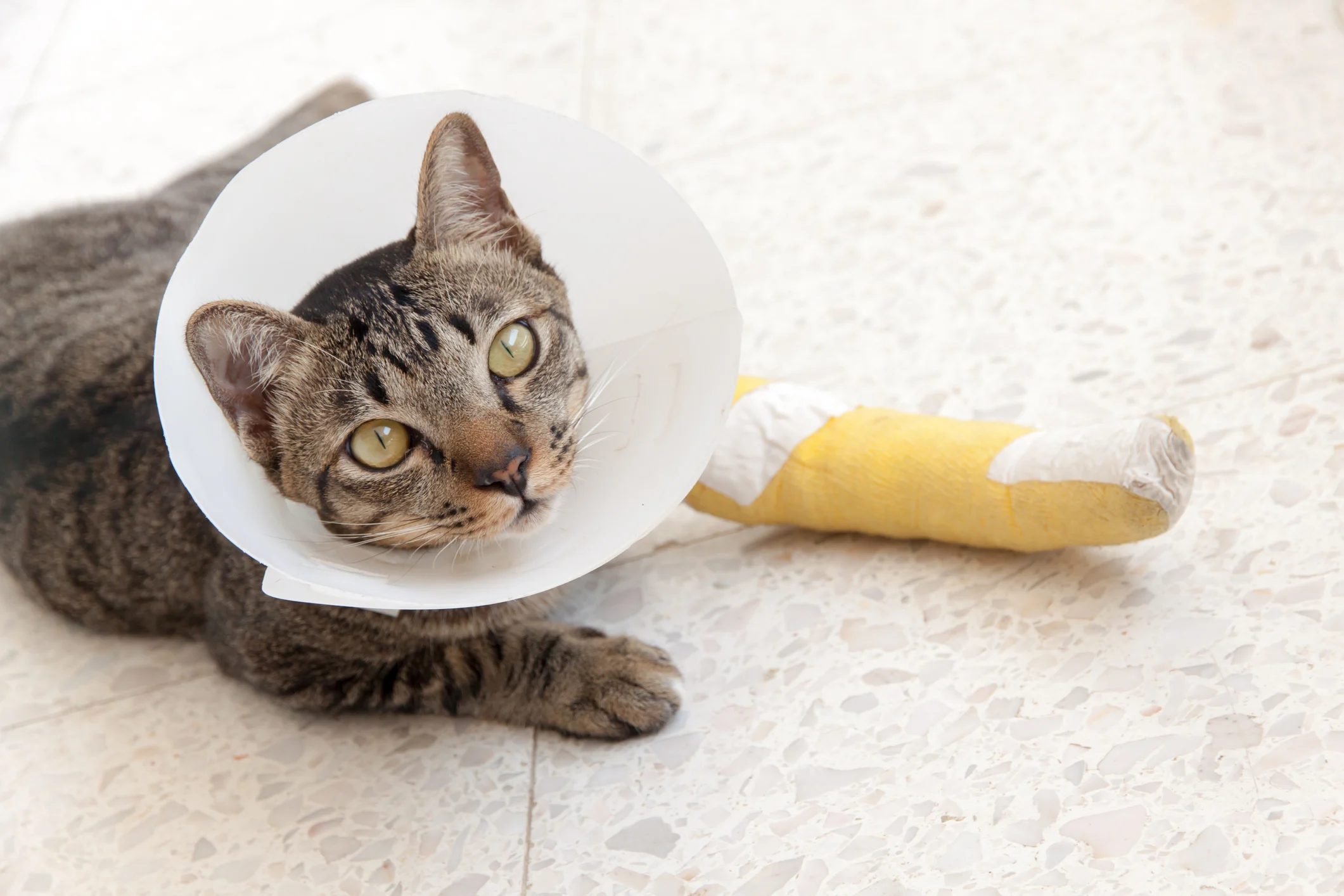
External coaptation is commonly used in feline orthopedics for protection, support, and immobilization following surgery or in place of surgery when appropriate; however, growing evidence suggests cats tolerate bandages poorly and may be at a higher risk for complications compared with dogs.1
This multi-institutional retrospective study evaluated cats (n = 152) that received bandages following clean orthopedic procedures, with the goal of determining complication rates, severity of complications, and contributing factors.
Complications occurred in 68.4% of cats. Most were characterized as mild (64.4%), but moderate (32.7%) and severe (2.9%) complications were also recognized. Severe complications included tissue necrosis, osteomyelitis, and digit amputation, highlighting that bandage morbidity can lead to poor outcomes.
Frequently encountered issues were soiled/wet bandages (34.6%), skin irritation (31.7%), bandage slippage (30.8%), pressure sores (29.8%), chewing at the bandage (20.2%), and swollen toes (19.2%). Although overall complication rates were not significantly influenced by duration, limb, or bandage applicator, cats with a cast or splint were 3.42 times more likely to experience a severe complication than cats without.
The findings of this study align with prior reports that demonstrated high complication rates with casts and splints in small animals (including soft-tissue injury rates of >60% in one study2) and support a continued shift toward minimizing external coaptation when possible.3
… The Takeaways
Key pearls to put into practice:
Bandage complications occur in nearly 70% of cases; careful case selection and appropriate pet owner education are thus imperative.
Splints can increase the risk for severe complications and should be used judiciously. Surgical intervention in lieu of a splint can be considered for faster limb use, improved patient comfort, and avoidance of bandage-associated complications.
Most bandage complications are management related (eg, moisture, slippage, pressure injury), highlighting the importance of meticulous application and frequent reassessment. Cats are more likely than dogs to soil bandages, usually by stepping in a wet litter tray or water dish; frequent reassessment is essential.
Distal limb bandaging may carry a higher risk for complications, particularly at the tarsus and below; these cases require close monitoring.
You are reading 2-Minute Takeaways, a research summary resource presented by Clinician’s Brief. Clinician’s Brief does not conduct primary research.