Stenotic Nares Treatment in Brachycephalic Cats
Marie Burneko, VMD, DACVS-SA, University of Pennsylvania
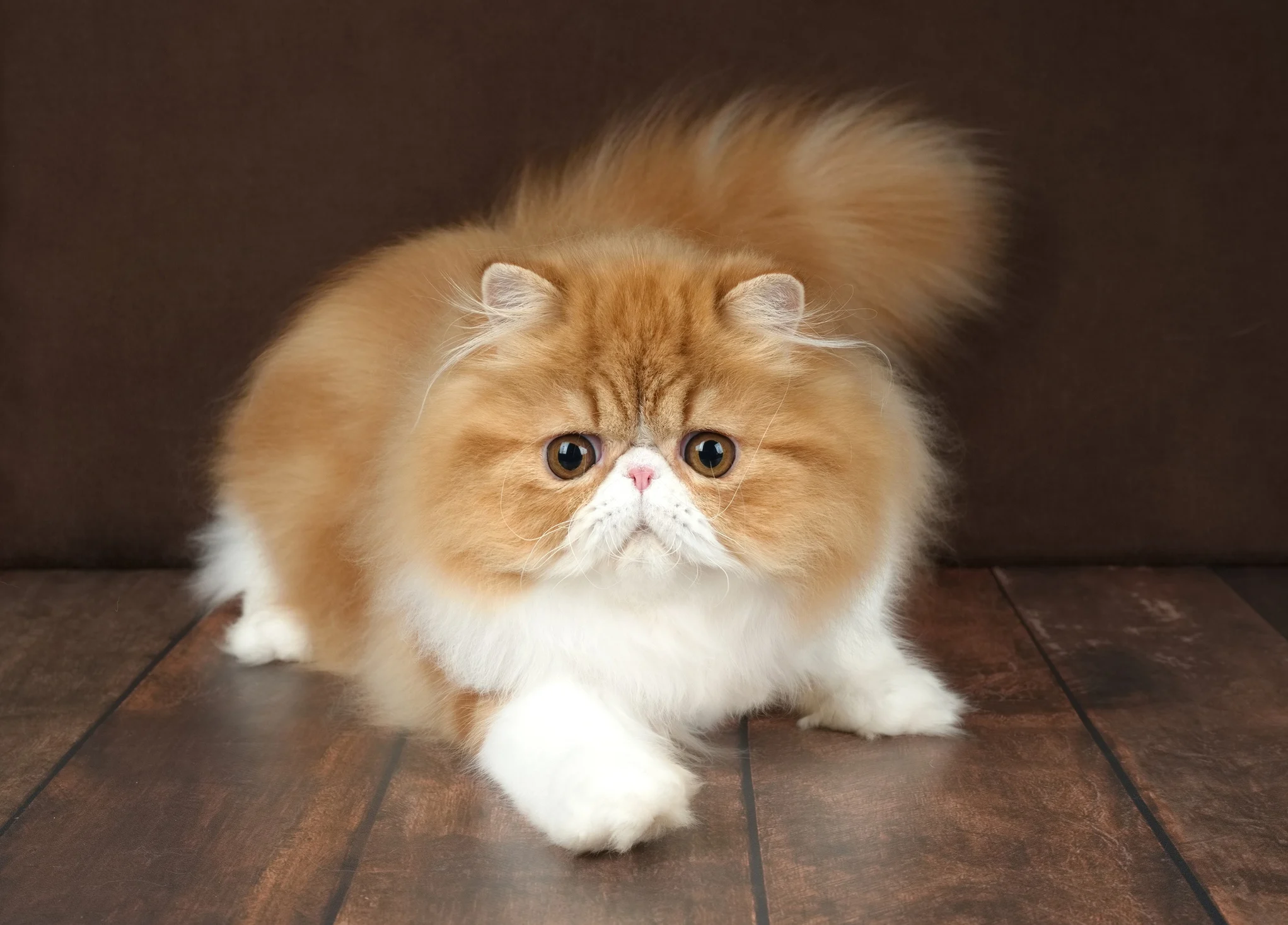
In the Literature
Oudart ET, Le Boedec K, Poncet C. Stenotic nares treatment in 37 brachycephalic cats by ala vestibuloplasty: 2017-2025. J Feline Med Surg. 2026;28(5):1098612X261440977. doi:10.1177/1098612X26144
The Research …
Brachycephalic obstructive airway syndrome (BOAS) is increasingly recognized in brachycephalic dog breeds but remains underreported, underdiagnosed, and less commonly treated in brachycephalic cat breeds.
This study described reported associated complications and outcomes of ala vestibuloplasty in cats. Stenotic nares are the primary feature of BOAS in cats, whereas, in dogs, multilevel abnormalities (eg, elongated soft palate, nasopharyngeal collapse, laryngeal saccule eversion, hypoplastic trachea) are more common. Ala vestibuloplasty involves resection of the axial alar wing and the alar fold to widen the external nares and the nasal vestibule, which lies deeper than the external nostril opening. In dogs, ala vestibuloplasty has been reported to provide a wider opening and better airflow through the rostral nasal cavity than other corrective techniques, although its clinical superiority has not been proven.1,2
In this study, brachycephalic cats (n = 37) underwent ala vestibuloplasty with vertical wedge resection of the alar wing and removal of the alar fold, followed by placement of simple interrupted sutures. The most common preoperative BOAS signs were ocular discharge, nasal whistling, and snoring. All cats showed improvement in respiratory signs postoperatively. No major complications occurred in cats undergoing their first nasal surgery. One cat that had undergone a previous alaplasty developed stenosis of 1 nare postoperatively, requiring revision and eventual stent placement.
Quality of life and alertness improved in 83.8% of cats postoperatively. Increased appetite was reported in 54.1% of cats. Overall, 89% and 83.7% of cats showed reductions in daily frequency of nasal whistling and snoring, respectively, according to pet owner questionnaires. Open-mouthed breathing improved in most cases, with a reported frequency of 54.5% preoperatively and 8% postoperatively.
Other techniques that can address stenotic nares in cats include vertical wedge resection, amputation of the alar wing (ie, Trader technique), ventral skin resection and single pedicle advancement flap, punch resection alaplasty, and combined “Alar Fold Lift-Up” and “Sulcus Pull-Down” techniques.3,4 This study did not compare ala vestibuloplasty to other alaplasty techniques; superiority of one procedure over another has not been proven.
… The Takeaways
Key pearls to put into practice:
Respiratory signs of BOAS in cats may be more mild or harder to recognize than in dogs.
Ala vestibuloplasty requires no specialized equipment, carries a low complication rate, and theoretically is not a complicated surgical procedure; however, handling of the delicate nasal tissues requires careful surgical manipulation, and the optimal corrective procedure is likely specific to an individual patient’s anatomy (eg, deviation of the alar fold, redundant ventral skin, or both).
Redundant tissue ventral to the nares is most common in Persian cats and a component of decreased nasal airflow not commonly recognized in dogs. In these cases, cats may benefit from resection of redundant skin and advancement of a nasal mucosal flap.
Although components of BOAS that are common in dogs are not typical in cats, airway examination is prudent at the time of anesthetic induction to evaluate for soft palate or laryngeal abnormalities.
You are reading 2-Minute Takeaways, a research summary resource presented by Clinician’s Brief. Clinician’s Brief does not conduct primary research.