Team Member Injuries & Safety in Veterinary Practice
Zenithson Ng, DVM, MS, DABVP (Canine & Feline), University of Tennessee
In the Literature
Tulloch JSP, Schofield I, Jackson R, Whiting M. ‘Just part of the job’ – understanding work-related injuries and safety culture in companion animal veterinary practices. J Small Anim Pract. 2026;67(3):212-226. doi:10.1111/jsap.70039
The Research …
The physically demanding nature of veterinary work, uniquely characterized by close interactions with live animals and sharp instruments, puts veterinary professionals at inherent risk for harm. Although injuries in the clinic are not uncommon, there is little information regarding how often injuries occur, the contexts in which they arise, and how they are reported.
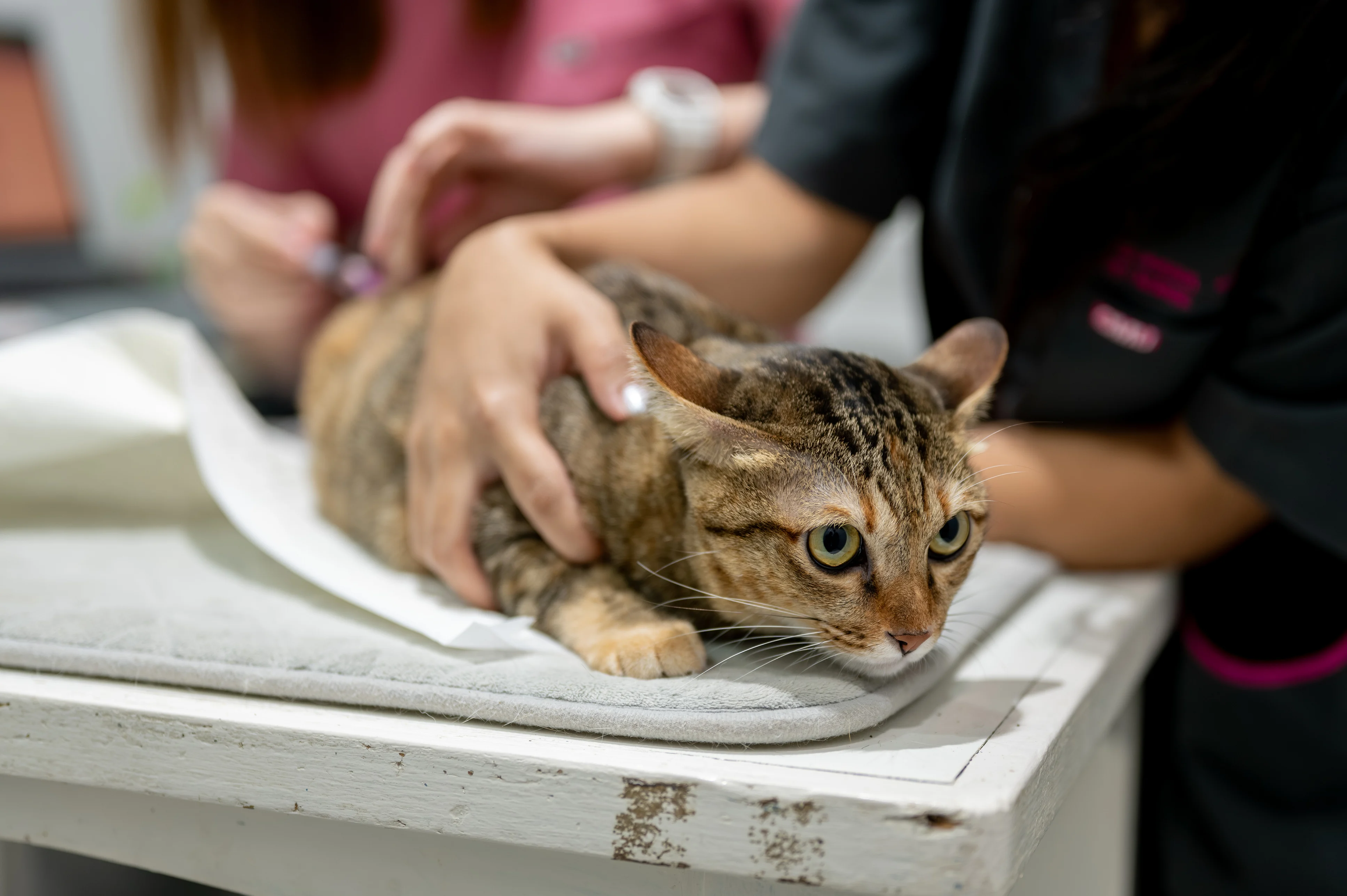
An online survey of veterinary professionals (n = 647) in the United Kingdom was used to determine the prevalence and types of work-related injuries that occur in companion animal practices. A total of 77.6% of respondents suffered a work-related injury at some point in their career. Injuries from patients were most commonly reported, particularly in high-contact situations (eg, feline restraint, anesthetic recovery, clinical examinations). In addition, needlestick injuries were most commonly associated with injecting or recapping needles and accounted for 15.8% of injuries to veterinarians.
Clinicians and veterinary technicians reported higher injury rates compared with assistants and administrative staff. Among administrative staff, the most common types of injuries were associated with being struck by equipment or furniture, slips or trips, and patient restraint.
This study also revealed pervasive underreporting of injuries, especially among clinicians. Most injuries were managed with self-administered first aid, and <10% of injured individuals took time off work. Less than half of injured respondents reported changing their behavior following an incident; many respondents indicated a different behavior would not have mitigated the injury.
Most team members did not report lasting emotional or mental health effects, reinforcing the perception that injury is simply “part of the job.” Psychological impacts were most commonly characterized as increased anxiety or fear in similar situations.
… The Takeaways
Key pearls to put into practice:
Fostering a nonjudgmental, psychologically safe environment allows team members to feel comfortable reporting injuries.Feelingsof fault or embarrassment are common, but injuries are an inherent occupational risk and should carry no stigma. Reporting, regardless of perceived severity, should be expected, supporting a positive safety culture in which incidents are reviewed and used to inform prevention strategies.1 Clear insurance coverage and reporting processes should be established from the onset of employment.
Team members often feel pressured to continue to work through a debilitating injury, but this may result in negative impacts to the individual and the team. Without adequate recovery, the risk for reinjury is high.2 Taking appropriate time off for rest and healing should be normalized and supported.
Patient-related injuries are more common among less experienced team members, including administrative staff.3 Providing appropriate training and ensuring tasks are matched to individual competency and familiarity with handling animals are essential.
Adherence to bite and zoonotic disease protocols is paramount. All bite injuries should be managed according to established guidelines for rabies risk assessment in collaboration with public health officials.4 Hospital policy should prioritize team member safety by establishing and enforcing clear protocols for pet owners noncompliant with rabies vaccination requirements.
You are reading 2-Minute Takeaways, a research summary resource presented by Clinician’s Brief. Clinician’s Brief does not conduct primary research.