Top 5 Considerations for Recommending At-Home Dental Care Products
Sponsored by Dechra
Periodontal disease affects the majority of dogs and cats, making it one of the most common chronic conditions seen in veterinary practice.1 Although professional dental care is essential, at-home care plays a critical role in a comprehensive approach to improving oral health.2 Pet owners rely heavily on veterinary teams to guide their decisions on dental product selection, but with so many products on the market, making confident recommendations can be challenging. This is where the Veterinary Oral Health Council (VOHC) seal of acceptance becomes a valuable tool, helping to identify products backed by scientific evidence.
If you missed Dechra Academy’s podcast, “Unleash the Power of VOHC in Your Veterinary Practice,” this article features 5 key takeaways to keep in mind when recommending products with the VOHC seal of acceptance.
1. The VOHC Seal of Acceptance Signifies Evidence-Based Efficacy.
Founded in 1997, the VOHC is a council of dental experts who provide guidance on veterinary dental product recommendations by recognizing products that meet preset standards of plaque and/or tartar control in dogs and cats.3 A product that meets these standards is awarded the VOHC seal of acceptance, which indicates to veterinary teams and clients that regular use of the product can help reduce the severity of periodontal disease in pets.4
2. Earning the VOHC Seal of Acceptance Requires Rigorous Research.
VOHC-accepted products are backed by well-designed clinical trials, with data reviewed by the VOHC for validity and significance. Companies are responsible for conducting and funding the research for their products. Two trials using completely different study animals must be completed to ensure repeatability of results.5 The VOHC provides inclusion and exclusion criteria as well as the types of groups (experimental vs control) needed in the trials, depending on how the product is intended to work (mechanically vs chemically) and how it is administered or applied.6
Products are evaluated for reduction of plaque, reduction of tartar, or both. If both are claimed, separate data sets and analysis summaries are required for each claim. Additional trials may be required for products within a product line if they are marketed for dogs of different body weight ranges (not applicable to cats), have differences in product shapes, and/or have differences in ingredients.7 The VOHC reviews the data from the trials, not the product itself.
In addition to the studies, the VOHC requires an affidavit explaining what the product is, how it works, what the ingredients are, and that the ingredients are recognized as safe. Companies must also submit a letter of review that reports adverse events and consumer complaints on an annual basis.5
3. Not All Dental Products Are Created Equal.
The VOHC seal serves to distinguish products that are supported by verified data from those that may have unproven claims. Products that do not carry the VOHC seal of acceptance may still be effective; however, the manufacturer has not completed the testing and review process required to substantiate and verify those claims through the VOHC. Recommending VOHC-accepted products can help ensure consistency and confidence in at-home dental care plans. The VOHC has a list of accepted products on their website (see Suggested Reading).
4. Clinical Judgement Is Key to Product Selection.
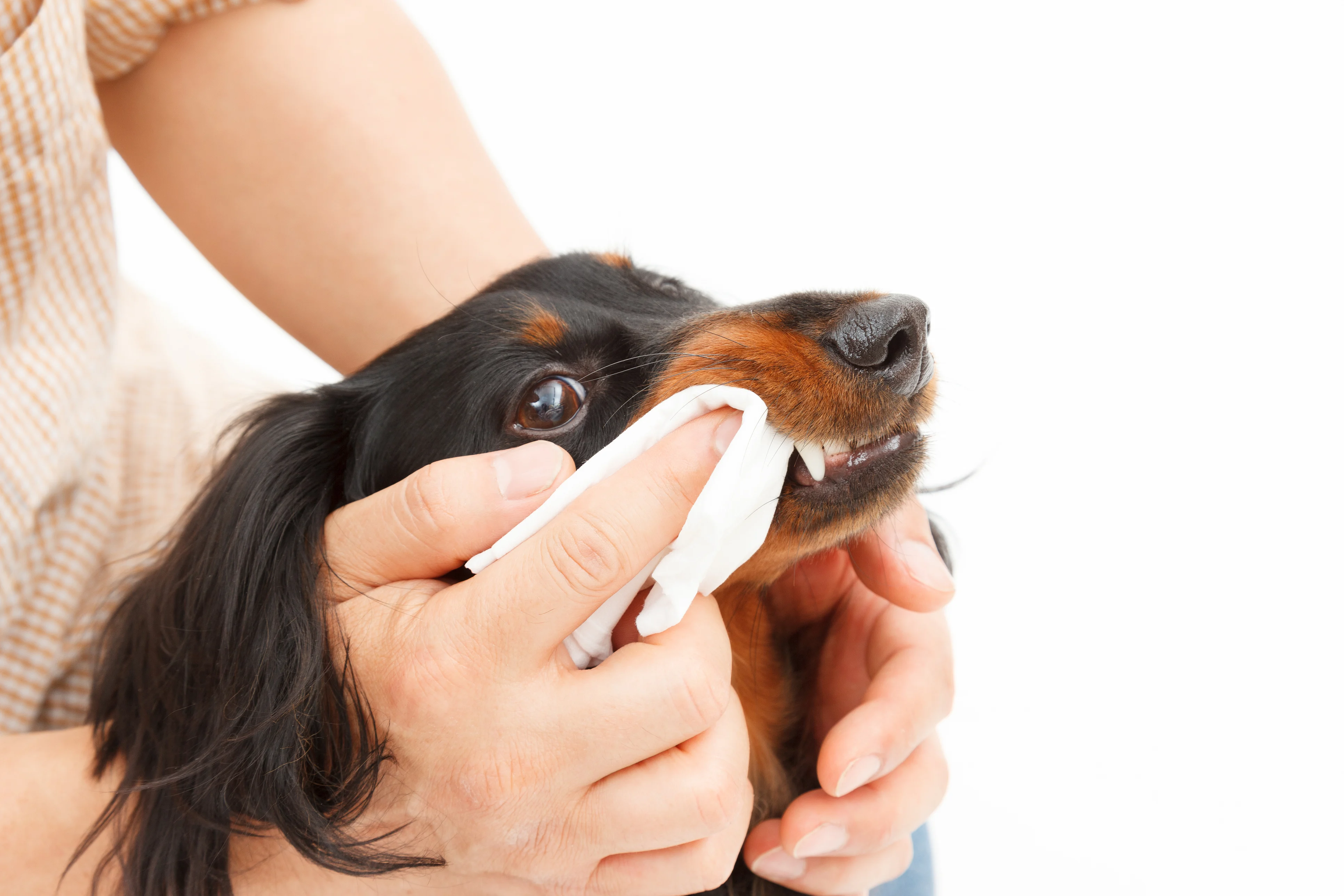
Making individual recommendations is the role of the veterinarian, not the VOHC, as the VOHC does not have a valid veterinarian–client–patient relationship on which to base such guidelines. To determine which products to recommend, veterinarians should consider whether the client and the patient have the capacity to administer or tolerate active products (eg, toothbrushes and toothpaste, wipes) or whether they will need to rely on passive products like diets or water additives. Products can have synergistic effects, and multiple products with the seal of acceptance can be used for an individual patient. One size does not fit all, and long-term success depends on what clients will willingly and regularly use.
5. At-Home Care Supports, Rather Than Replaces, Veterinary Dental Care.
VOHC-accepted products are valuable tools, but they are not substitutes for routine professional dental care. Although at-home dental care may help slow plaque or tartar buildup, it does not eliminate dental disease nor the need for dental prophylaxis. The best outcomes for patients come from combining in-clinic care with consistent at-home care.
Conclusion
The VOHC seal of acceptance can help simplify dental product recommendations by identifying options that have evidence-based results. When paired with clinical judgment and routine professional care, VOHC-accepted products can be incorporated into a comprehensive oral health strategy that can benefit patients, strengthen client trust, and support long-term practice success.