Respiratory Disease: A Brief Review of Medication Therapies
Jim Budde, PharmD, RPh, DICVP, FACVP, Chief Pharmacy Officer, Instinct Science
Background
Respiratory disease in dogs and cats spans a broad range of pathologies (eg, inflammatory, infectious, structural, cardiovascular). Definitive treatment should be directed toward identifying and managing causative factors. This review highlights several drugs and drug classes that may be useful adjunctive treatments for respiratory diseases.
Glucocorticoids
Glucocorticoids (eg, prednisolone) are used for initial treatment in many respiratory diseases and may be a first-choice therapy when airway inflammation is present. Although oral administration is common, inhaled glucocorticoids (eg, fluticasone) are preferred for chronic conditions (eg, feline asthma), as this administration route produces higher local drug concentrations and reduces systemic adverse effects.
Bronchodilators
Bronchodilators are important medications for patients in respiratory crises (eg, feline status asthmaticus). Inhaled or injectable beta-2 agonists (eg, albuterol, terbutaline) have a more rapid onset than oral formulations. Theophylline is preferred when long-term treatment with an oral bronchodilator is indicated. Adverse effects of theophylline include CNS excitation (eg, agitation, increased activity, tremors), tachycardia, and GI distress (eg, nausea, vomiting, diarrhea).
Antitussives
In dogs, antitussives (eg, butorphanol, hydrocodone) are used to control cough for noninflammatory and/or transient diseases (eg, tracheal collapse, canine infectious respiratory disease complex in the absence of pneumonia).
Sedatives
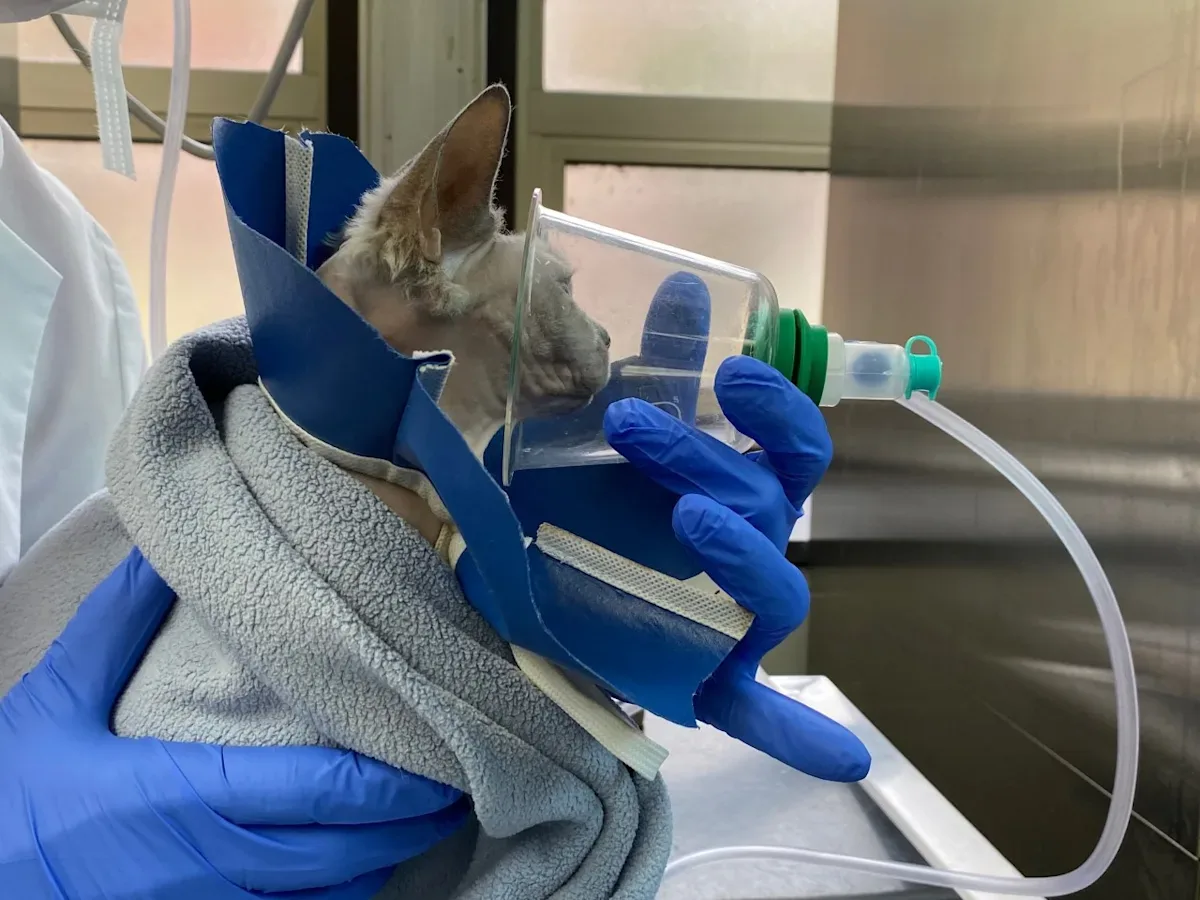
In dyspneic patients, sedation may be necessary to allow for oxygen supplementation. Intramuscular sedation with an injectable agent (eg, butorphanol, midazolam, acepromazine, dexmedetomidine) and allowing the patient to rest in an oxygen-enriched environment is common.
Antimicrobials
Although many respiratory infections resolve spontaneously, antibiotics should be considered in patients with fever, lethargy, tachypnea, or anorexia. Treatment should be guided by culture and susceptibility results when possible. Doxycycline is considered a first-choice antibacterial drug.1 Famciclovir may be considered for cats with respiratory signs caused by feline herpesvirus type 1.2,3 Antiparasitic agents (eg, fenbendazole, emodepside, topical moxidectin) are indicated for lungworm infections.
Conclusion
Management of respiratory disease is continually evolving. Understanding how therapies differ in mechanism, onset, and safety is essential for tailoring treatment to each patient. Detailed information on agent selection and use is available through Plumbs.com.