Proper Pharmaceutical Disposal Methods for Veterinary Drugs
William Sander, DVM, MPH, DACVPM, FNAP, University of Illinois Urbana-Champaign
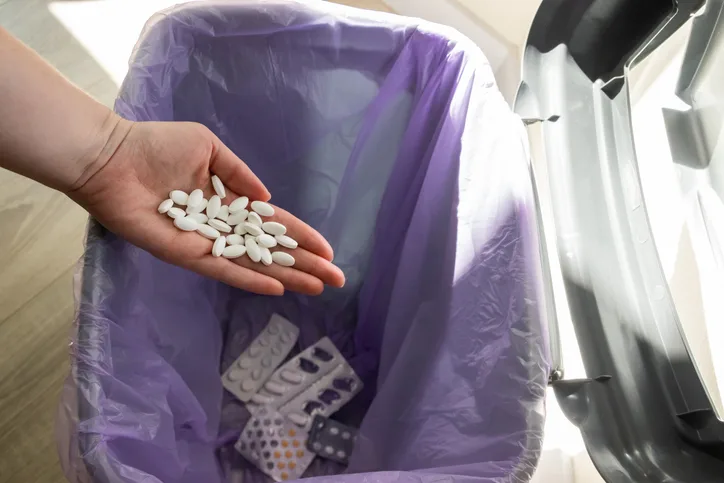
In the United States, over $100 billion worth of human prescription drugs are disposed of each year. The contributions of drugs from human and animal sources to the environment are significant and pose risks to various species.1-4 Veterinary drugs pose the same risks and environmental concerns as human medications, whether they are prescribed for domestic animals or livestock herds. Although attention is often paid to selection, prescription, and administration of medications, disposal is often not a focus. In food-producing animals, domestic sales of medically important antimicrobials have passed >15 million lbs (ie, 7 million kg), and data are not well understood for companion animals. Beyond the risk for antimicrobial resistance, consideration must be given to where these antimicrobials, and all other pharmaceuticals, go after leaving the patient or after disposal. Understanding the rules and regulations for veterinary drugs can increase safety in the clinic. In addition, clinicians are key to keeping unused and unwanted medicine out of the environment given their role in introducing new pharmaceuticals to the environment through prescriptions and drug disposal.
Take the Quiz
Conclusion
Medication disposal in veterinary settings can be difficult, and there is confusion about what is appropriate and legally permissible. It is important to follow all applicable federal, state, and local regulations: never pour or flush medications not on the FDA Flush List down drains or toilets; segregate waste and use appropriate waste brokers, including reverse distributors, whenever possible; train team members on proper disposal of pharmaceutical waste; and provide client education on proper disposal. For additional resources, see Suggested Reading.