Petal's Case: Diagnosis & Management of Periodontal Disease in Young Dogs
Sponsored by Dechra
Periodontal disease is one of the most common diseases in dogs, affecting ≈80% of dogs >3 years of age.1 Pain and inflammation caused by periodontal disease can affect comfort, behavior, and interactions with owners.2,3 At-home oral hygiene treatments are essential for prevention, but owners often struggle to adhere to recommendations for at-home care.1,4,5
This hypothetical case highlights common dental care challenges in young populations and strategies to overcome them.
The Case: Petal’s “Doggy Breath”
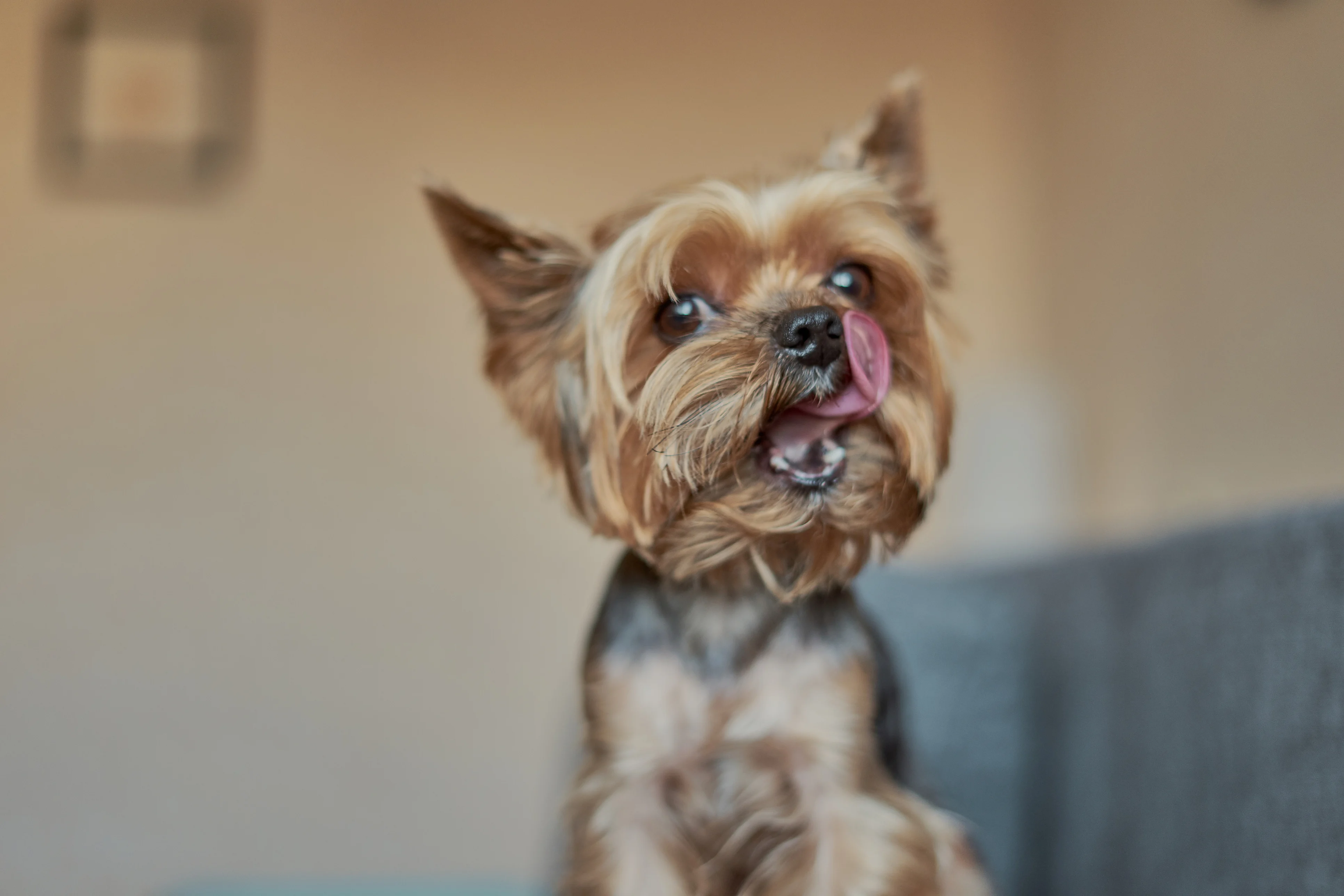
Petal, a 1-year-old spayed female Yorkshire terrier, was presented for her annual examination. Her owner had no concerns but mentioned Petal had bad breath. Oral examination revealed marked gingivitis, halitosis, and mild calculus on several teeth.
The owner was educated on the progressive nature of these findings and their potential impact on Petal’s comfort and quality of life. She was surprised and expressed concern about these oral abnormalities, as Petal was so young and had not shown any signs of discomfort.
Petal returned a few weeks later for a comprehensive oral health assessment and treatment. Routine full-mouth dental radiography revealed early alveolar bone loss around several upper premolars, consistent with stage 2 periodontal disease. No extractions were needed at that time. At discharge, Petal’s owner was educated on proper technique for daily toothbrushing at home.
Six months later, during a routine examination, Petal was noted to have had a return of mild dental calculus, along with gingivitis and halitosis. Her owner admitted to brushing Petal’s teeth approximately once a week because of both the owner’s limited time and Petal’s resistance. VETRADENT® Dental Wipes were suggested as an alternative, and the owner was educated on how to properly use the wipes, including positive reinforcement and handling desensitization. After discussion regarding other ways to support Petal’s oral health, VETRADENT® Water Additive was added to the home care plan as well.
Eight weeks later, Petal’s owner reported that she was using the VETRADENT® Dental Wipes on Petal’s teeth nearly every day and that she consistently used VETRADENT® Water Additive daily. Petal’s care team recommended continuing this routine at home and repeating a comprehensive oral health assessment and treatment every 12 months.
Discussion
Although periodontal disease becomes more common with age, it can also affect young dogs.1,3 Small-breed dogs are more prone to periodontal disease, with some studies showing periodontitis in 98% of Yorkshire terriers as early as 10 months of age.2,3,6 AAHA dental consensus recommendations state that first dental prophylaxis should be performed at 1 year of age in small- and medium-breed dogs and 2 years of age in larger-breed dogs.2 This early intervention may help prevent irreversible periodontitis and future oral pain and tooth loss; it may also help owners avoid unnecessary costs and emotional distress. As such, halitosis should not be dismissed as a normal finding and should instead prompt further discussions about the pet’s oral health.
At-home dental care is essential to periodontal disease prevention, and daily toothbrushing is widely recognized as the most effective way to mechanically remove plaque at home before it can mineralize to calculus, but owners often struggle to follow through.1,4,5 Studies have shown that even when owners believe in the importance of toothbrushing, they still have difficulty adhering to a daily toothbrushing schedule.1,5
Providing simple, effective home oral hygiene alternatives can help ensure oral health is maintained when toothbrushing goals are not consistently met. VETRADENT® Water Additive is ideal for such cases, as it can simply be added to drinking water every time it is refreshed. VETRADENT® Water Additive has been scientifically proven to reduce tartar by 25.4%, earning it the Veterinary Oral Health Council (VOHC) seal of acceptance.7 The patented Biotrate® technology breaks down biofilms, where bacteria live, by chelating minerals (eg, calcium) in the saliva.7 VETRADENT® Water Additive is xylitol-, alcohol-, and chlorhexidine-free, with a study having demonstrated its safety at up to 5× the recommended dose.7
Another helpful home oral hygiene option is VETRADENT® Dental Wipes. VETRADENT® Dental Wipes are large, making it easy to remove plaque and tartar, and have been scientifically shown to reduce tartar by 58.9%, earning them the VOHC seal of acceptance.7 VETRADENT® Dental Wipes are also xylitol-, alcohol-, and chlorhexidine-free.7 During the study, no adverse effects were observed.
Other products such as prescription dental diets and dental chews should also be considered as part of a comprehensive oral hygiene approach.2,4
Effective education is essential to achieving compliance with any recommended at-home oral care options.2 Consistent messaging about the importance of oral hygiene should start at a young age, beginning at puppy appointments.2,4 Proper terminology (eg, dental prevention, assessment, and treatment vs dental cleaning; gingivitis or periodontitis vs dirty teeth) and consistent messaging can help drive home the importance of oral health.2 The veterinary team should educate owners on how to introduce brushing effectively to improve success.4 Ongoing conversations with clients can help ensure long-term compliance and improved patient care.2,4
Conclusion
Client communication and education are essential to achieving owner compliance with oral hygiene efforts and should start at puppyhood and continue consistently through every life stage.2,4 Gold-standard toothbrushing can be paired with easy, data-supported, VOHC-accepted, at-home products such as VETRADENT® Water Additive and VETRADENT® Dental Wipes for improved at-home care.a
a VETRADENT® Dental Wipes, Powder Water Additive & Liquid Water Additive have been awarded the VOHC Seal of Acceptance. VOHC Acceptance claim achieved in dogs only. Claim achieved for Powder Water Additive and Liquid Water Additive with monthly brushing in accordance with trial design.
VETRADENT and Biotrate are registered trademarks of Dechra Veterinary Products, LLC. All other trademarks are trademarks of their respective owners.
Dechra is a registered trademark of Dechra Pharmaceuticals Limited.