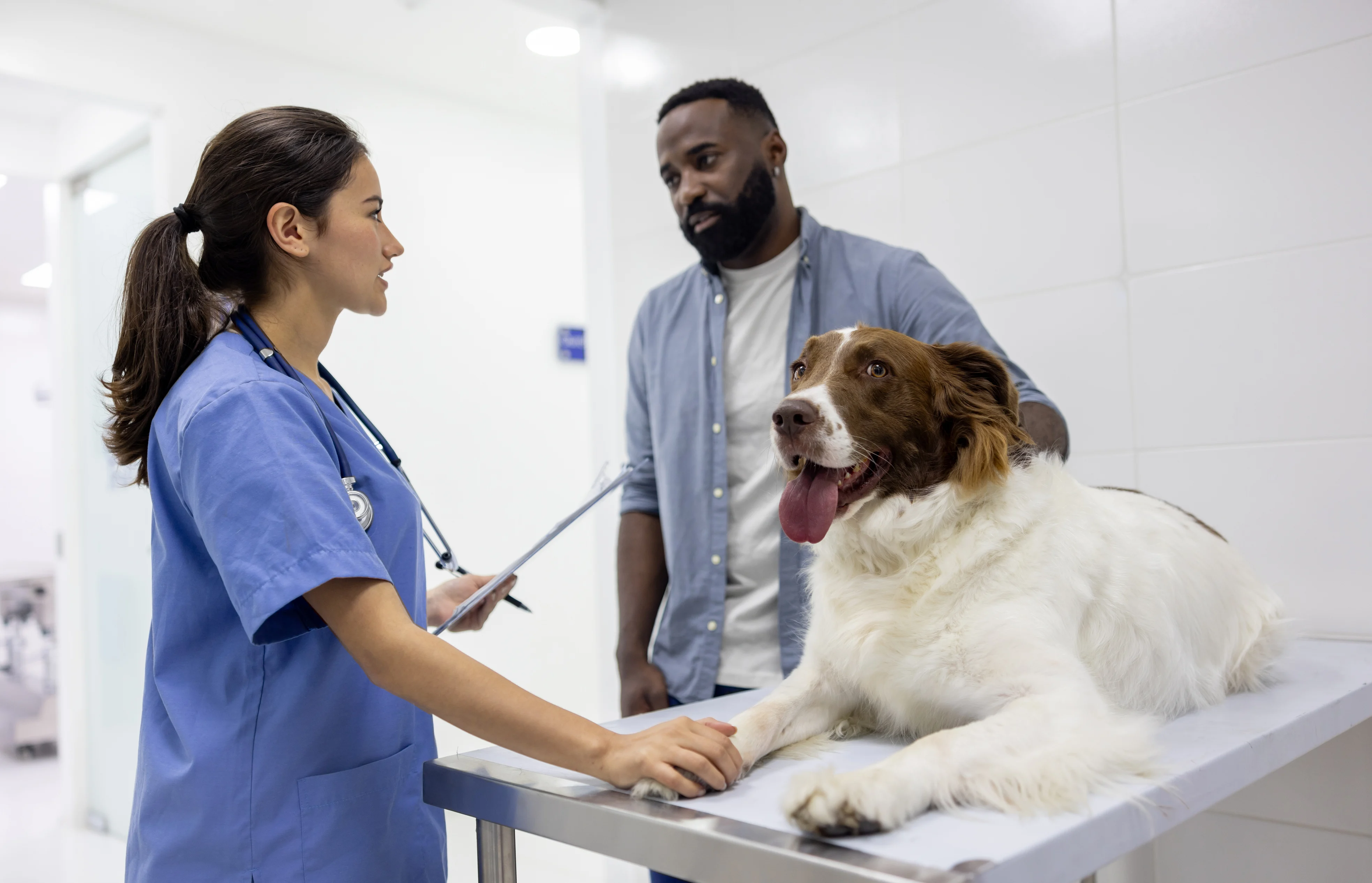
Part II: It’s Okay to Say “I Don’t Know”
Last month, I described a valuable lesson: Sometimes you have to be decisive without knowing all the answers (because the patient, the client, or your staff require it), but you also must get comfortable saying, “I don’t know.”
Read Now: Launchpad: You Are Not Supposed to Have All the Answers (Part 1)
I outlined how I learned to muster decisiveness, but I did not touch on the numerous appointments in which common things were certainly not common to me, a newbie vet!
Client: “Why does my dog vomit bile almost every morning?”
Me (internally): “No clue!”
Now I know it is bilious vomiting, duh! The answer is literally in the patient history, but I was too dazed that day to see it.
We are not supposed to know it all, and we need to be comfortable saying, “I don’t know.” We still need to project competence and, crucially, understand the difference between competence and confidence. Honesty is always the best policy, but the client may start to doubt my competence if I respond with “I don’t know” to every question.
It is also important not to be overconfident when you are unsure. Specifically, when there is potential to do harm to the patient or even to your own growth as a clinician (because we need to acknowledge we cannot know everything and need to commit to lifelong learning in our profession).
The solution? Walk that fine line. You have knowledge (eg, you can confidently say, “Well, possible causes of chronic vomiting might include food sensitivity/inflammatory bowel disease, gastritis, etc.”) but no real clinical gut yet (“I’m not sure why this occurring, but I’m going to look into it.”). Saying you will look into it gives you time to assess lab results, ask mentors, consult textbooks (or amazing online resources like Standards of Care). This may be mildly annoying and can increase your workload, but it also builds trusting relationships and promotes your growth as a clinician ... trust me on this one.
With more clinical experience, I no longer waffle over the order in which I want to perform procedures or which diagnostics are indicated, but I still say “I don’t know” quite a lot!
Despite all the tests, diagnoses can still elude us, and some cases are tricky. Sometimes we cannot perform diagnostics but still have to make choices for the patient. The client is depending on me to be decisive. So, just like I did in the beginning, I lean on my knowledge base and confidently communicate to the client. Most clients appreciate the honesty, and I have found that including clients in the discussion can result in increased compliance with the treatment plan, even if changes are required.
For example, “Possible causes of your pet’s signs are A, B, and C. Although we do not have a definitive diagnosis, I think B is most likely. I am proposing we try X treatment, but I may be wrong, and if we do not see improvement, we can consider Y or Z.”
During vet-to-vet consultations, I regularly hear vets say, “I’m so relieved to hear you say you have no idea what is going on with this patient either! I thought I was missing something.” Internists occasionally have tricks for interpreting lab results or medical histories, but some cases are elusive. It may be a matter of needing more information or more diagnostics, but, even with all that information, the answer may not be clear, and we have to make an educated (gut) decision. I don’t have all the answers. Give yourself a break and realize that you don’t have to either.
Find us anytime at cliniciansbrief.com/launchpad-students-early-career or launchpad@vetmedux.com.
Want to launch your career to new heights 🚀? Sign up for Launchpad today.