Keratoconjunctivitis Sicca in Dogs Treated With Trimethoprim Sulfonamide
Caryn E. Plummer, DVM, DACVO, University of Florida
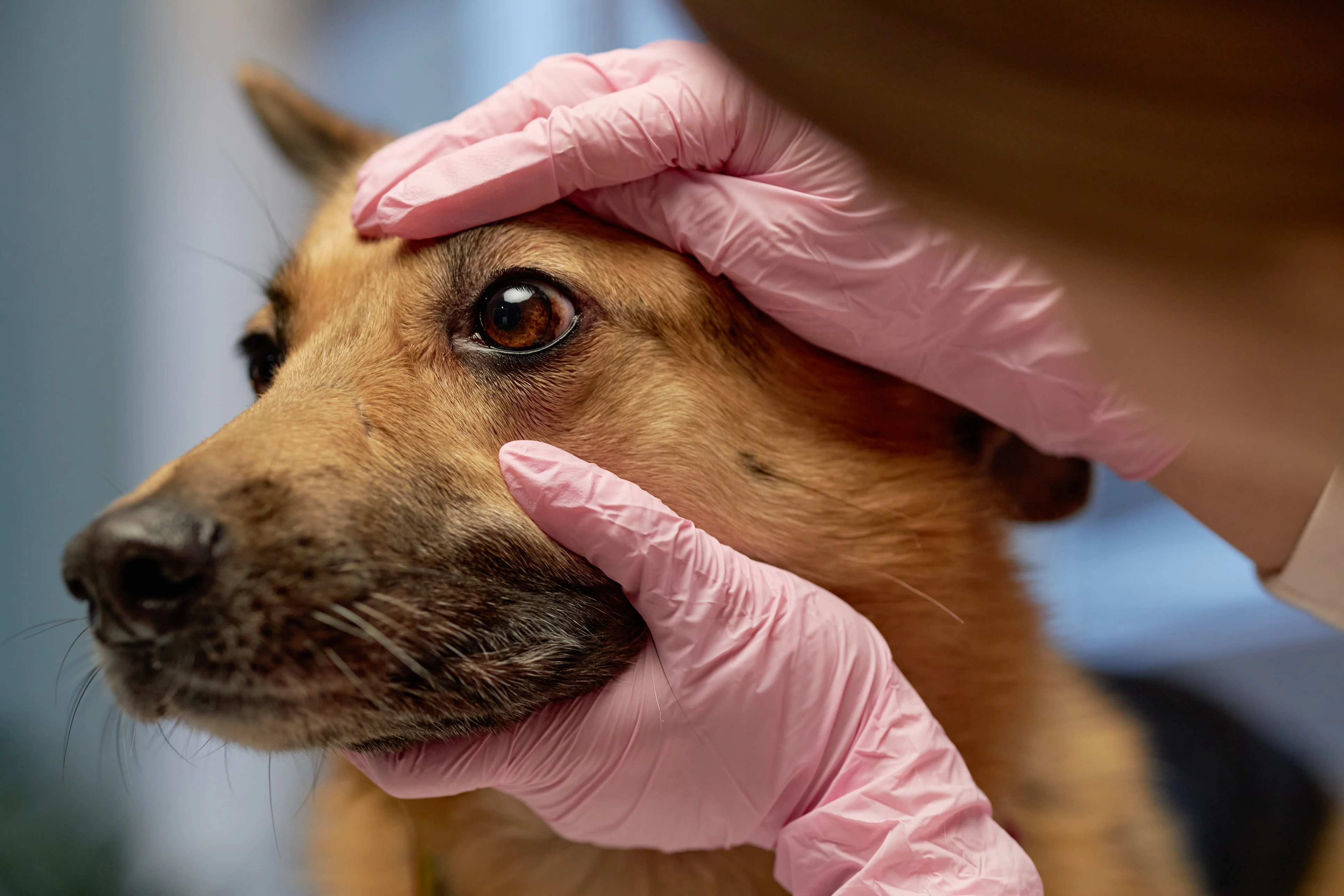
In the Literature
Hardefeldt LY, Scarborough R, Hur B. Retrospective cohort study on the development of keratoconjunctivitis sicca in dogs treated with trimethoprim sulfonamide: a VetCompass Australia study. J Vet Intern Med. 2026;40(1):aalaf013. doi:10.1093/jvimsj/aalaf013
The Research …
In this study, natural language processing (a branch of artificial intelligence) was used to evaluate medical records of dogs that received trimethoprim sulfonamide (TMS) over a 10-year period from an Australian database that included information from 180 different clinics. Medical records included signalment, drug dose, and duration of treatment. Records were screened further for notations indicating definitive or possible keratoconjunctivitis sicca (KCS) based on Schirmer tear test (STT) values and/or clinical signs consistent with KCS (eg, mucopurulent ocular discharge, conjunctival hyperemia, blepharospasm, corneal opacification, corneal vascularization, fibrosis, pigmentation).
Analysis included 2,141 dogs, 0.19% of which were identified as having definitive KCS, and 1.8% were identified as having either possible or definitive KCS. This finding contrasts with previous reports that suggest KCS is a common adverse effect of potentiated sulfonamides, with an estimated incidence of 15.2% in treated dogs.1
Of the individual factors considered in this study, dosage and duration of treatment did not appear to be related to development of KCS, supporting idiosyncratic toxicity as a major factor in the pathogenesis of TMS-associated KCS.2 In addition, sex and neuter status had no associations with development of KCS after treatment with TMS.
Breed-dependent variation was noted, with boxers, Rottweilers, West Highland white terriers, Maltese, kelpies, poodles, border collies, and Staffordshire bull terriers being overrepresented. Some of these breeds have a demonstrated predisposition to KCS,3 while others (ie, kelpies, Maltese, border collies) have not been recognized previously as having a breed predisposition. Older dogs in this study had a higher risk for developing KCS over time following TMS therapy, with a 7.6% increase in the hazard ratio for each additional year of age.
… The Takeaways
Key pearls to put into practice:
The overall incidence of KCS following systemic administration of TMS to dogs in this study was lower than previous reports but was not nonexistent. Dry eye is a possible idiosyncratic and unpredictable reaction.
STT values should be evaluated prior to induction of TMS and after 1 to 2 weeks. Pet owners should be educated about the clinical signs suggestive of KCS and when to seek veterinary attention. If clinical signs develop during systemic TMS treatment, a thorough ophthalmologic examination with STT and fluorescein staining should be performed. If low STT is identified, TMS should be discontinued. Early recognition of clinical signs and discontinuation of the drug may prevent permanent KCS.
Additional caution or awareness is warranted in older dogs and breeds with an established predisposition to KCS.
You are reading 2-Minute Takeaways, a research summary resource presented by Clinician’s Brief. Clinician’s Brief does not conduct primary research.