Top 5 Biomarkers of Canine & Feline Inflammation
Joyce S. Knoll, VMD, PhD, DACVP (Clinical Pathology), Cummings School of Veterinary Medicine at Tufts University
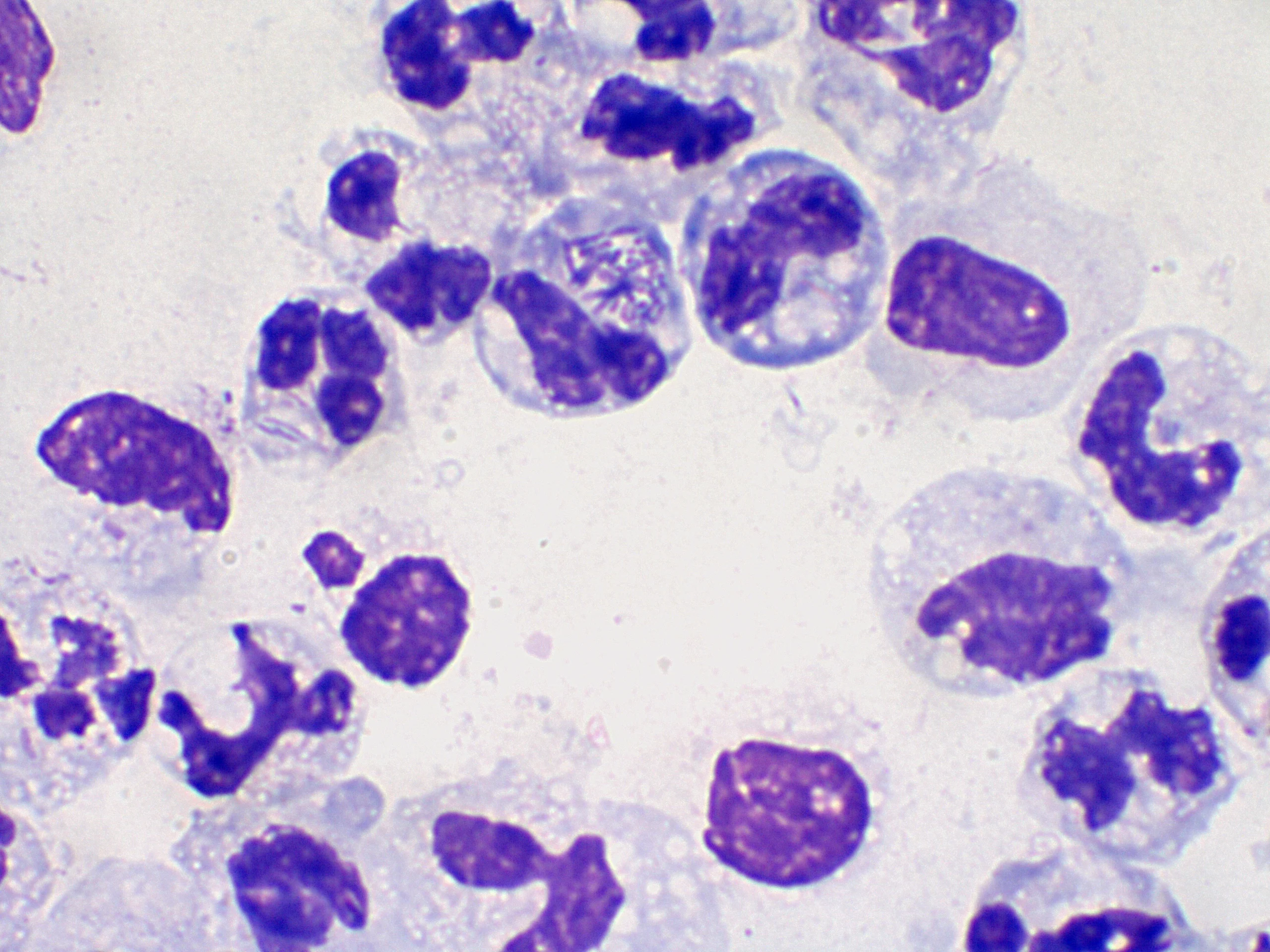
A biomarker is a substance that can be measured and used to indicate normal and pathogenic processes, assess organ injury or failure, and predict response to therapy.1 Multiple biomarkers are used in veterinary medicine as indicators of normal biological processes and can help diagnose and monitor various conditions, including inflammation, heart disease (eg, N-terminal pro-brain natriuretic peptide [NT-proBNP]), kidney disease (eg, symmetric dimethylarginine [SDMA], urine cystatin B), intestinal disease (eg, cobalamin, folate), and cancer (eg, BRAF or cKIT mutation tests).
Acute-Phase Proteins
This article focuses on acute-phase proteins (APPs), which are important biomarkers of acute inflammation in dogs and cats. The acute-phase response includes changes in >200 proteins, including APPs, as part of an innate immune response to tissue injury, trauma, infection, or other causes of inflammation.2 APPs can be classified as positive or negative depending on whether their levels rise or fall in response to inflammation. Positive APPs can be further classified as major, moderate, or minor, depending on the magnitude of increase.
Major APPs can increase from 10- to 1,000-fold, peaking after 24 to 48 hours. Moderate APPs can increase 5- to 10-fold, peaking ≈48 to 72 hours after onset of inflammation.3,4 Minor APPs show only a slight increase in the presence of inflammation. Major, and sometimes moderate, APPs are often more sensitive than leukocytes for detection of inflammation. Species-specific assays should ideally be used, as there are species variations in classifications of APPs and variable cross-reactivity with assay antibodies.
Following are the top 5 APP biomarkers in dogs and cats according to the author.
1. C-Reactive Protein
C-reactive protein (CRP) is a major APP in dogs and likely the most-studied APP in veterinary medicine. CRP assays show variability, but CRP values in healthy dogs are usually <5 to 10 mg/L. Breed variations (eg, higher values [<18.2 mg/L] in healthy miniature schnauzers) have been reported.5 Higher values have also been observed in pregnant dogs (peak value, ≈70-90 mg/L).6,7
Inflammation can be secondary to a variety of conditions (eg, inflammatory, neoplasia, immune-mediated), and a 50- to 100-fold increase above baseline can be observed 4 to 24 hours after onset of inflammation in dogs.4 Increased CRP levels in patients with neoplasia likely reflect a secondary immune-mediated inflammatory reaction rather than direct effects of the neoplasm. Unlike leukocytes, CRP levels do not increase under stress or in the presence of elevated cortisol or epinephrine levels.
Care should be taken when interpreting a single CRP measurement, as CRP measurements cannot differentiate infectious from noninfectious causes of inflammation or distinguish among different types of inflammatory disease. In a study, bacterial infection was present in ≈22% of patients with markedly elevated CRP (>100 mg/L), but noninfectious diseases (eg, immune-mediated polyarthritis, steroid-responsive meningitis-arteritis, immune-mediated anemia, thrombocytopenia) were present in 27% of patients; CRP levels could not be used to distinguish among these conditions.8 Spurious elevations can be seen as a result of physiologic factors, as described above, and can occur secondary to analytic errors or interferences (eg, lipemia).
Although CRP cannot be used to diagnose specific etiologies, sensitivity for identification of subclinical or early inflammatory disease processes is highly useful. In general, sequential serum CRP measurement for therapeutic monitoring appears to be more useful than a single measurement in helping identify dogs that fail to respond to therapy or have a comorbidity.
A small study of dogs (n = 17) with bacterial pneumonia found a significant decrease in serum CRP levels 48 to 72 hours after initiation of successful antibiotic treatment. Eight dogs, in which normalization of CRP was used to guide duration of treatment, had decreased treatment duration (and no relapses) compared with 9 dogs with a conventional treatment duration.9 Sequential measurements may be useful in guiding decisions about corticosteroid therapy in dogs with immune-mediated diseases.10-12
In a study of dogs with multicentric lymphoma, CRP levels declined to normal levels following chemotherapy in patients with complete remission.13 CRP can also help monitor recovery following GI surgery. A study of 27 dogs that underwent enterotomy, gastrotomy, or resection and anastomosis showed that serum CRP levels spiked and peaked ≈24 hours after surgery, but most dogs with no postoperative complications returned to preoperative (but still elevated) levels.14 Serum CRP levels are typically expected to return to normal 1 to 2 weeks after surgery. This study was small, but the findings suggest sustained or increasing CRP levels after the initial 24-hour peak may indicate postoperative complications.14
Several reference diagnostic laboratories offer canine CRP measurements, but the utility of the tests is often limited due to a 3- to 5-day turnaround for results. Several point-of-care tests for canine CRP are available for rapid assessment of inflammatory disease processes.15 These assays vary in precision and accuracy, and their results may vary significantly when compared with assays used by reference laboratories. Use of reference intervals provided for the specific point-of care assay is important. When monitoring trends in the CRP concentration, the same assay should be used for all time points.
In cats, CRP is classified as a minor APP that does not elicit a significant acute-phase response. Unlike serum amyloid A (SAA) and alpha-1-acid glycoprotein (AGP), CRP is not a useful biomarker in cats.16
2. Serum Amyloid A
SAA is the most sensitive major APP in cats, with clinical applications similar to those of CRP for diagnosis of inflammatory disease in dogs. In healthy cats, SAA levels are almost zero, but >50-fold increases have been observed in a variety of inflammatory diseases, with the most dramatic increases in patients with FIP, upper respiratory infection, pneumonia, pyometra, or traumatic disease.17-20 Mild SAA elevations are occasionally seen in cats with neoplasia, renal failure, or endocrine diseases (eg, diabetes mellitus, hyperthyroidism).16
Measurement of SAA levels cannot differentiate infectious from noninfectious causes of inflammation, but sequential measurements may help confirm response to therapy. SAA levels tend to decline as early as 24 to 48 hours after resolution of inflammation.17,20,21 Persistent elevations after surgery may signal a postoperative complication. One study of cats with lymphoma found that treatment caused a gradual decrease in SAA levels in patients with remission, and normal SAA levels were observed after 12 weeks of therapy.22
Feline-specific SAA assays are available; available equine SAA assays do not appear to be useful in cats. Some commercial laboratories offer feline SAA testing, but results are usually significantly delayed, limiting usefulness. At least one manufacturer provides a point-of-care assay for feline SAA measurement, but independent analytic validation has not been published.16
3. Alpha-1-Acid Glycoprotein
AGP is an important moderate APP in cats, and its value often increases in parallel with SAA, although generally at lower levels. AGP levels also decline after resolution of inflammation or neoplasia, but AGP levels tend to persist longer than SAA levels.21-23 A pilot study with small sample numbers suggested that fecal AGP levels may help distinguish small cell GI lymphoma from inflammatory bowel disease in cats; further validation is required.24
Marked elevations in AGP (>4,099 micrograms/mL) may possess a specificity approaching 100% for diagnosis of FIP.25 In cats with FIP, serum AGP concentrations (but not haptoglobin concentrations) are higher than in cats without FIP that have similar clinical signs (eg, peritoneal effusion) and in cats with other diseases that cause systemic acute inflammation.16,26,27 Measurement of AGP levels in body cavity effusions may help differentiate FIP from other diseases with better performance than SAA or haptoglobin26; however, AGP levels need to be interpreted in conjunction with other findings, and PCR is a more specific method for diagnosis of FIP.27,28 Biopsy and immunohistochemistry for feline coronavirus–infected macrophages within a pyogranulomatous inflammatory lesion or within effusion sediment continues to be best practice for documenting FIP.29
Preliminary results suggest that serum AGP levels may be most useful for monitoring FIP treatment. A significant decrease has been observed within the first 7 days of treatment with GS-441524, with levels returning to normal after ≈14 days.30
Feline AGP assays are not readily available through commercial laboratories, although a validated point-of-care test is available.30
4. Pancreatitis-Associated Protein 1
Pancreatitis-associated protein 1 (PAP1; ie, regenerating islet-derived protein 3 alpha [REG3A]) is a proposed biomarker for canine pancreatic tissue and plasma. Significantly higher PAP1 concentrations have been found in dogs with sepsis and acute pancreatitis compared with healthy dogs, although measurement of this molecule could not discriminate between sepsis and nonseptic systemic inflammatory response syndrome.31 PAP1 concentrations differed significantly between survivors and nonsurvivors across all affected dogs and within the sepsis group but not between survivors and nonsurvivors with acute pancreatitis.31 Increases in PAP1 levels likely reflect the severity of inflammation rather than the specific underlying condition.
Fecal levels of PAP1 have been investigated in dogs and cats with chronic inflammatory enteropathies.24,31 Higher fecal concentrations of PAP1 have been observed in patients with intestinal disease compared with healthy controls; however, significant overlap occurred among cats and dogs with different types of intestinal diseases (eg, food-responsive enteropathy vs inflammatory bowel disease),24,31 and there was some overlap with healthy patients, limiting the clinical utility of this test for diagnosing enteropathies.
PAP1 assays are not readily available through commercial laboratories, but a commercially available point-of-care assay has been validated for canine PAP1 and has been shown to cross-react with feline PAP1.32
5. Alpha 1-Proteinase Inhibitor
Alpha 1-proteinase inhibitor (alpha 1-PI) is a major inhibitor of serine proteases and has a molecular weight similar to albumin. Both alpha 1-PI and albumin can be lost at approximately the same rate in diseases that cause intestinal protein loss; however, because alpha 1-PI is resistant to proteolysis, its levels can be quantified in fecal samples.
Measurement of fecal canine alpha 1-PI appears to be particularly useful for early detection of GI protein loss, as increases are observed before the onset of clinical signs, before hypoalbuminemia or panhypoproteinemia are observed, or before both.33-35 Alpha 1-PI can also be useful in differentiating GI protein loss from hepatic causes of hypoalbuminemia. Higher values are present in dogs with significant histopathologic lesions (eg, lacteal dilatation, crypt abscesses).36
Collection of feces on 3 consecutive days is recommended because of relatively large daily fluctuations in fecal alpha 1-PI.34 Serum canine alpha 1-PI concentrations are increased during corticosteroid administration.
An assay for alpha 1-PI is offered by a commercial laboratory, but no point-of-care assays are available.
Conclusion
APPs have a well-documented sensitivity for identification of inflammatory disease in dogs and cats. Biomarkers can help gauge severity of inflammation and response to therapy, and, in certain cases, can aid in determining prognosis. The advent of species-specific assays, including some rapid point-of-care assays, facilitates measurement of APP in any clinical setting.