Fructosamine Measurements in Hypothyroid Diabetic Dogs
Francesca Del Baldo, DVM, MRCVS, PhD, DECVIM-CA (Internal Medicine), University of Bologna, Bologna, Italy

Pepi, a 9-year-old, 6.8-lb (3.1-kg), intact male toy poodle, was presented with a 1-month history of lethargy and weight gain. Diabetes mellitus (DM) had been diagnosed 10 months prior and treated with U-300 insulin glargine once every 24 hours. Clinical signs (ie, polyuria, polydipsia) were improved but had not completely resolved. Glucose control assessed via a continuous glucose monitoring system (CGMS) was suboptimal, with evidence of sustained hyperglycemia and intraday glucose variability (Figure 1).
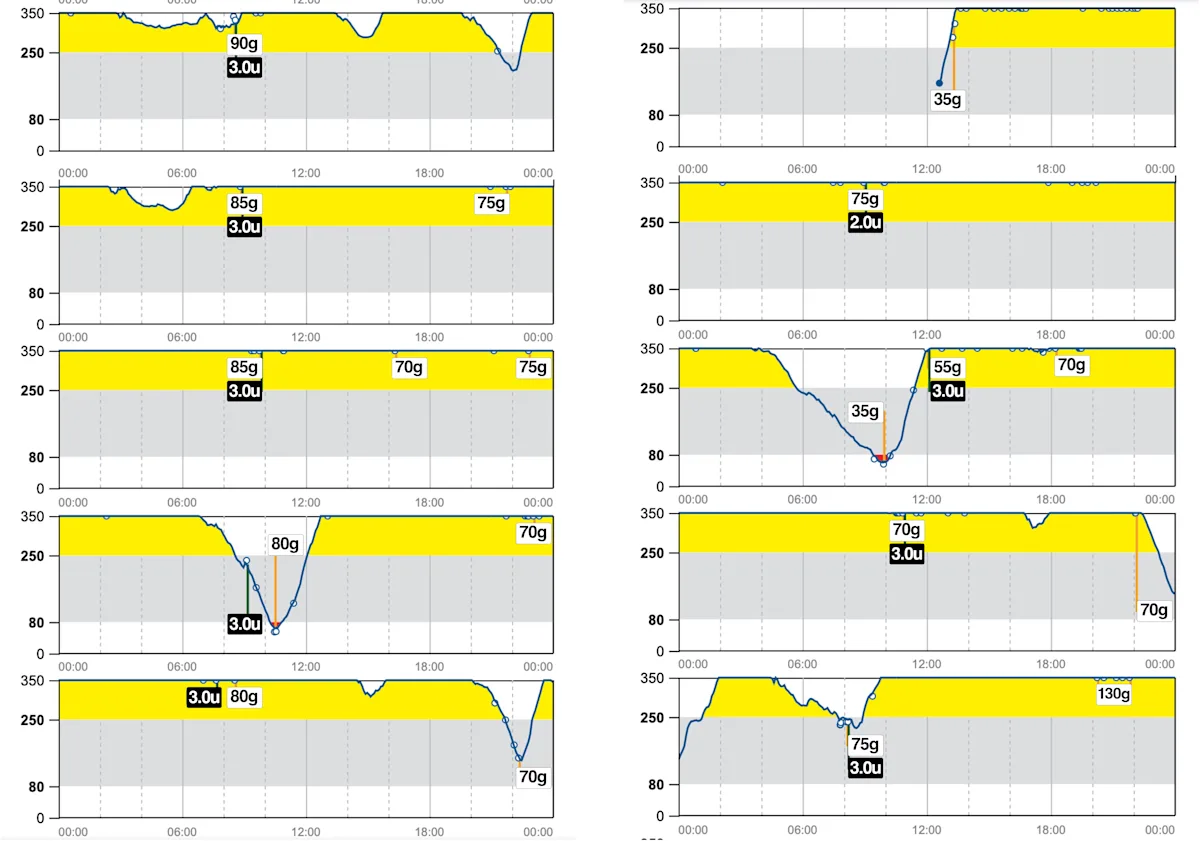
FIGURE 1 Weekly summary report from a CGMS showing sustained hyperglycemia and intraday glycemic variability. The black boxes correspond to insulin administration; the administered insulin units are indicated.
Physical Examination
On physical examination, Pepi was bright, alert, and responsive. Vital parameters were within normal limits. Body temperature was 100.7°F (38.2°C), heart rate was 80 bpm, BCS was 6/9 (reflecting a 15% increase from the body weight recorded 2 months prior), and the haircoat was dry without evidence of alopecia. The remainder of the examination was unremarkable.
Hypothyroidism was considered a possible concurrent condition based on the lethargy, dry haircoat, and weight gain despite suboptimal glycemic control.
Diagnostics
CBC was within normal limits. A 12-hour fasted serum chemistry profile revealed moderately increased cholesterol concentration, creatine kinase activity, and fructosamine concentration (Table 1).
Despite similar glycemic control compared with 2 months prior according to the CGMS (mean glucose concentration, 355 mg/dL vs 346 mg/dL), serum fructosamine concentration increased from 459 µmol/L to 650 µmol/L, suggesting a discrepancy between fructosamine values and actual glycemic control. Urinalysis revealed a urine specific gravity of 1.050, with glucosuria (1000 mg/dL) and an inactive sediment. The urine protein:creatinine ratio was 0.2.
Thyroid hormone testing (Table 2) was supportive of primary hypothyroidism.
Diagnosis: Primary Hypothyroidism in a Dog With Concurrent Diabetes Mellitus
Treatment & Long-Term Management
Treatment of primary hypothyroidism consists of lifelong thyroid hormone replacement with levothyroxine (initially, ≈20 micrograms/kg PO once every 24 hours or 10 micrograms/kg PO every 12 hours, depending on the formulation and clinical preference). In this case, levothyroxine was initiated at 10 micrograms/kg PO every 12 hours. Glucose concentrations were closely monitored with a CGMS to allow timely insulin dose adjustments and reduce the risk for hypoglycemia.
Prognosis & Outcome
Over the following 4 weeks, glucose control improved despite no changes in the insulin dose but remained suboptimal (Figure 2). Insulin was therefore adjusted from every 24 hours to every 12 hours, resulting in further improvement in glucose control (Figure 3).
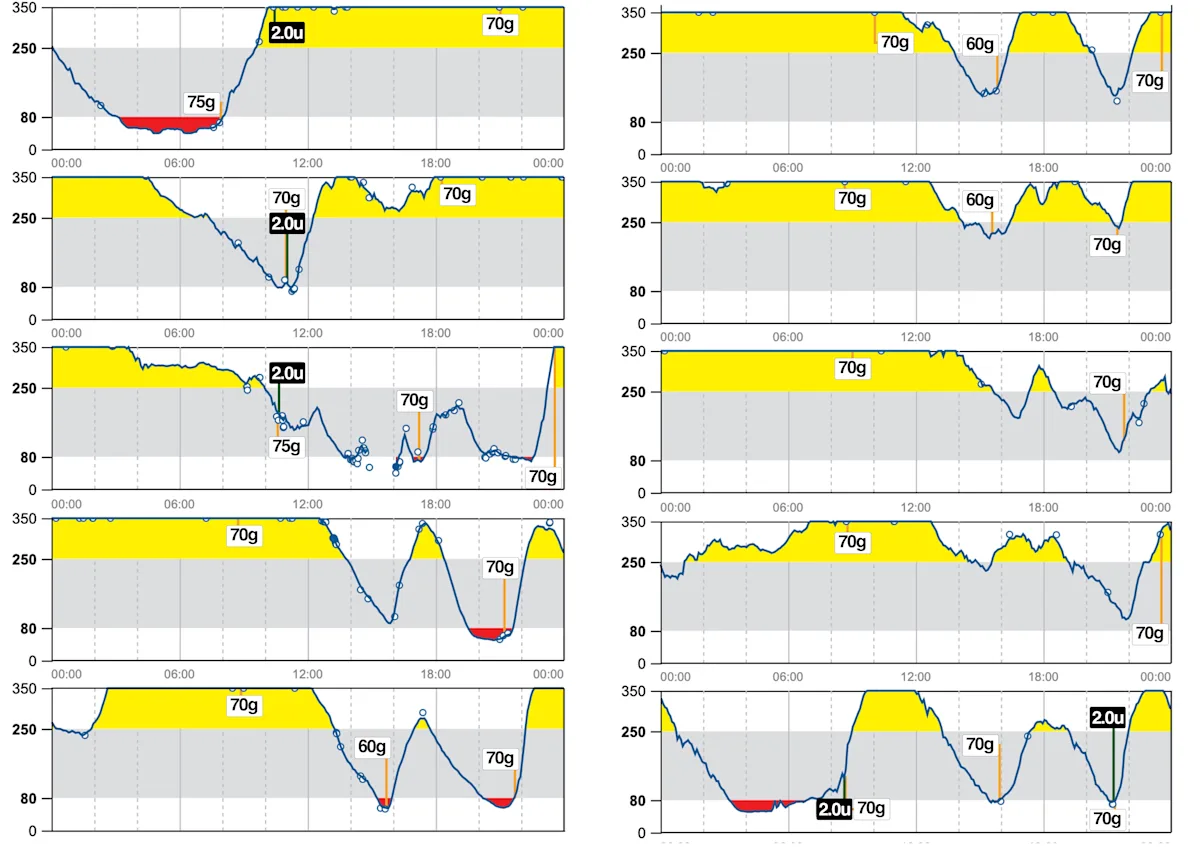
FIGURE 2 Weekly summary report from the CGMS showing sustained hyperglycemia and intraday glycemic variability. The black boxes correspond to insulin administration; the administered insulin units are indicated.
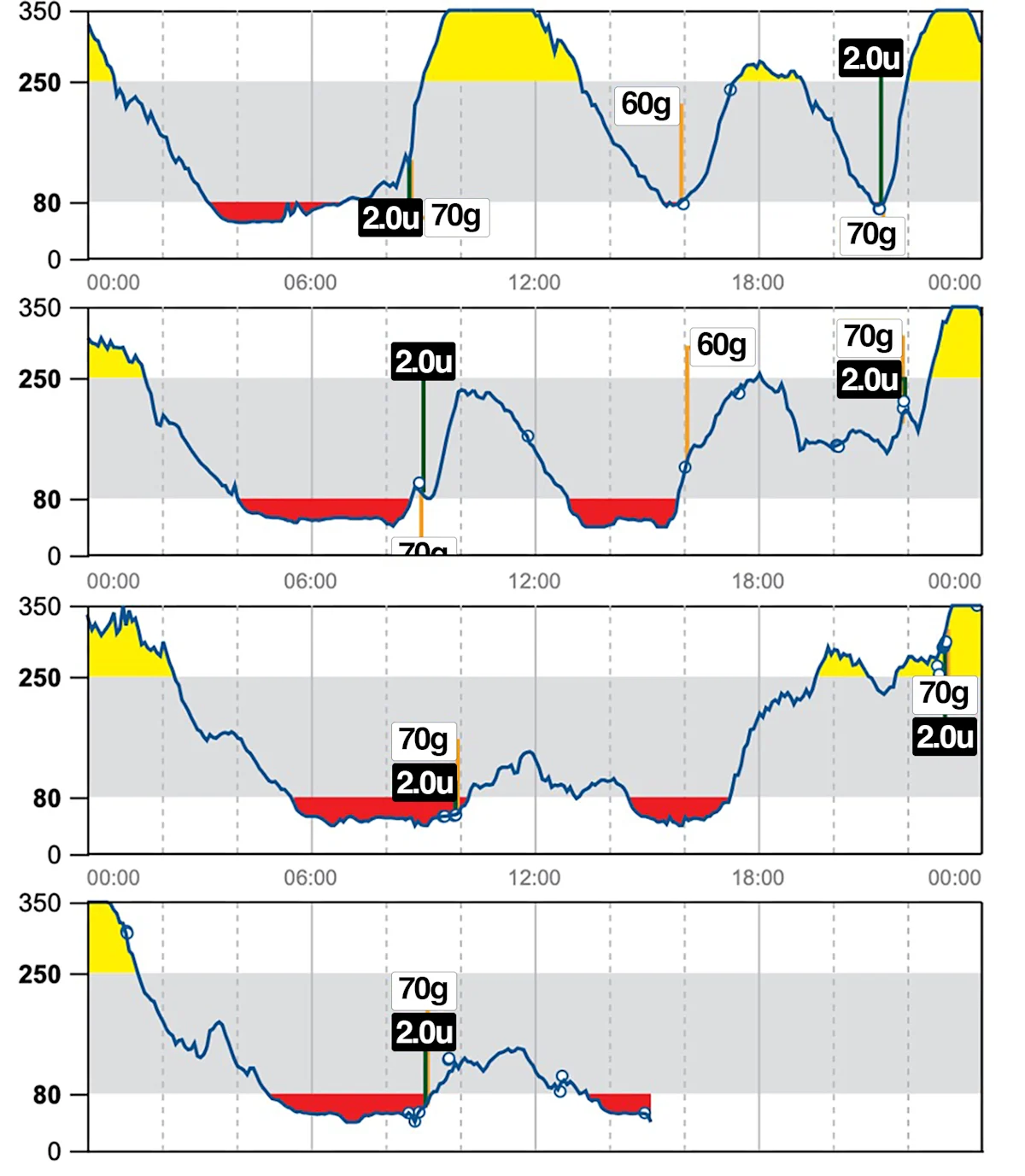
FIGURE 3 Weekly summary report after changing insulin administration from once every 24 hours to once every 12 hours. Overall glucose control improved, although intraday glucose variability remained evident.
One month after initiation of levothyroxine supplementation, overall improvement was reported. On physical examination, Pepi was bright, alert, and responsive. BCS was 6/9, and the haircoat showed noticeable improvement. A serum chemistry profile that included fructosamine measurement and thyroid hormone monitoring (4 hours after levothyroxine administration) was performed (Table 3). Thyroid hormone concentrations were in the upper part of the reference interval (48 nmol/L; reference interval, 13-51 nmol/L), and thyroid-stimulating hormone (TSH) was within normal range (0.23 ng/mL; reference interval, 0.03-0.38 ng/mL), indicating an appropriate levothyroxine dose was being administered. Fructosamine concentration decreased markedly (from 650 µmol/L to 407 µmol/L; reference interval, 222-382 µmol/L).
Discussion
Several conditions may contribute to poor glycemic control in dogs with DM (see Causes of Insulin Resistance That May Result in Instability in Diabetic Dogs).
Causes of Insulin Resistance That May Result in Instability in Diabetic Dogs
Insulin therapy
Inactive insulin
Diluted insulin
Improper administration technique
Inadequate dose
Inadequate frequency of insulin administration
Impaired insulin absorption
Insulin-binding antibodies
Disorders and medications that can cause mild or fluctuating insulin resistance
Obesity
Infection
Chronic inflammation
Chronic pancreatitis
Chronic enteropathy
Diseases of the oral cavity
Chronic kidney disease
Hepatobiliary disease
Cardiac disease
Hyperthyroidism
Pancreatic exocrine insufficiency
Hyperlipidemia
Neoplasia
Glucagonoma
Pheochromocytoma
Disorders that can cause severe insulin resistance
Hyperadrenocorticism (ie, Cushing’s syndrome)
Hypergonadotropism in cats
Diestrus in intact female dogs
Progesterone-secreting adrenocortical tumor
Hypothyroidism in dogs
Glucocorticoids
Progestogens
Hypothyroidism is a recognized comorbidity in dogs with DM; ≈1.5% to 10% of dogs with hypothyroidism have concurrent DM,1,2 whereas hypothyroidism is present in roughly 4% of diabetic dogs.3 The coexistence of these endocrinopathies may, in some cases, reflect a shared immune-mediated etiology similar to polyglandular autoimmune syndromes described in humans.4 Hypothyroidism is commonly suspected based on clinical signs (eg, dermatologic abnormalities, lethargy, bradycardia, weight gain, hypercholesterolemia, mild nonregenerative anemia). Diagnosis can be challenging in dogs with unstable diabetes, as some laboratory abnormalities, including low total thyroxine (T4), may reflect nonthyroidal illness.5 Most dogs with hypothyroidism exhibit low T4 and increased TSH concentrations; however, ≈30% of dogs may not show TSH elevation.5-8 In such cases, additional diagnostic tests, including free T4 by equilibrium dialysis, recombinant human TSH stimulation, or thyroid scintigraphy, may be required to confirm or exclude hypothyroidism. Canine hypothyroidism is commonly associated with marked insulin resistance.9 Insulin sensitivity is reduced, but overall glucose tolerance may initially be maintained through compensatory hyperinsulinemia.10 Insulin resistance is multifactorial and has been linked to increased adiposity, elevated concentrations of leptin, growth hormone, and insulin-like growth factor 1, which impair peripheral glucose uptake.11 Restoration of euthyroidism following levothyroxine supplementation improves insulin sensitivity, often resulting in reduced insulin requirements in diabetic dogs.9
Careful glucose monitoring is essential during the early phase of thyroid hormone therapy. Interpretation of serum fructosamine concentrations in diabetic dogs with hypothyroidism requires particular caution. Fructosamine is formed by nonenzymatic, irreversible binding of glucose to amino groups of plasma proteins, mainly albumin, and its concentration depends on the blood glucose concentration and the half-life of plasma proteins. As such, fructosamine reflects the mean blood glucose concentration over the previous 1 to 2 weeks and is not affected by acute changes in blood glucose concentration that occur with stress or excitement.12 Reduced protein turnover associated with hypothyroidism may lead to falsely elevated fructosamine values, which can underestimate chronic glycemic control.13
In this patient, DM had been diagnosed ≈10 months before hypothyroidism was identified. At the time of hypothyroidism diagnosis, serum fructosamine concentration was 650 µmol/L, which was higher than at the previous recheck 2 months prior despite similar overall glycemic control, as assessed by a CGMS. This discrepancy was most likely attributable to reduced protein turnover associated with the hypothyroid state rather than a true deterioration in glycemic control.11,13 One month after initiation of levothyroxine supplementation, serum fructosamine concentration decreased markedly and glycemic control had improved; therefore, the reduction in fructosamine likely reflected improved glucose regulation and restoration of euthyroidism, with a consequent increase in protein turnover. This finding underscores that fructosamine concentrations in dogs with DM and untreated hypothyroidism likely reflect the combined effects of hyperglycemia and altered protein turnover, rather than glycemic control alone. Reliance on fructosamine alone as an indicator of glycemic status may thus be misleading; continuous glucose monitoring to accurately guide therapy during correction of thyroid hormone deficiency is recommended.
Take-Home Messages
Hypothyroidism is a common comorbidity in dogs with DM and may contribute to insulin resistance.
Insulin resistance in dogs with hypothyroidism is multifactorial, involving increased adiposity, as well as elevated growth hormone and insulin-like growth factor 1 concentrations.8
Serum fructosamine concentrations may be falsely elevated in dogs with untreated hypothyroidism because of reduced protein turnover and may not accurately reflect glycemic control.
Levothyroxine supplementation restores euthyroidism, improves insulin sensitivity, and may reduce insulin requirements.
Insulin administration should be guided primarily by direct glucose monitoring (eg, CGMS) rather than fructosamine alone during thyroid hormone correction.