How to Communicate a Disease Outbreak
Maggie Brown-Bury, DVM, Veterinary Relief Services, Newfoundland and Labrador, Canada

Infectious disease is unavoidable in medicine. A small outbreak can quickly become a large source of fear and panic for clients as information and disinformation spread rapidly. These steps can help your clinic become a trusted source of information for clients and the community.
Communication is Key
Being the first to know when a disease is diagnosed can be an advantage. Spread facts to combat misinformation. If a case of infectious disease is encountered in the clinic, creating simple, short social media posts to remind the public about the disease, who is most at risk, and how to prevent it can help spread the right information and reduce panic. During a major outbreak, clinics may not be able to keep up with the volume of phone calls. Creating a social media post with information regarding the disease (Figure)can help proactively spread information clients need to know.
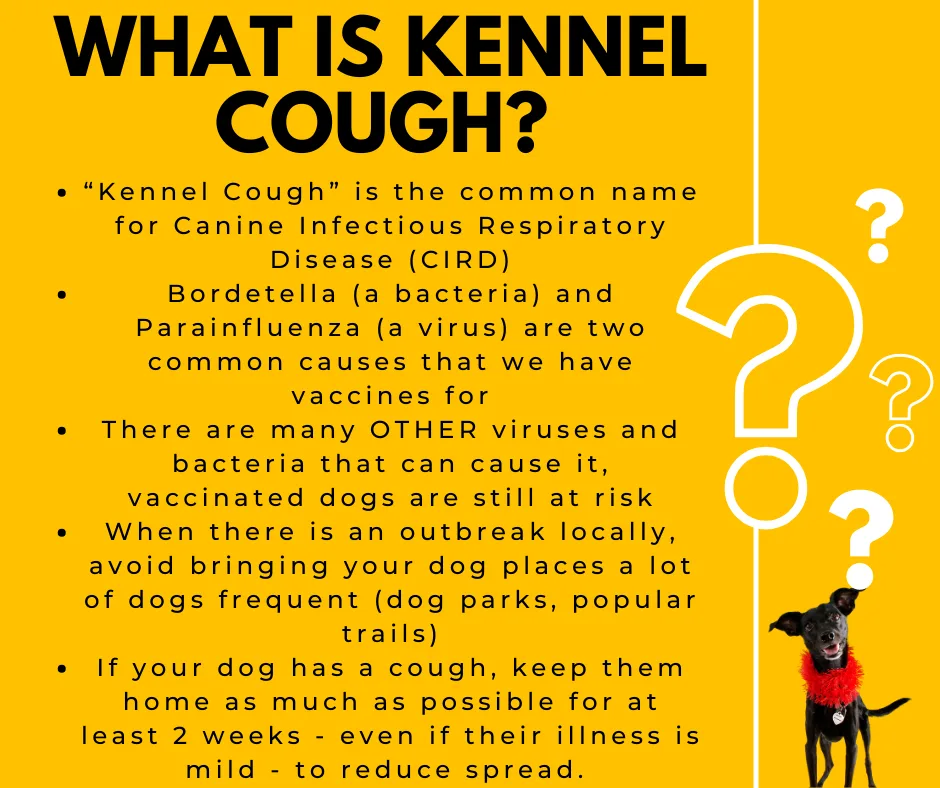
FIGURE An example of a social media post
Clients will likely ask for clarity around pet health; team members should be empowered to educate clients and answer questions. Clients should be informed the outbreak is being taken seriously. Promote changes made to reduce risk to patients, and emphasize the why behind these changes.
What If the Outbreak Is Sensationalized by the Media?
Be willing to be an expert voice to help temper the impact of the story. When pet health is involved, journalists want to talk to veterinarians. For example, a rescue in my area lost several puppies to parvovirus. A journalist reached out for a veterinarian’s input. I agreed and was able to provide practical information that was included in the coverage.
What If Transmission Is Traced Back to Your Clinic?
If there is reason to suspect patients have been exposed, be honest, transparent, and direct. Affected clients should be prioritized and contacted individually, even if the risk for exposure is low. These conversations are likely to be better received coming directly from the clinic, before the information is public. Once the community has been alerted to the disease, the clinic can indicate those exposed have already been contacted, helping reduce rumors and prevent panic.
Dealing With Possible Backlash
Even after doing everything right, negative responses are possible, especially if an outbreak occurred at your clinic. To maintain trust and credibility, publicly acknowledge and address the situation. Gaps in policy that contributed to the spread should be identified, and steps taken to prevent further spread should be outlined. Blame should not be laid on clients.
That might sound like: You may have heard there is a rise in cases of ____ in our community. When this happens, areas frequented by many dogs, including a veterinary clinic, may present risk for your pet. We have identified some cases that originated at our clinic and determined what was missing in our protocols. Moving forward, we will implement the following to reduce risk as much as possible…
If clients inquire about the cost of care for patients affected by the outbreak, the risk for expensive complications should be acknowledged and the conversation redirected to the importance of taking precautions to prevent spread. Never apologize for the cost of care; instead focus on how clinics and clients can work together to prevent the need for that level of care.
That might sound like: Some pets exposed to canine influenza can have serious complications that result in significant medical bills. We want to work with you to ensure this doesn’t happen. Signs your pet is at risk for exposure include exposure to groups of dogs in places like daycare, dog parks, or pet stores. You can reduce the risk by discussing vaccine recommendations with your vet, verifying that group settings require and check vaccine status, paying attention when diseases are more prevalent (and considering avoiding those settings), and keeping your dog home if it is not feeling well or coughing.
Conclusion
Clear and concise messaging that provides actionable information is the best tool against rising panic. Negative public response often stems from fear; thus, providing information on how to keep pets safe and reminding clients that your interests of safety and healthy pets are aligned are important.