Research Note: Contact Time for Topical Chlorhexidine/Ophytrium Products in Dogs
Source
McHale M, Bettenay S, Paterson GK, Nuttall T, Robinson V. Evaluation of the antimicrobial activity of a 3% chlorhexidine/ophytrium mousse and shampoo in 18 healthy dogs. Vet Dermatol. 2026;37(3):345-352. doi:10.1111/vde.70057
Research Note
Topical antimicrobials are recommended as first-line treatment for superficial pyoderma and can improve clinical outcomes and support antimicrobial stewardship.1 A contact time of 10 minutes is typically recommended for shampoos, but this may be arbitrary. Reducing contact time could improve client compliance but may also reduce efficacy.
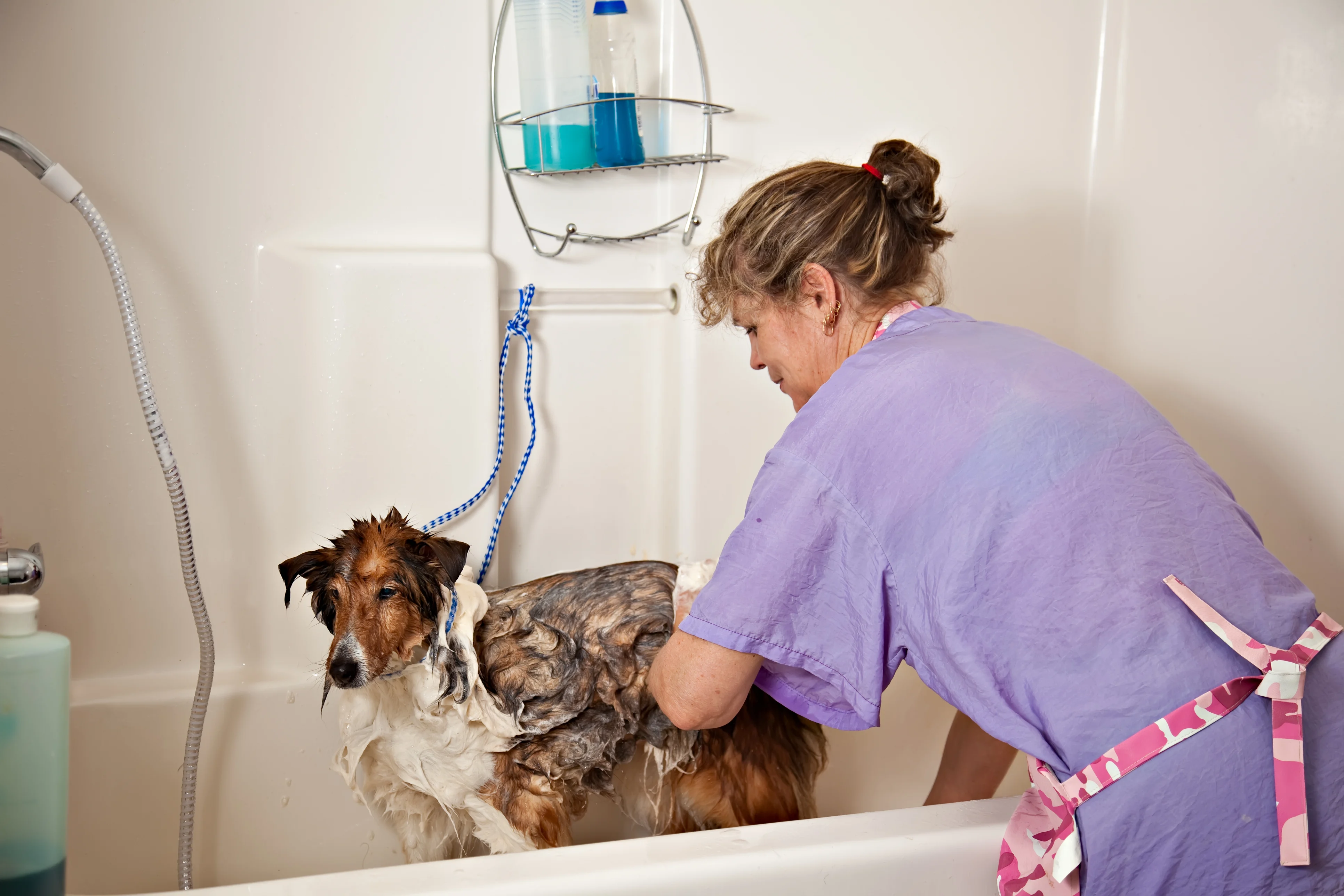
This prospective study evaluated a modified version of an established in vitro protocol for topical therapy and included healthy client-owned dogs (n = 18). Nine dogs were bathed once with a 3% chlorhexidine/ophytrium shampoo, with separate regions of the dog having contact times of 3, 5, or 10 minutes and hair samples collected after rinsing. Eight dogs had a 3% chlorhexidine/ophytrium mousse applied to the skin without rinsing, with hair samples collected on days 0, 2, 4, 7, and 14. One dog underwent both treatments.
Hair samples were incubated on agar plates inoculated with methicillin-susceptible and methicillin-resistant Staphylococcus pseudintermedius, Escherichia coli, extended-spectrum beta-lactamase–producing E coli, Pseudomonas aeruginosa, and Malassezia pachydermatis. Zones of inhibition were measured after 24 hours (bacteria) and 48 hours (M pachydermatis).
In the shampoo-treated group, no significant differences in antimicrobial activity among the contact times for any of the isolates were noted. In the mousse-treated group, significant growth inhibition was seen compared with negative controls on days 0, 2, and 4 for all isolates.
The authors concluded that a 3-minute contact time for 3% chlorhexidine/ophytrium-containing shampoos and twice-weekly application of 3% chlorhexidine/ophytrium-containing mousse may be as effective as more intensive topical treatment regimens for cutaneous dysbiosis or pyoderma, methicillin-susceptible and methicillin-resistant S pseudintermedius, E coli, extended-spectrum beta-lactamase–producing E coli, P aeruginosa, and M pachydermatis.
You are reading Research Notes, a research summary resource presented by Clinician's Brief. Clinician's Brief does not conduct primary research.