Immune‐Mediated Polyarthritis Relapse in Dogs
Fergus Allerton, BVSc, CertSAM, DECVIM-CA, FRCVS, Willows Veterinary Centre & Referral Service, West Midlands, England
In the Literature
Pichard D, Robin T, Le Boedec K, et al. Descriptive analysis and factors associated with relapse in dogs with presumptive idiopathic immune-mediated polyarthritis. J Vet Intern Med. 2025;39(5):e70241. doi:10.1111/jvim.70241
The Research …
Primary (ie, nonassociative) immune‐mediated polyarthritis (IMPA), an inflammatory disease that affects multiple joints, is typically managed with immunosuppressive therapy.1,2 Although remission rates are generally good (56%-95%), relapse occurs in 20% to 53% of cases.3-6
This retrospective, multicenter study reported outcomes in dogs diagnosed with primary IMPA (n = 119) and identified clinical or paraclinical factors that may be predictive of relapse. Of 114 dogs, 87 (76.3%) were managed with corticosteroid monotherapy; 27 (23.7%) were administered an additional immunosuppressant within the first week after diagnosis. Of all dogs, 114 (95.8%) achieved partial (32; 28.1%) or complete (82; 71.9%) remission.
Of 85 dogs for which follow-up data were available, 36 (42.3%) relapsed at least once, with repeated relapses described in 7 (19.4%) of those dogs. Relapses occurred at a median interval of 6.5 months after remission, with only 2 (6%) dogs with repeated relapses not receiving any medication at the time of relapse. Nearly all relapses were recorded within the first 12 months after achieving remission, as also demonstrated in previous studies.5,6
Three factors were independently associated with a shorter time to relapse. The presence of thrombocytosis, peripheral lymphadenomegaly, or lameness at initial diagnosis had adjusted hazard ratios of 5.5, 4, and 3.9, respectively.
… The Takeaways
Key pearls to put into practice:
Response rates to immunosuppressive therapy for treatment of primary IMPA are consistently high; however, possibility for relapse while medication is tapered is common, and caution is warranted.
In this study, relapse rates were 61.4% at 12 months and only slightly increased (64.5%) at 24 months, suggesting relapses may be less likely to occur >1 year after remission is achieved. Close supervision is thus warranted during the first year following diagnosis.
Dogs with thrombocytosis, peripheral lymphadenomegaly, or lameness at initial diagnosis may have an increased risk for relapse. Putative mechanisms for these risk factors include a heightened inflammatory state (thrombocytosis has been associated with increased interleukin-6 levels in humans7,8) or more severe joint inflammation, causing overt lameness and reactive lymph node enlargement.
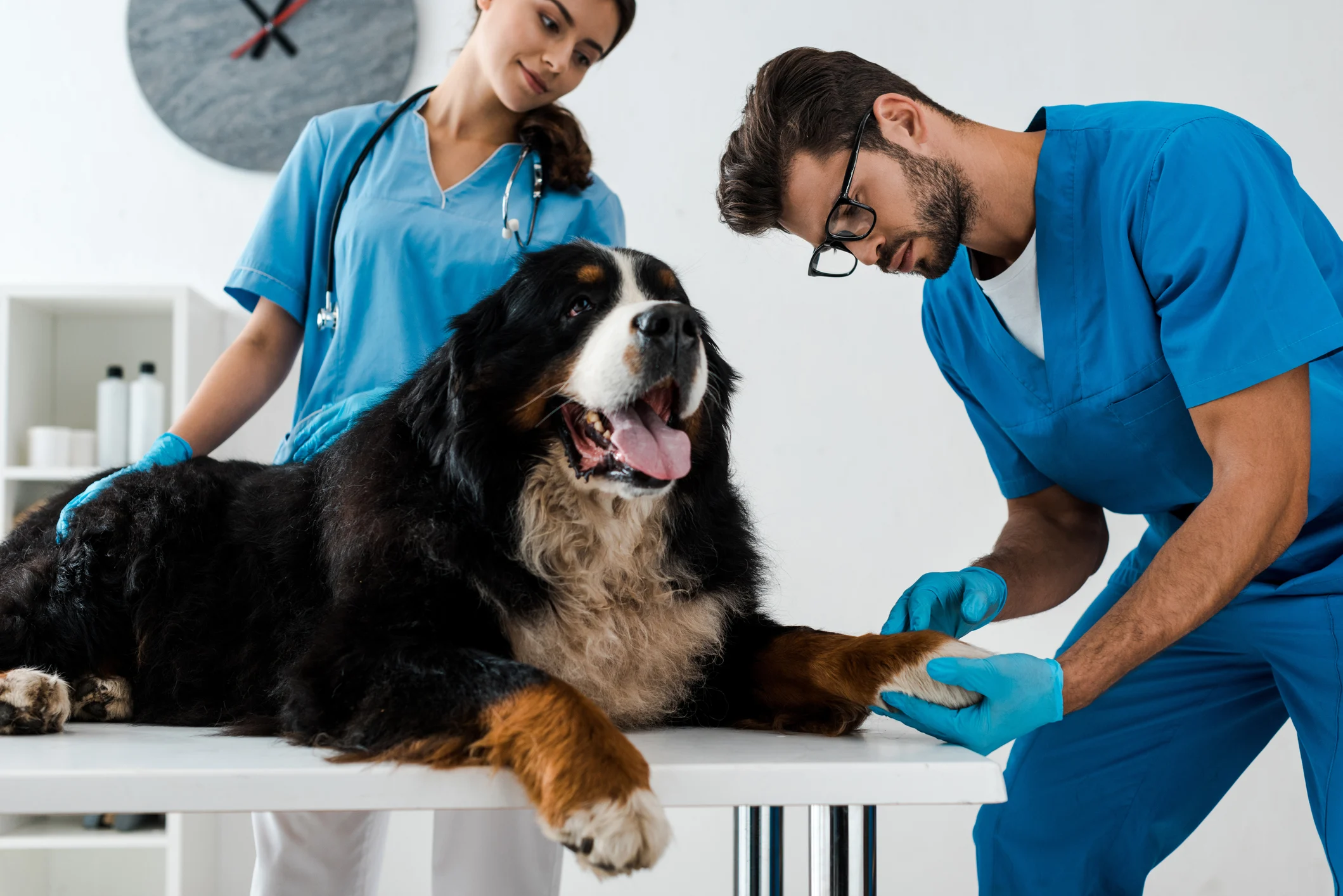
Bernese mountain dogs represented 12.6% of the IMPA cases but only comprised 0.78% of the dogs seen at the included institutions during the time of the study, suggesting this breed may have a predisposition for primary IMPA.
You are reading 2-Minute Takeaways, a research summary resource presented by Clinician’s Brief. Clinician’s Brief does not conduct primary research.