Research Note: Serum Fructosamine & Interstitial Glucose Concentrations in Diabetic Cats
Source
Tobin S, Mott J, Gilor C. Evaluating the correlation between serum fructosamine concentration and interstitial glucose concentration in cats with diabetes mellitus. J Vet Intern Med. 2026;40(3):aalag104. doi:10.1093/jvimsj/aalag104
Research Note
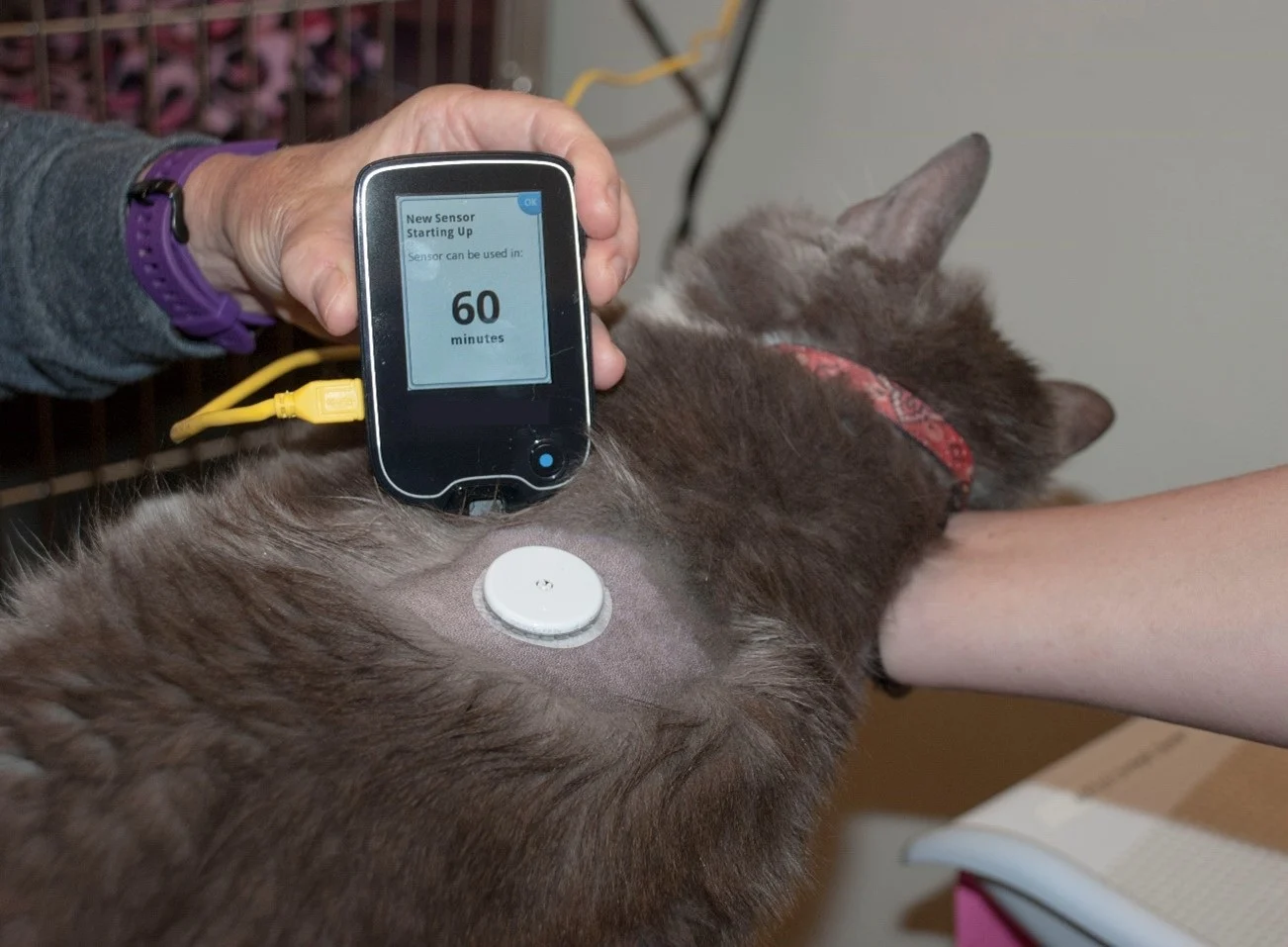
Continuous interstitial glucose measurement is a useful surrogate for monitoring glucose trends and average blood glucose over time. For some diabetic cats, however, continuous glucose monitoring (CGM) is not practical due to poor tolerance of the device by the cat, client-related barriers (eg, technological limitations, cost), or lack of accessibility. Serum fructosamine is an alternative method for assessing glycemic control and has been shown to approximate the average glycemic status of the past 7 to 10 days in cats.1,2
This studya sought to determine the correlation between serum fructosamine concentration and mean interstitial glucose in cats. Client-owned cats (n = 12) with poorly regulated diabetes mellitus were administered U-300 insulin glargine (1-2 units SC every 24 hours) and monitored using CGM and serum fructosamine measurements for 6 to 12 weeks.
Insulin doses were titrated based on daily review of CGM data and clinical signs (eg, appetite, polyuria/polydipsia). Interstitial glucose monitors were applied and left in place for up to 14 days; serum fructosamine was measured at enrollment, after 3 to 6 weeks, and in some cats, after 9 to 12 weeks. A strong correlation was found between serum fructosamine and 72-hour mean interstitial glucose; however, when serum fructosamine was categorized based on the reference laboratory’s interpretive guidelines, there was substantial overlap between levels of glycemia, suggesting serum fructosamine lacks the precision needed to accurately categorize intermediate levels of glycemic control in diabetic cats due to substantial overlap across reference intervals.
The authors concluded that serum fructosamine can be a viable alternative for monitoring short-term (ie, 7-10 days) changes in glycemia in diabetic cats when CGM is not an option; however, the value of serum fructosamine measurement in assessing absolute glycemic levels is limited and may be misleading for more recent or subtle changes in glycemia.
a This study was funded by Merck Animal Health.
You are reading Research Notes, a research summary resource presented by Clinician's Brief. Clinician's Brief does not conduct primary research.